How Does Imitated Silk Fabric Compare to Real Silk?
 2025.12.18
 Industry news
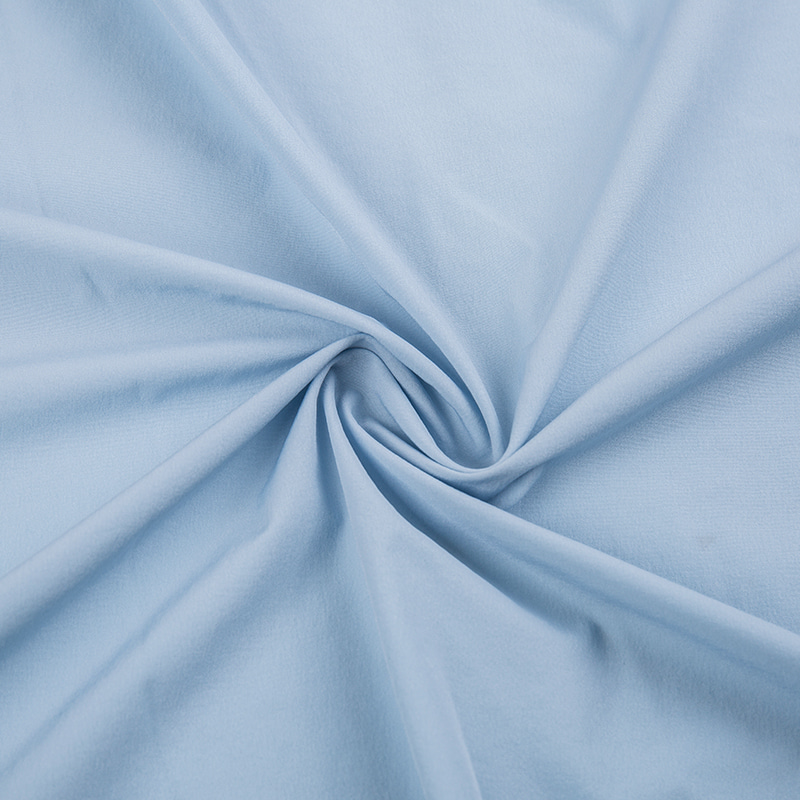
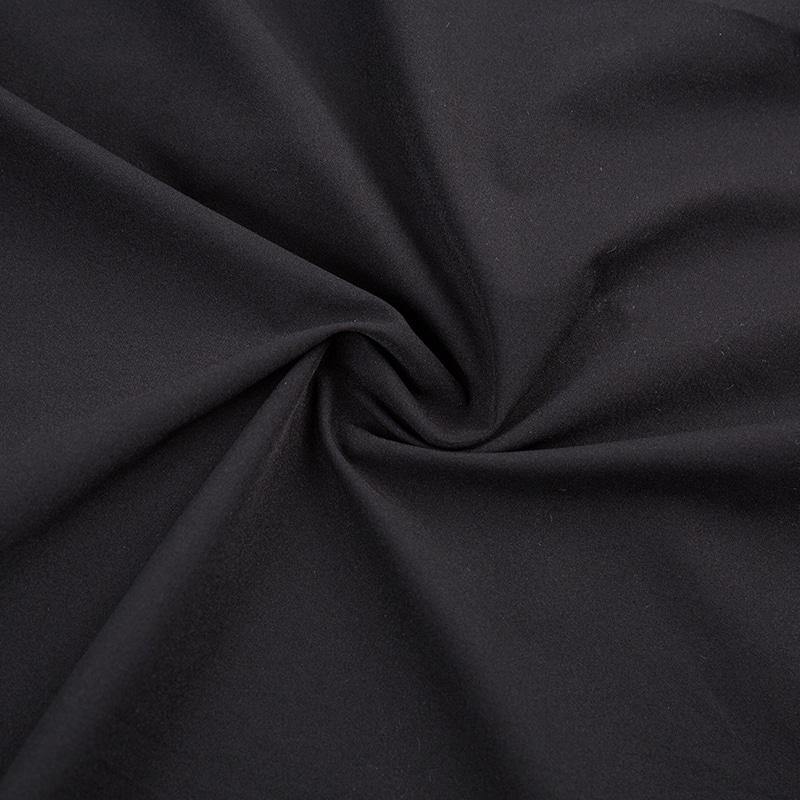
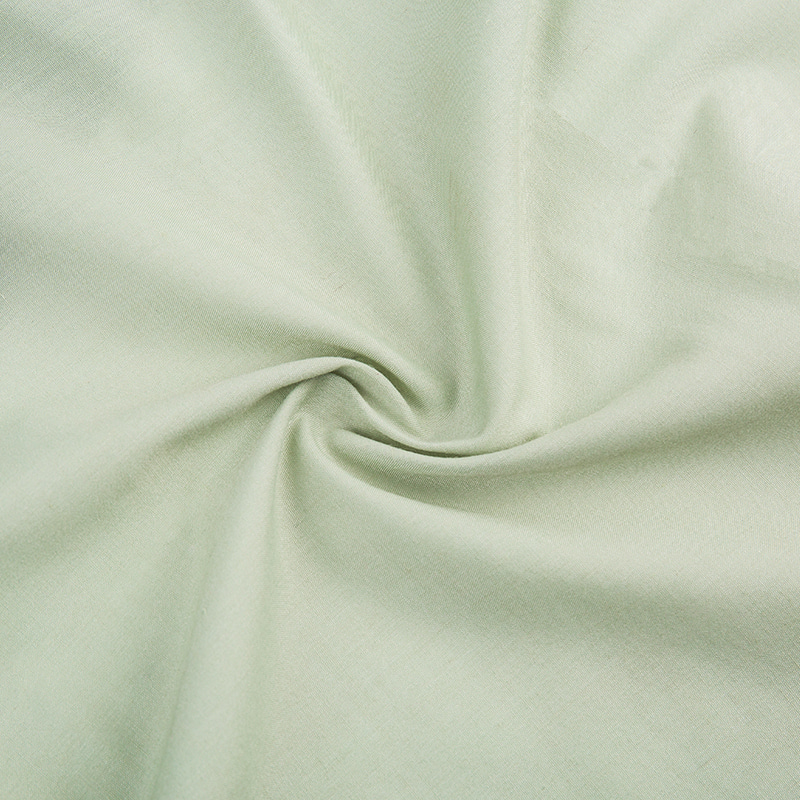
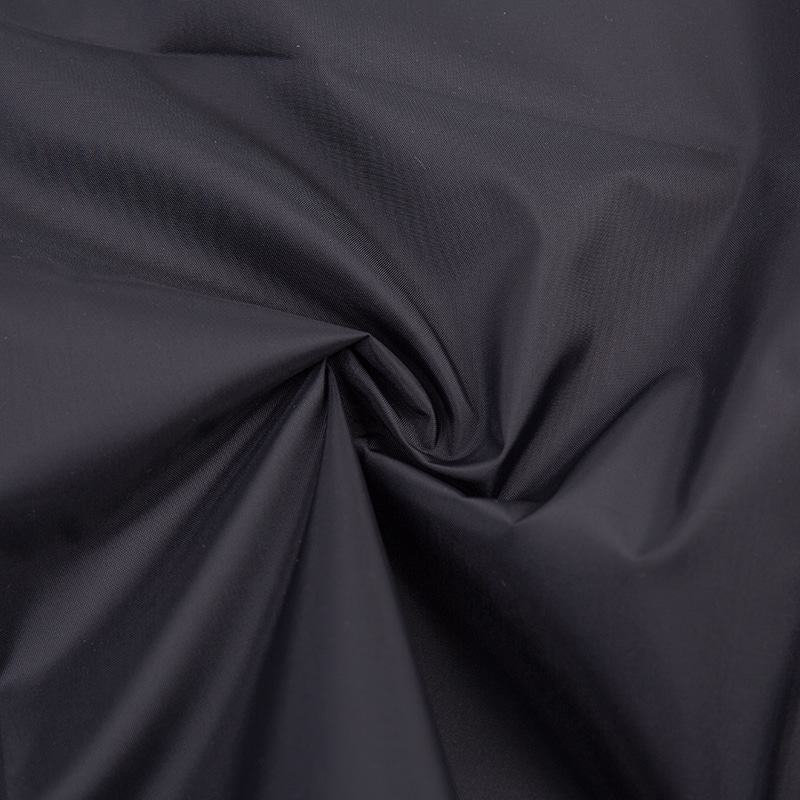
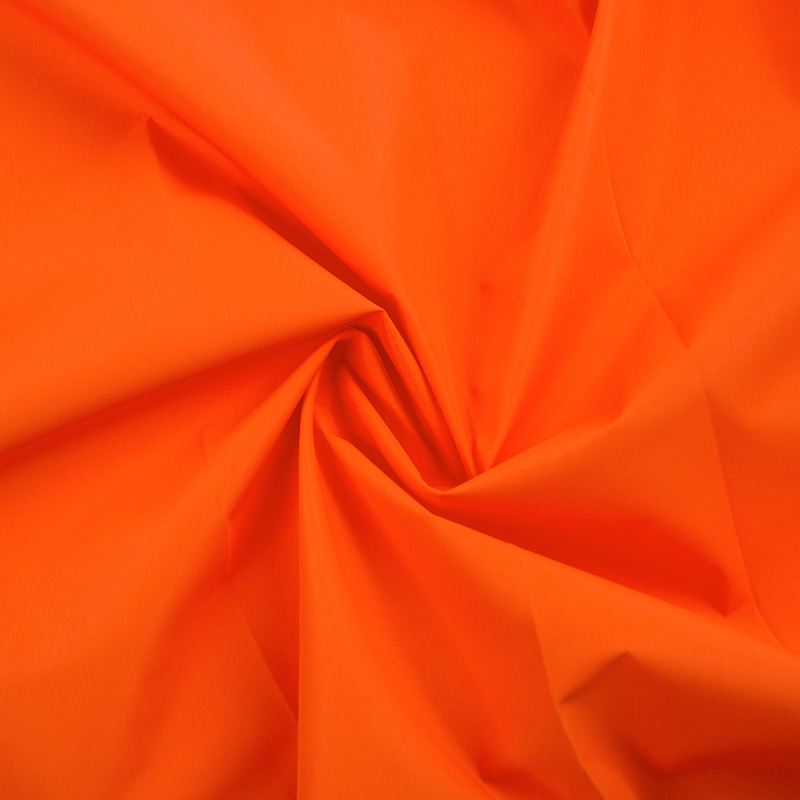
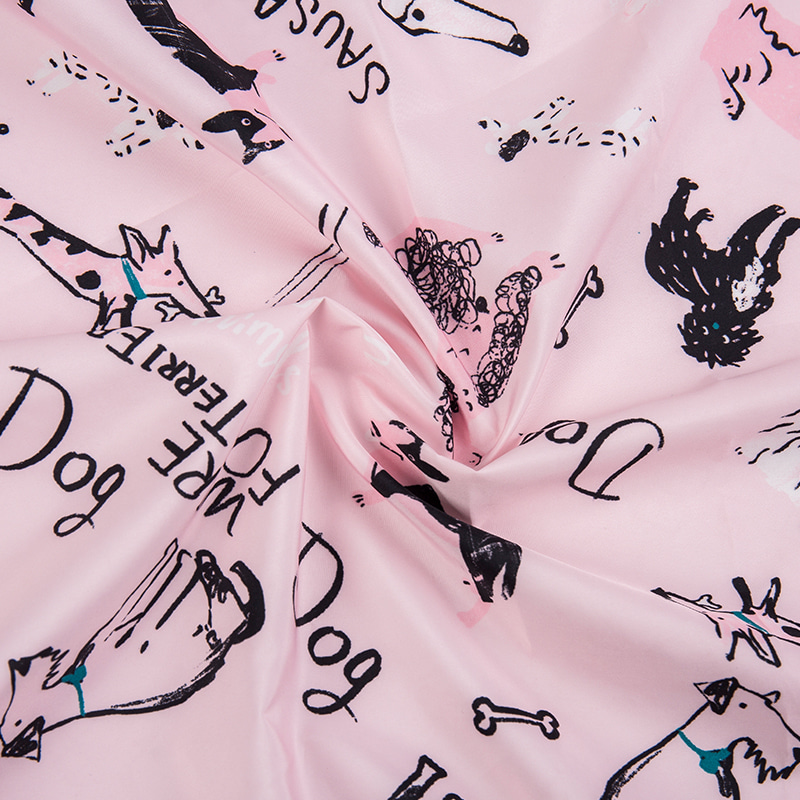
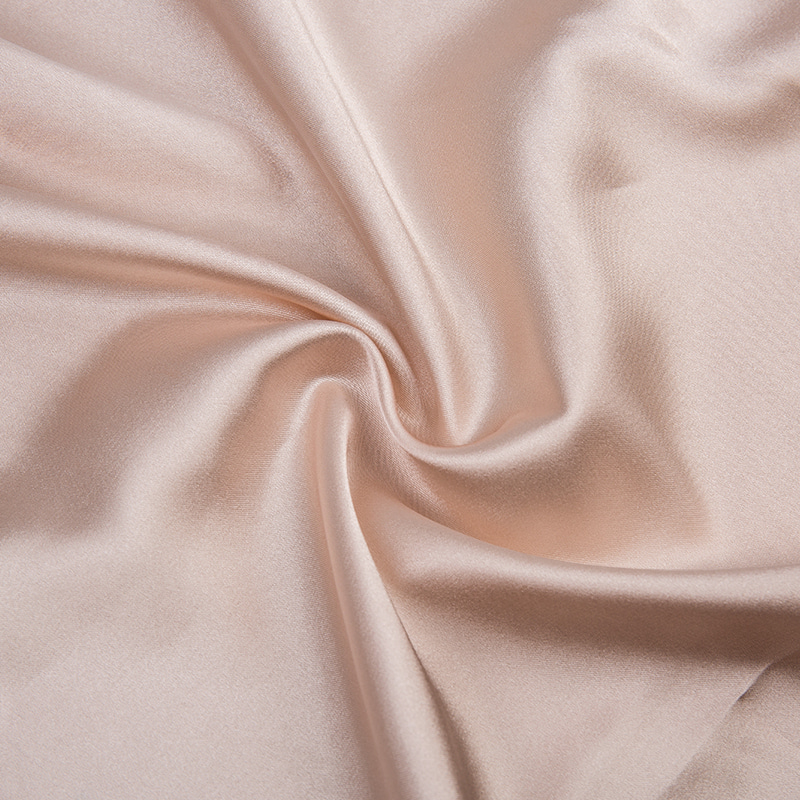
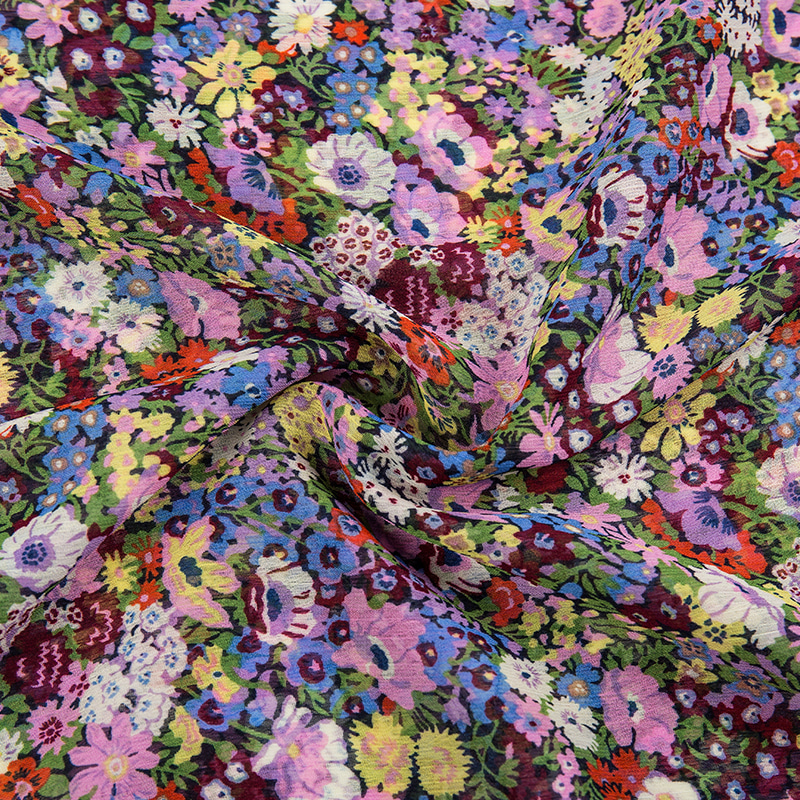
Imitated silk fabric, also known as faux silk or synthetic silk, has become a popular alternative to real silk due to its cost-effectiveness, ease of maintenance, and versatility. As its name suggests, it mimics the appearance and texture of real silk but is made from synthetic materials rather than natural silk fibers.
Imitated silk fabric is typically made from synthetic fibers like polyester, nylon, or rayon. These fibers are designed to replicate the softness and smoothness of natural silk, offering a similar aesthetic at a fraction of the price. Imitated silk fabric is used in a wide range of products, from clothing to home décor items. It is often chosen for its affordability and versatility, especially for applications where real silk would be too expensive or impractical.
Real silk, on the other hand, is a natural fiber produced by silkworms. The process of obtaining silk is labor-intensive, which contributes to its high cost. Unlike imitated silk, real silk is biodegradable and has unique properties that make it highly desirable for luxury garments, accessories, and home textiles.
One of the noticeable differences between imitated silk fabric and real silk is the feel of the fabric. Real silk has a luxurious, soft, and smooth texture that is difficult to replicate. Its fibers have a natural ability to reflect light, creating a radiant, glossy finish. While imitated silk fabric can mimic the appearance of real silk, it often lacks the same tactile softness. Synthetic fibers may feel slightly stiffer or less fluid than natural silk, though advances in technology have made high-quality imitated silk fabric very similar to real silk in terms of texture.
| Feature | Imitated Silk Fabric | Real Silk |
|---|---|---|
| Softness | Smooth, but less soft | Ultra-soft and smooth |
| Texture | Slightly stiff | Luxuriously soft and smooth |
| Sheen | Glossy | Natural, radiant sheen |
Durability is another important factor when comparing imitated silk fabric to real silk. Real silk, while beautiful and delicate, is prone to wear and tear. It can be damaged by exposure to sunlight, sweat, and harsh chemicals. Over time, it can lose its sheen and become fragile. On the other hand, imitated silk fabric is more durable and resistant to damage from the elements. Its synthetic fibers make it less prone to fading, fraying, or tearing, making it ideal for everyday wear and use.
Real silk is considered a luxury fabric, and its high cost reflects the time-consuming process of harvesting silkworms and spinning the fibers. Additionally, real silk’s unique properties—such as its shine, feel, and breathability—make it a sought-after material for high-end fashion and home textiles. However, the high price of real silk often puts it out of reach for many consumers.
Imitated silk fabric provides a more budget-friendly alternative. By using synthetic fibers, manufacturers can create a fabric that looks and feels similar to real silk but at a significantly lower price point. This makes imitated silk fabric a popular choice for mass-produced garments, home textiles, and other products where cost is a key consideration.
| Aspect | Imitated Silk Fabric | Real Silk |
|---|---|---|
| Cost | Affordable | Expensive |
| Availability | Widely available | Limited, high-end markets |
| Production Time | Shorter production time | Labor-intensive process |
Real silk requires delicate care. It is often recommended to dry clean real silk garments to preserve their quality and appearance. It is sensitive to water, detergents, and sunlight, and improper care can cause it to lose its luster or become damaged.
Imitated silk fabric, by contrast, is much easier to maintain. It can typically be machine-washed and is less prone to wrinkling or fading. The durability of synthetic fibers makes imitated silk fabric more suitable for everyday use, especially in clothing and textiles that require frequent washing.
Both imitated silk and real silk have a range of applications, but their use often depends on the desired effect and budget. Real silk is typically used in luxury items such as bridal gowns, high-end lingerie, and silk bedding. Its aesthetic appeal, luxurious feel, and lightweight properties make it ideal for these applications.
Imitated silk fabric, on the other hand, is used in mass-market clothing, curtains, bedding, and accessories. It provides a similar look and feel to real silk at a more affordable price, making it a versatile fabric choice for a wide range of applications.
1. Is imitated silk fabric as good as real silk?
Imitated silk fabric can closely resemble real silk in appearance and feel, but it does not match the natural softness and breathability of real silk. It is a more durable and affordable alternative.
2. Can imitated silk fabric be machine-washed?
Yes, imitated silk fabric is generally more durable and can be machine-washed, whereas real silk requires more delicate care, often needing dry cleaning.
3. Is real silk worth the higher cost?
Real silk offers unmatched luxury, softness, and sheen. For high-end garments and luxury bedding, real silk is considered worthwhile despite its higher cost.
4. How long does imitated silk fabric last?
Imitated silk fabric tends to last longer than real silk due to its durability and resistance to damage. Proper care can extend the lifespan of both materials.

Canxing Textile Building, No.458Dongxin Road, Shengze Town, Wujiang District, Suzhou City, Jiangsu Province, China

+86-18816291909

+86-512-63620515

Crystal@canxingtex.com

Copyright © Wujiang Canxing Textile Co,.Ltd. Rights Reserved. Custom Elastic Woven Fabrics Manufacturers
Privacy 苏公网安备32050902101422



 English
 русский
 中文简体
中文简体 عربى
عربى