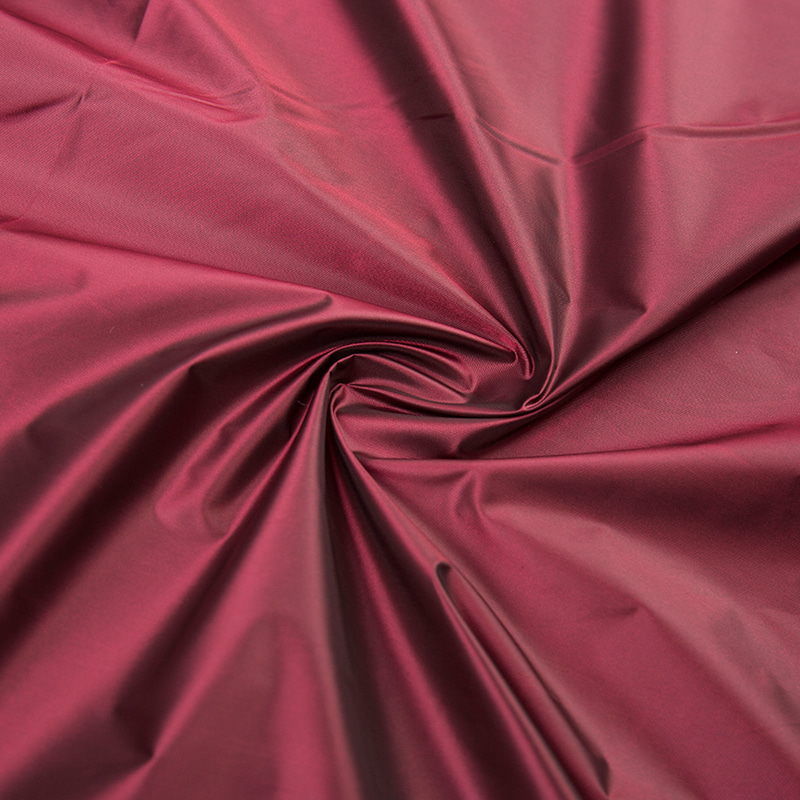
Custom High-density Nylon Fabric
What Is Polyester Four-Way Stretch Fabric and Why Does It Matter for Wholesale Buyers? Polyester four-way stretch fabric is a performance textile engineered to stretch and recover in both the lengthw...
View MoreWhat Is Microfiber Nylon Fabric and Why Does It Outperform Conventional Textiles? Microfiber nylon fabric is a woven or knit textile constructed from filaments finer than 1 denier per filament, typic...
View MoreIntroduction: Defining Polyester Four-Way Stretch Fabric Polyester four-way stretch fabric represents a significant advancement in textile engineering, combining 82% polyester with 18% spandex to del...
View MoreHigh-density nylon fabrics are widely used in many fields due to their excellent strength, abrasion resistance and tear resistance. The main application areas include:
Outdoor equipment: such as tents, backpacks, sleeping bags, mountaineering clothes, etc., because high-density nylon fabrics can withstand wear and tear in harsh environments.
Sportswear: High-density nylon fabrics are used to make running clothes, ski clothes, cycling clothes, etc., because they are light, durable and have good breathability.
Luggage and travel bags: The wear and pressure resistance of this fabric makes it an ideal choice for luggage and travel bags.
Protective clothing: In some areas that require extra protection, such as military and police uniforms or work clothes, high-density nylon fabrics can provide extra durability and protection.
Home furnishings: Such as sofa covers, curtains, carpets, etc., the durability and stain resistance of high-density nylon fabrics make it a common material for home furnishings.
What factors affect the color fastness and gloss of high-density nylon fabrics?
The color fastness and gloss of high-density nylon fabrics are affected by a variety of factors, mainly including:
Dyes and dyeing processes: Different types of dyes and dyeing processes affect the depth and stability of the color. Choosing high-quality dyes and appropriate dyeing processes can improve color fastness and uniformity.
Fabric treatment and coating: Fabrics may undergo different chemical treatments and coatings during the production process, such as waterproofing or anti-ultraviolet treatment, which may affect the color and gloss of the fabric.
Washing and maintenance: The washing method and maintenance method of the fabric during use can also affect the color fastness. For example, excessive washing or using improper detergents may cause color fading or loss of gloss.
Exposure to environmental factors: Environmental factors such as sunlight, humidity, and temperature changes may affect the color and gloss of the fabric. Ultraviolet rays can cause color fading, and humidity and temperature changes may affect the gloss of the fabric.
Fabric raw materials and weaving process: The quality of nylon fibers and the weaving process can affect the gloss and color presentation of the fabric. For example, certain weaving methods may give the fabric a smoother surface, thereby enhancing the sheen.

Canxing Textile Building, No.458Dongxin Road, Shengze Town, Wujiang District, Suzhou City, Jiangsu Province, China

+86-18816291909

+86-512-63620515

Crystal@canxingtex.com

Copyright © Wujiang Canxing Textile Co,.Ltd. Rights Reserved. China Custom High-density Nylon Fabric Suppliers
Privacy 苏公网安备32050902101422



 English
 русский
 中文简体
中文简体 عربى
عربى