What Makes Polyester-spandex Beach Pants Fabric the Preferred Choice for Performance Beachwear?
 Home / News / Industry news / What Makes Polyester-spandex Beach Pants Fabric the Preferred Choice for Performance Beachwear?
  2026.10.16
 Industry news
Beachwear has moved far beyond simple cotton shorts. Today, consumers expect beach pants that dry fast, resist wrinkles, hold their shape after repeated washing, and still feel soft against the skin. For apparel brands, garment factories, and fabric wholesalers, the challenge is finding a material that balances performance, comfort, and cost efficiency. That material is polyester-spandex beach pants fabric.
This fabric is not a generic polyester. It is an engineered blend that combines the strength and quick-drying nature of polyester with the elasticity of spandex. The result is a woven material that moves with the body, resists deformation, and performs well in saltwater, sand, and intense sunlight. Typical specifications include a yarn count of 70D plus 40D by 70D plus 40D plus 100D, with a weight range of 160 to 175 gsm. These parameters are not arbitrary. They directly influence drape, durability, and the final fit of beach shorts and pants.
This guide examines the technical characteristics of polyester-spandex beach pants fabric, compares it with alternative materials, outlines sourcing criteria, and answers common procurement questions. Whether you are developing a new swimwear line or sourcing for a large retail order, the information here will help you make informed decisions and request accurate quotations.
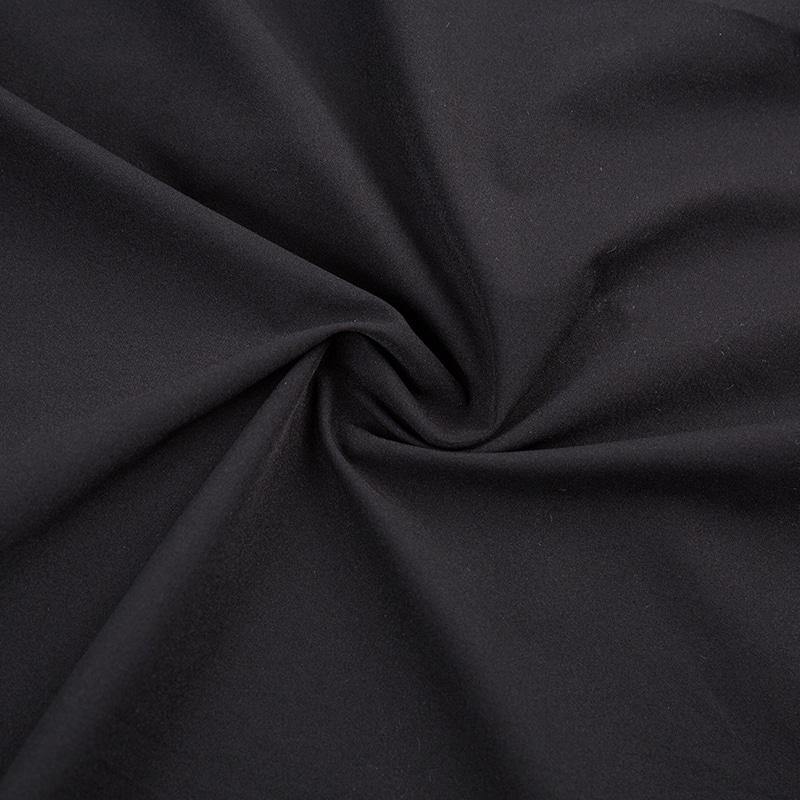
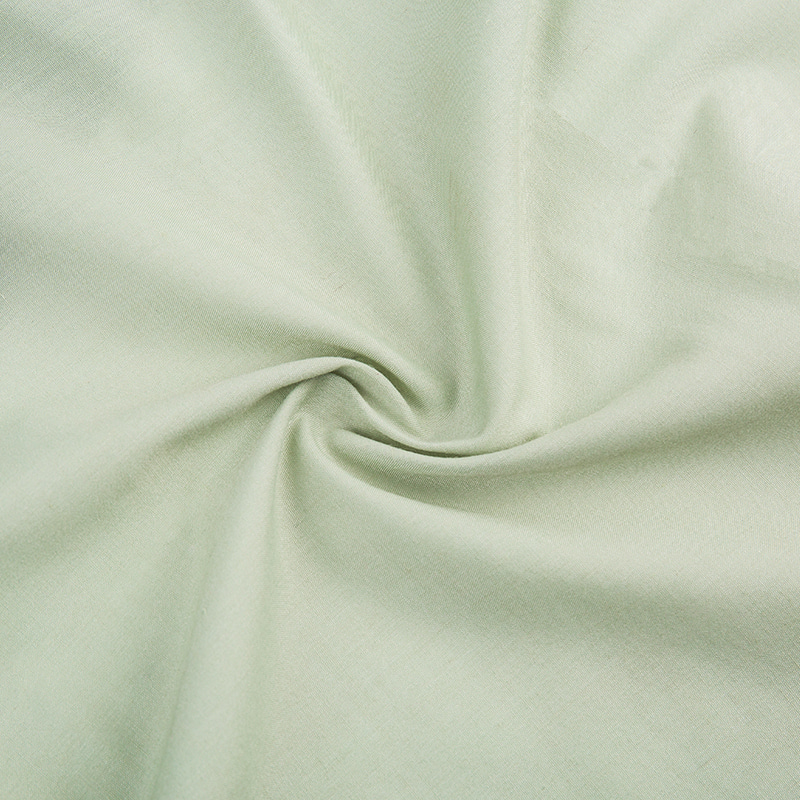
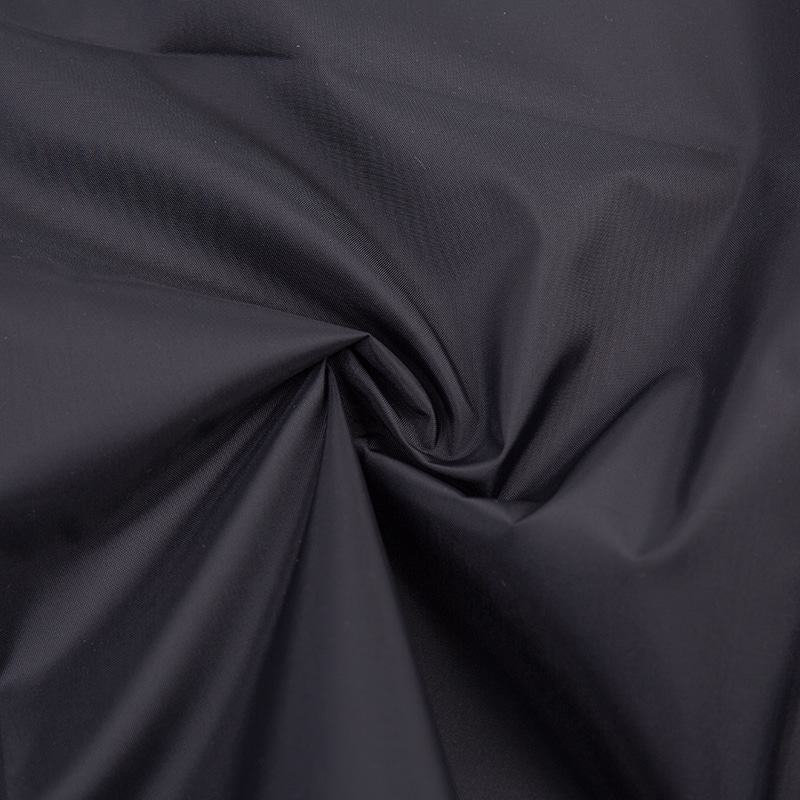
Polyester-spandex beach pants fabric is a woven textile composed primarily of polyester filaments interwoven with spandex yarn. The spandex content typically ranges from 5 percent to 20 percent, depending on the desired stretch and recovery. The polyester component provides structural integrity, color retention, and resistance to UV degradation. The spandex adds bidirectional stretch, allowing the fabric to expand and return to its original shape without sagging.
The most common construction for beach pants uses a warp and weft arrangement that includes 70D polyester, 40D spandex, and 100D polyester. This combination creates a fabric with a balanced hand feel, moderate weight, and excellent resilience. The 160 to 175 gsm range is ideal for beach shorts because it is heavy enough to avoid transparency yet light enough for quick moisture release.
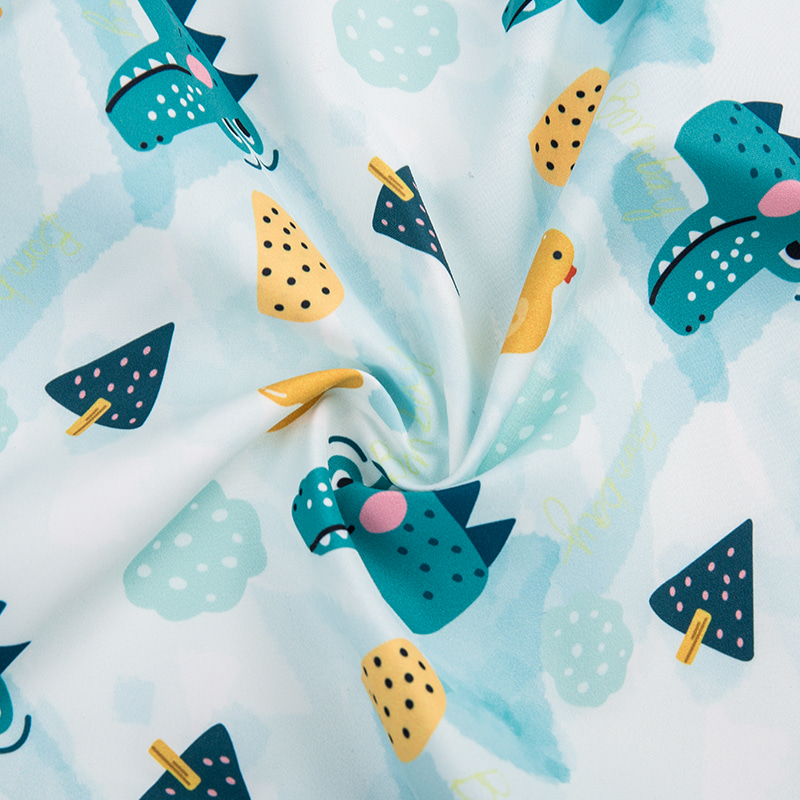
Two-tone heather effects are often achieved through differential dyeing, where the polyester and spandex yarns absorb dye at different rates. This produces a subtle, melange-like appearance without adding weight or compromising performance. The fabric is then finished with processes such as water repellency, quick-dry treatment, and anti-wrinkle finishing.
Understanding the technical properties is useful, but the real value lies in how those properties translate into finished garments. Each benefit below addresses a specific pain point that brands and factories face when developing beachwear.
Polyester-spandex beach pants fabric is inherently hydrophobic. The polyester fibers do not absorb water readily, and the tight woven structure limits capillary action. When a quick-dry finish is applied, moisture spreads across the surface and evaporates rapidly. This is critical for beach pants because they are often worn in and out of water. A water-repellent finish further prevents saturation, allowing the fabric to shed light rain and splashes. For buyers, this means garments that dry within minutes and remain comfortable after swimming.
Unlike cotton or rayon, polyester-spandex blends resist creasing during packing, shipping, and daily wear. The spandex component adds a subtle elasticity that helps the fabric recover from compression. This is especially important for retail-ready garments that may spend weeks in folded packaging. The drape is fluid but not limp, giving beach pants a structured yet relaxed silhouette that appeals to modern consumers.
Polyester is known for its abrasion resistance. When combined with spandex in a woven construction, the fabric withstands friction from sand, rocks, and repeated washing. The two-tone heather effect, achieved through differential dyeing, adds visual depth without compromising strength. This allows brands to offer unique colorways that stand out in a crowded market.
Spandex provides up to 200 percent elongation and near-complete recovery. This means beach pants made from this fabric will not bag out at the knees or waist after extended wear. The fabric returns to its original dimensions, maintaining a consistent fit wash after wash. For manufacturers, this reduces returns and complaints related to sizing inconsistency.
Saltwater, UV radiation, and sand are relentless. Polyester-spandex beach pants fabric resists UV degradation better than nylon and does not become brittle after repeated exposure to salt. The tight weave prevents sand from penetrating deep into the fibers, making the fabric easier to clean. These characteristics make it a reliable choice for beachwear that must perform in real-world conditions.
Selecting the right fabric requires comparing performance attributes across different materials. The table below evaluates four common options based on quick-dry capability, elasticity, wrinkle resistance, and best use scenario.
| Fabric | Quick-dry | Elasticity | Wrinkle Resistance | Best Use Scenario |
|---|---|---|---|---|
| Polyester-spandex beach pants fabric | Excellent | Excellent | Excellent | High-end beach shorts and pants |
| 100% polyester fabric | Good | Poor | Good | Budget beach pants |
| Nylon fabric | Good | Moderate | Fair | Surf shorts |
| Cotton fabric | Poor | Poor | Poor | Casual home wear |
While 100 percent polyester offers good quick-dry properties, it lacks the stretch and recovery that consumers expect from modern beachwear. Nylon provides strength but tends to wrinkle and does not manage moisture as efficiently. Cotton, although comfortable in dry conditions, absorbs water, dries slowly, and loses shape quickly. Polyester-spandex beach pants fabric outperforms all three in the categories that matter most for active beach use.
Once you have decided that polyester-spandex is the right material for your product line, the next step is sourcing it efficiently. The following guidelines will help you communicate requirements clearly and avoid costly mistakes.
China remains a leading source for technical textiles, and working with an experienced exporter offers several advantages. Factories in textile hubs such as Wujiang have developed deep expertise in weaving, dyeing, and finishing polyester-spandex blends. They can handle custom specifications, provide consistent quality across large orders, and offer competitive pricing.
When evaluating a potential supplier, consider production capacity, research and development capabilities, sampling speed, and delivery reliability. A factory with an annual output of around two million meters and experience exporting to Southeast Asia, Europe, Russia, and the Middle East is better positioned to handle diverse market requirements. Environmental certifications such as Higg FEM indicate a commitment to sustainable manufacturing, which is increasingly important to brands and retailers.
It is primarily used for beach pants, beach shorts, board shorts, and casual resort wear. The fabric is also suitable for swimwear cover-ups and lightweight activewear where quick-dry and stretch properties are beneficial.
Yes. Polyester-spandex fabric offers quick-dry performance, excellent elasticity, wrinkle resistance, and durability in saltwater and sandy environments. These properties make it superior to cotton and standard polyester for beachwear applications.
The most common range is 160 to 175 gsm. This weight provides adequate coverage without being too heavy, and it allows for efficient moisture evaporation. Heavier weights may be used for structured designs, while lighter weights are suitable for lined garments.
Yes. Water-repellent finishes are commonly applied to polyester-spandex blends. The finish can be combined with quick-dry and anti-wrinkle treatments. It is important to specify the level of water repellency required and the expected number of washes for durability.
Price depends on gsm, finishing, color customization, and order quantity. It is not possible to provide a single fixed price without these details. Contact a supplier directly with your specifications to receive an accurate quotation and fabric samples.
Polyester-spandex beach pants fabric delivers a combination of quick-dry performance, elastic recovery, wrinkle resistance, and durability that few other materials can match. For brands and factories targeting the beachwear market, it represents a reliable foundation for products that meet modern consumer expectations. The 160 to 175 gsm range, combined with finishes such as water repellency and quick-dry treatment, provides a versatile platform for beach pants and shorts.
When sourcing this fabric, focus on clear communication of specifications, request samples before bulk orders, and work with suppliers who can provide consistent quality and necessary certifications. If you are sourcing wholesale or custom polyester-spandex beach pants fabric, reach out to a qualified supplier to request fabric samples, detailed specification sheets, and competitive price quotations.

Canxing Textile Building, No.458Dongxin Road, Shengze Town, Wujiang District, Suzhou City, Jiangsu Province, China

+86-18816291909

+86-512-63620515

Crystal@canxingtex.com

Copyright © Wujiang Canxing Textile Co,.Ltd. Rights Reserved. Custom Elastic Woven Fabrics Manufacturers
Privacy 苏公网安备32050902101422



 English
 русский
 中文简体
中文简体 عربى
عربى