English
 русский
 中文简体
中文简体 عربى
عربىRegular
- Vacuum upholstery fabrics to remove dust
- Spot clean spills immediately
- Follow care label instructions
Periodic
- Professional cleaning for upholstery
- Check for fading or wear
- Rotate cushions for even wear
Complete Guide to Digital Direct Printing Fabrics for Textile Manufacturing
 Home / News / Industry news / Complete Guide to Digital Direct Printing Fabrics for Textile Manufacturing
  2026.08.28
 Industry news
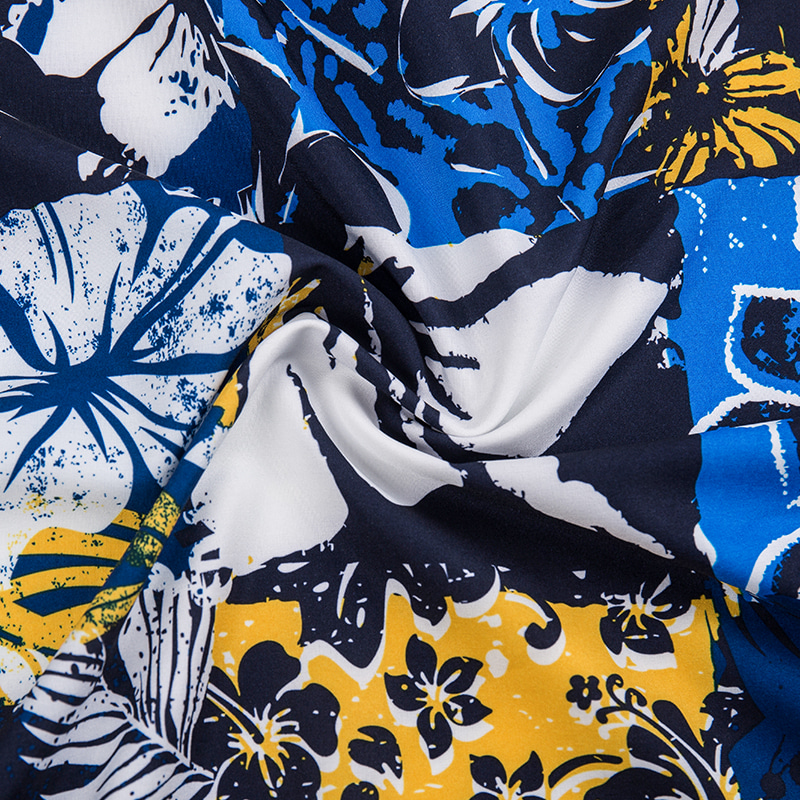
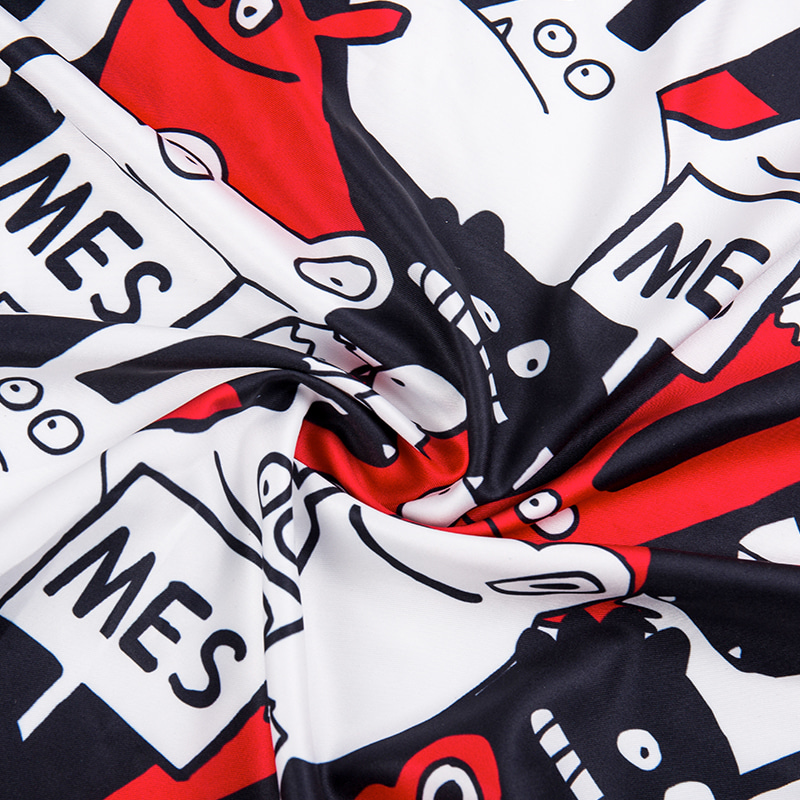
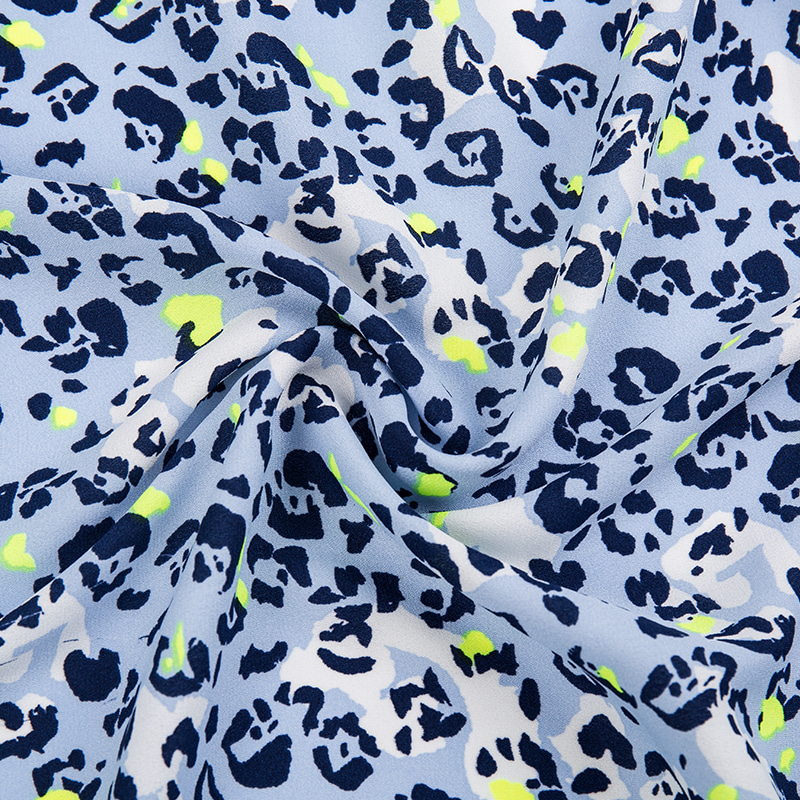
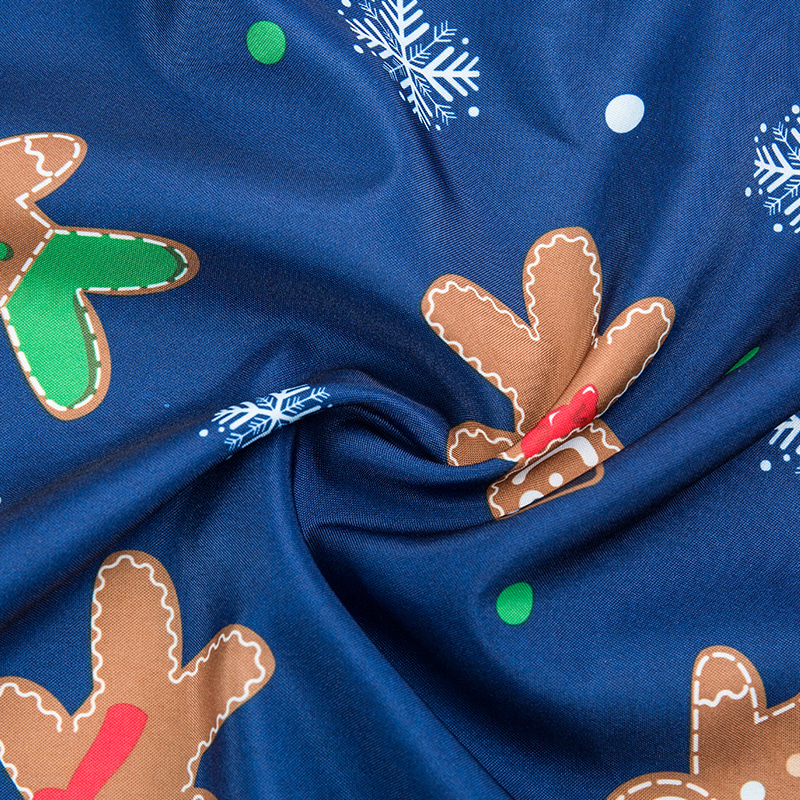
Digital direct printing fabrics are textiles where digital images or patterns are printed directly onto fabric using advanced inkjet printing technology. Understanding the structure and components helps buyers evaluate quality and performance.
Every digital printed fabric consists of six essential components:
The digital printing process follows a systematic workflow: digital design preparation creates the pattern file; fabric pre-treatment prepares the substrate for ink absorption; inkjet printing applies the design with precision; color fixing (heat or steam) bonds the ink to fibers; and washing and finishing remove excess dye and enhance fabric properties. Common printing technologies include reactive printing (for cellulose fibers), pigment printing (versatile application), sublimation printing (for polyester), and acid printing (for protein fibers). Digital printing improves pattern accuracy, color control, and production flexibility compared to traditional methods.
Digital direct printing fabrics are available in various configurations to suit different applications, design requirements, and performance needs.
| Fabric Type | Key Features | Best Applications | Print Compatibility |
| Cotton Digital Printed | Soft hand feel, moisture absorption, natural comfort | Home textiles, fashion, decorative fabrics | Reactive, pigment |
| Polyester Digital Printed | Color retention, durability, easy care | Sportswear, furniture, commercial textiles | Sublimation, disperse |
| Upholstery Digital Printed | High durability, decorative appearance, custom designs | Sofas, chairs, office furniture, hospitality | Pigment, reactive |
| Stretch Digital Printed | Flexible movement, pattern customization, elastic performance | Sportswear, fashion, flexible furniture covers | Reactive, pigment |
| Eco-Friendly Digital Printed | Sustainable materials, reduced water consumption | Sustainable fashion, green interiors | Pigment, reactive |
| Custom Digital Printed | Custom patterns, brand-specific designs, color matching | Furniture manufacturers, interior designers | All technologies |
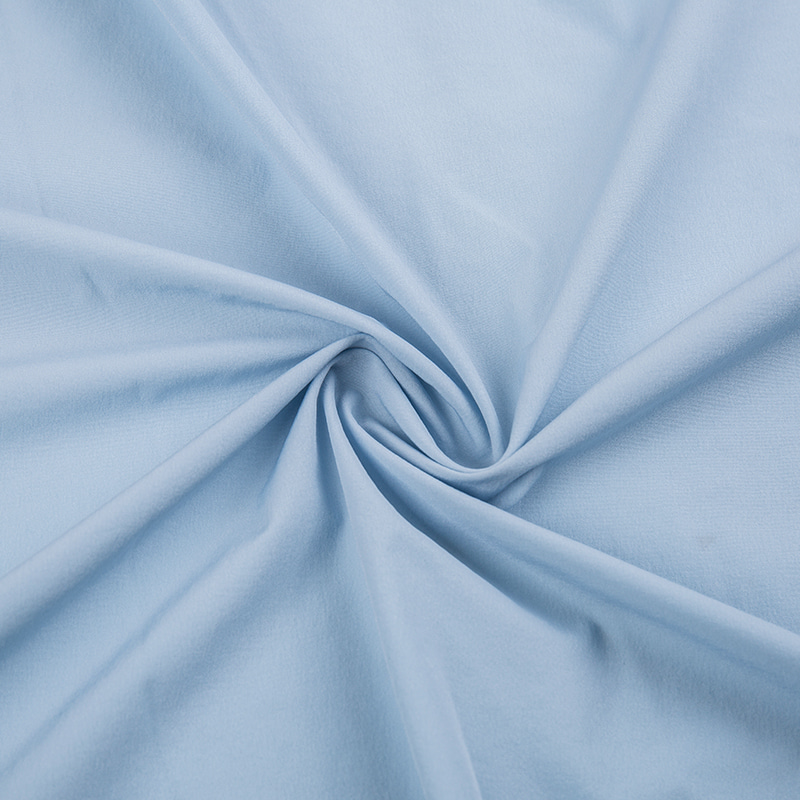
Select the right fabric type based on your application requirements. Cotton for natural comfort and apparel; polyester for durability and sportswear; upholstery for furniture and commercial interiors; stretch for flexible applications; eco-friendly for sustainable projects; custom for brand-specific and unique design requirements.
Digital direct printing fabrics undergo a precision manufacturing process that ensures print quality, durability, and consistent performance. Understanding this process helps buyers evaluate supplier capabilities and product value.
The manufacturing process begins with selecting suitable fabric substrates based on end-use requirements. Fabrics undergo cleaning and pre-treatment to remove impurities and improve ink absorption. Surface preparation ensures optimal print quality. Factors affecting print quality include fabric structure, fiber composition, and surface smoothness — all carefully controlled during preparation.
Digital pattern creation uses specialized software to prepare print files. Printing machine setup involves calibrating ink systems and print heads for specific fabrics. Ink application uses reactive dyes (for cellulose fibers), pigment inks (versatile and simple), or sublimation inks (for polyester). Color adjustment ensures accuracy and consistency. Performance factors include color accuracy, print resolution (measured in dpi), and pattern detail retention.
Finishing processes include heat treatment (for reactive and sublimation inks), washing (to remove unfixed dye), drying, softening treatment, and optional protective coating. These processes improve color fastness, enhance fabric feel, and increase durability. Proper finishing ensures printed fabrics meet performance standards for their intended applications.
Digital printed fabrics undergo comprehensive testing: color fastness testing (wash, light, and rubbing), pattern accuracy inspection, fabric strength testing, abrasion resistance testing, and shrinkage testing. Quality requirements include consistent colors, durable prints, and stable fabric performance. Compliance with industry standards (ISO, AATCC) ensures product reliability.
The value proposition of digital direct printing fabrics extends beyond basic textile printing — delivering measurable benefits that justify investment for manufacturers, designers, and commercial buyers.
Unlimited pattern possibilities, small batch customization, personalized designs, and fast design changes — enabling designers and manufacturers to respond quickly to market trends.
High-resolution printing delivers photo-quality images, complex patterns, and precise color reproduction — ideal for premium textiles, decorative fabrics, and custom interior products.
On-demand production reduces minimum order requirements, enables faster design updates, and lowers storage needs — improving manufacturing flexibility and market response time.
Unique designs, premium appearance, and custom product development enable furniture collections, interior projects, and fashion products to stand out in competitive markets.
The versatility of digital direct printing fabrics makes them suitable for a broad spectrum of applications, each with specific performance requirements.
Making an informed decision requires understanding how digital direct printing compares to alternative textile printing technologies.
Digital printing offers superior production efficiency (no screen setup), unlimited design flexibility, and better color accuracy. Screen printing requires higher minimum orders and longer setup times but offers lower per-unit cost for very large runs. Digital is preferred for custom designs and short to medium production volumes.
Digital printing works on a wider range of fabrics (including cotton and blends), while sublimation is limited to polyester and synthetic blends. Digital offers better color accuracy on natural fibers; sublimation provides excellent durability on synthetics. The choice depends on fabric type and end-use requirements.
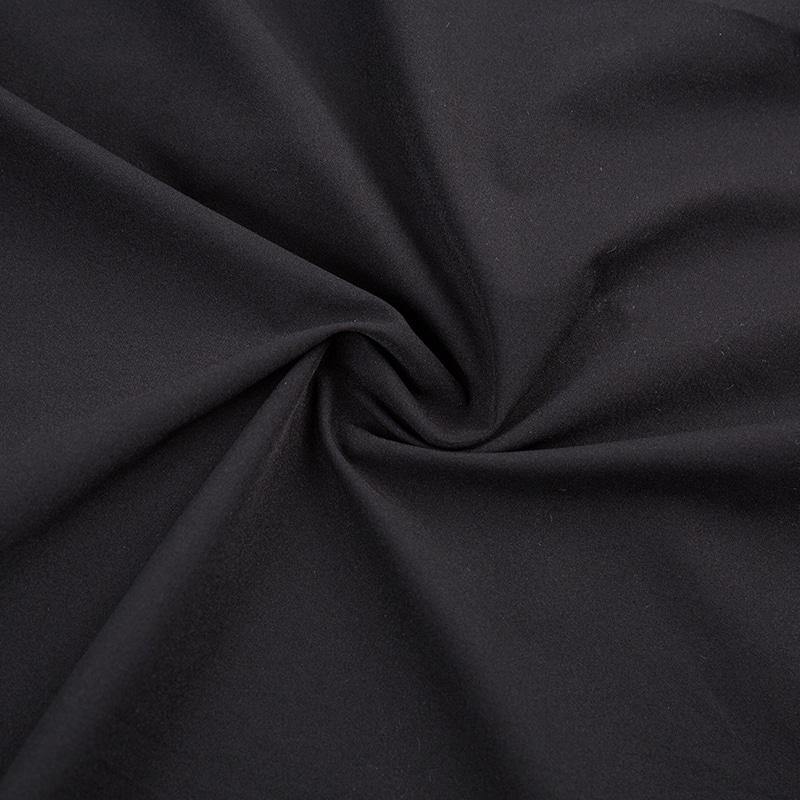
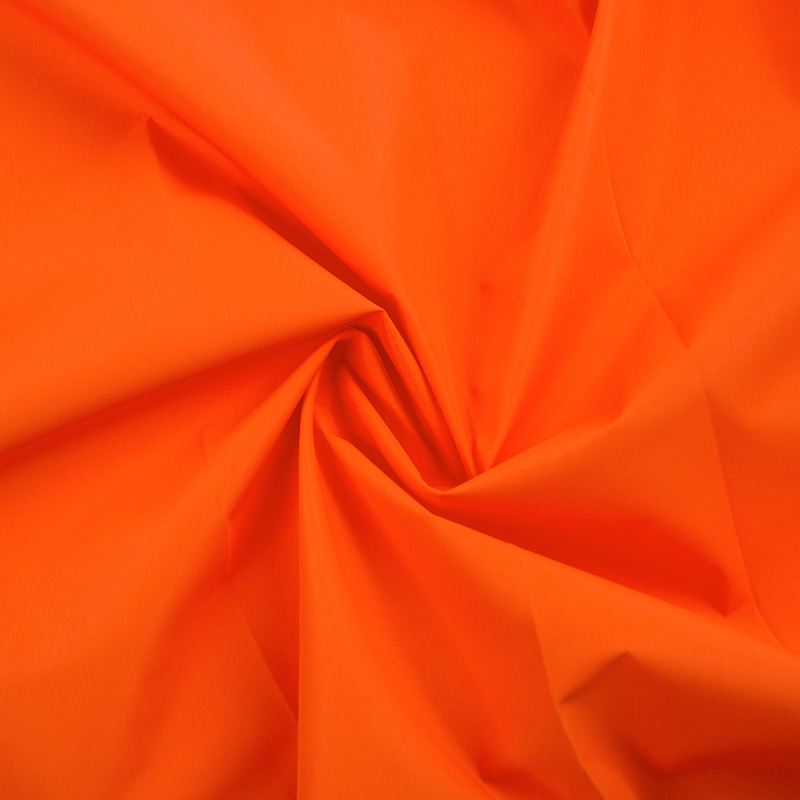
Printed fabrics offer superior design flexibility, enabling complex patterns, photographic images, and custom designs. Solid color fabrics are simpler to produce and maintain but lack visual interest and customization capability. Printed fabrics command higher market value and enable product differentiation.
Selecting the optimal digital direct printing fabrics involves evaluating both the product and the manufacturer. The following framework guides successful procurement.
For B2B buyers, supplier selection is as important as product selection. Assess potential manufacturers on: printing technology (equipment capability and print resolution), fabric quality (consistency and performance), color management capability (accuracy and repeatability), production capacity (volume and lead time), customization service (design support and flexibility), and quality control (testing and certification standards).
When comparing products, examine these key parameters: fabric composition (fiber content and blend), fabric weight (GSM — grams per square meter), printing resolution (dpi — dots per inch), color fastness (wash, light, and rubbing ratings), abrasion resistance (cycles to failure), fabric width (available in various widths), shrinkage rate (percentage after washing), and surface treatment (finishing type and performance properties). Specification tables from reputable manufacturers provide essential data for informed decision-making.
Proper care of digital direct printing fabrics extends service life and maintains appearance. For general use, follow washing instructions provided by the manufacturer — typically machine wash cold, gentle cycle, mild detergent, and air dry or low heat. Surface cleaning for upholstery fabrics involves gentle vacuuming and spot cleaning with appropriate solutions. Avoid bleach and abrasive cleaners that can damage prints. Store printed fabrics in cool, dry conditions away from direct sunlight. With proper care, quality digital printed fabrics provide 5-10 years of service in residential applications and 3-7 years in commercial environments.
The digital direct printing fabric industry continues to evolve with technological advances and changing market demands.
Eco-friendly inks, waterless printing technologies, and sustainable fabric substrates are becoming standard. Manufacturers are adopting bio-based inks, recycled fabrics, and energy-efficient production processes to reduce environmental impact.
AI-assisted pattern design, automated color matching, and smart production systems are improving efficiency and quality. Predictive maintenance and real-time monitoring optimize manufacturing operations.
Short-run and on-demand printing enables personalized textile products, reducing inventory waste and enabling rapid design iteration. This trend aligns with e-commerce growth and personalized consumer preferences.
Digital printing works on most fabric types including cotton, polyester, silk, wool, linen, and blends. The print technology (reactive, pigment, sublimation, acid) determines compatibility with specific fibers. Consult your fabric supplier for recommended printing methods.
Digital printing offers significantly lower minimum order quantities than traditional methods — often starting at 10-50 meters for custom designs. This enables sampling, small-batch production, and cost-effective prototyping for designers and manufacturers.
For short to medium runs (up to 500-1000 meters), digital printing is more cost-effective due to no screen setup costs. For very large production runs, traditional screen printing may offer lower per-unit costs. Consider your production volume when selecting printing methods.
Yes. Digital printed fabrics with proper pre-treatment, quality inks, and finishing processes offer excellent durability. Color fastness and abrasion resistance meet industry standards for apparel, upholstery, and commercial applications. Always verify test results for your specific application requirements.
Lead times typically range from 2-4 weeks for custom digital printed fabrics, depending on fabric availability, design complexity, and order volume. This is significantly shorter than traditional printing methods, enabling faster product development and market response.

Canxing Textile Building, No.458Dongxin Road, Shengze Town, Wujiang District, Suzhou City, Jiangsu Province, China

+86-18816291909

+86-512-63620515

Crystal@canxingtex.com

Copyright © Wujiang Canxing Textile Co,.Ltd. Rights Reserved. Custom Elastic Woven Fabrics Manufacturers
Privacy 苏公网安备32050902101422