How to Choose Nylon Four-Way Stretch Fabric for Performance Apparel
 2026.08.21
 Industry news
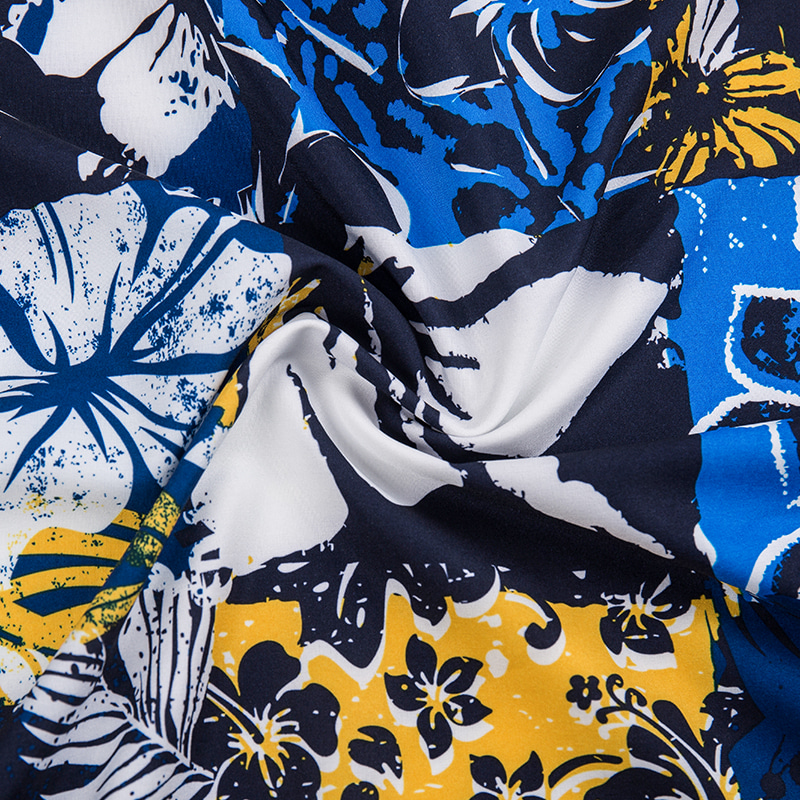
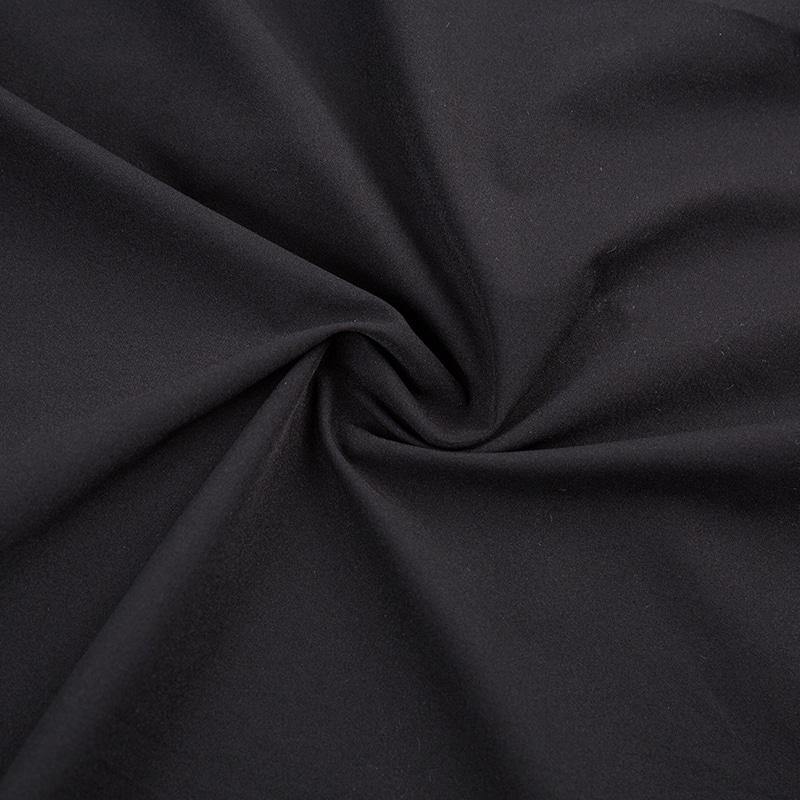
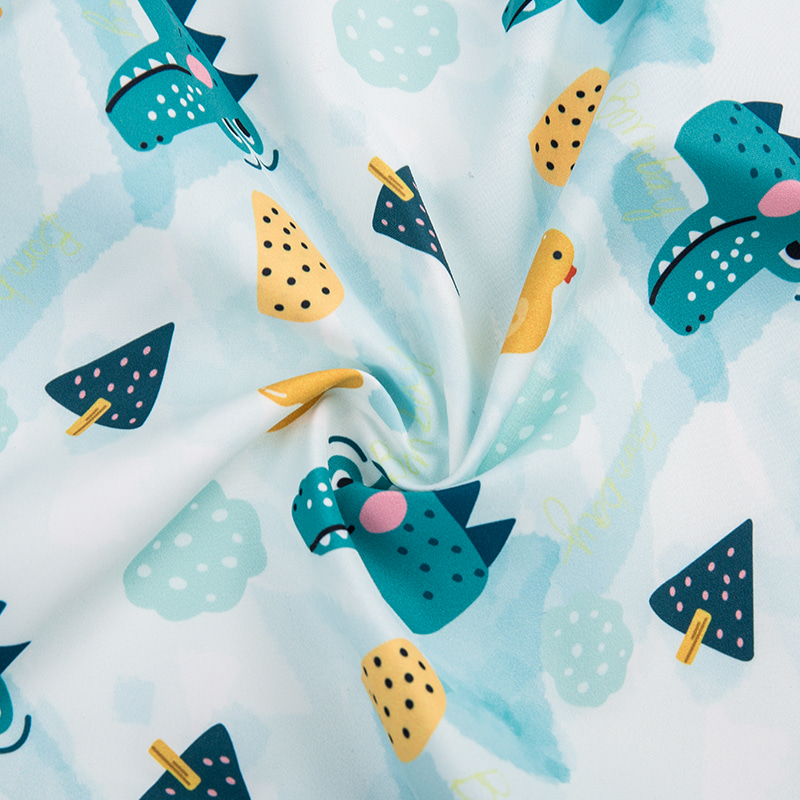
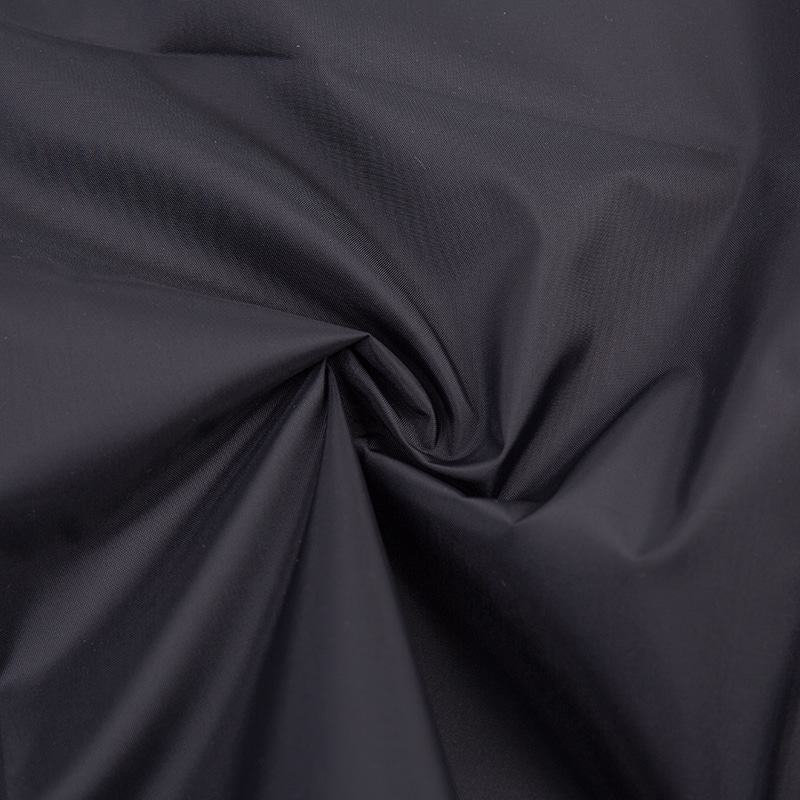
Nylon four-way stretch fabric achieves its exceptional flexibility through the interaction of two key components: the nylon base fiber and the elastane (spandex) stretch fiber. Nylon provides the structural strength, abrasion resistance, and dimensional stability — typically 75–85 percent of the fabric composition. Elastane, comprising 15–25 percent, delivers the elastic properties that enable the fabric to stretch in both the warp (vertical) and weft (horizontal) directions. This bidirectional stretch capability allows the fabric to conform to body contours during movement while maintaining a smooth, non-restrictive feel. The stretch percentage typically ranges from 20–50 percent in each direction, depending on the elastane content and fabric construction. A nylon four-way stretch fabric with 25 percent elastane content achieves approximately 45 percent stretch and 92 percent recovery, ensuring the garment returns to its original shape after each use.
Nylon four-way stretch fabric delivers a combination of properties that make it suitable for demanding applications. The fabric's tensile strength exceeds 300 N in both warp and weft directions, providing resistance to tearing and stretching under load. Abrasion resistance is exceptional, with Martindale test results exceeding 50,000 cycles — significantly higher than cotton or standard polyester fabrics. The fabric's moisture management properties allow it to wick perspiration away from the skin, making it ideal for activewear and performance garments. Quick-drying characteristics (typically 30–60 minutes to 90 percent dryness) further enhance comfort. UV resistance is good, with UPF ratings of 30–50+ available depending on the finishing treatment. These combined properties make nylon four-way stretch fabric a versatile choice for applications where performance, durability, and comfort are essential.
Nylon four-way stretch fabric is available in multiple variations to suit different end-use requirements. Nylon-spandex blends (80/20 to 85/15 ratios) are the most common, offering an optimal balance of strength and elasticity. Lightweight versions (120–160 gsm) are designed for base layers and lightweight activewear where breathability and freedom of movement are priorities. Mid-weight versions (180–220 gsm) are suitable for outerwear, sports apparel, and general performance garments. Heavy-duty versions (240–300+ gsm) are used for upholstery, equipment covers, and applications requiring maximum abrasion resistance. Waterproof and breathable finishes can be applied to enhance outdoor performance, while anti-microbial treatments are available for sportswear and medical applications. Each variation is engineered to meet specific performance requirements while maintaining the core stretch and durability characteristics of the base fabric.
The production of nylon four-way stretch fabric involves several precision-controlled stages. The process begins with yarn preparation, where nylon and elastane filaments are combined to create a core-spun or covered yarn — elastane is wrapped with nylon fibers to create a yarn that stretches while maintaining the surface characteristics of nylon. The yarn is then knitted or woven using circular knitting or warp knitting machines, with the stitch structure determining the final stretch properties. After fabric formation, the material undergoes dyeing to achieve the required colour. Finishing treatments may include heat-setting to stabilise the fabric dimensions, softening agents to improve hand feel, and functional coatings such as water repellents or anti-microbial treatments. Quality control testing verifies stretch percentage, recovery rate, tensile strength, and abrasion resistance.
Proper care extends the performance life of nylon four-way stretch fabric. Machine washing in cold water (30°C) with mild detergent is recommended — hot water can damage elastane fibers and reduce stretch recovery. Avoid fabric softeners, which can coat the fibers and reduce moisture-wicking performance. Tumble drying on low heat or air drying preserves fabric elasticity; high heat can cause elastane degradation. Do not bleach, as this can damage nylon fibers and cause discolouration. Ironing should be done on low heat without steam. With proper care, nylon four-way stretch fabric maintains its stretch and recovery properties for 3–5 years of regular use, depending on the application intensity and frequency of washing.

Canxing Textile Building, No.458Dongxin Road, Shengze Town, Wujiang District, Suzhou City, Jiangsu Province, China

+86-18816291909

+86-512-63620515

Crystal@canxingtex.com

Copyright © Wujiang Canxing Textile Co,.Ltd. Rights Reserved. Custom Elastic Woven Fabrics Manufacturers
Privacy 苏公网安备32050902101422



 English
 русский
 中文简体
中文简体 عربى
عربى