How Do Different Beach Pants Fabrics Affect Comfort and Durability?
 2026.06.19
 Industry news
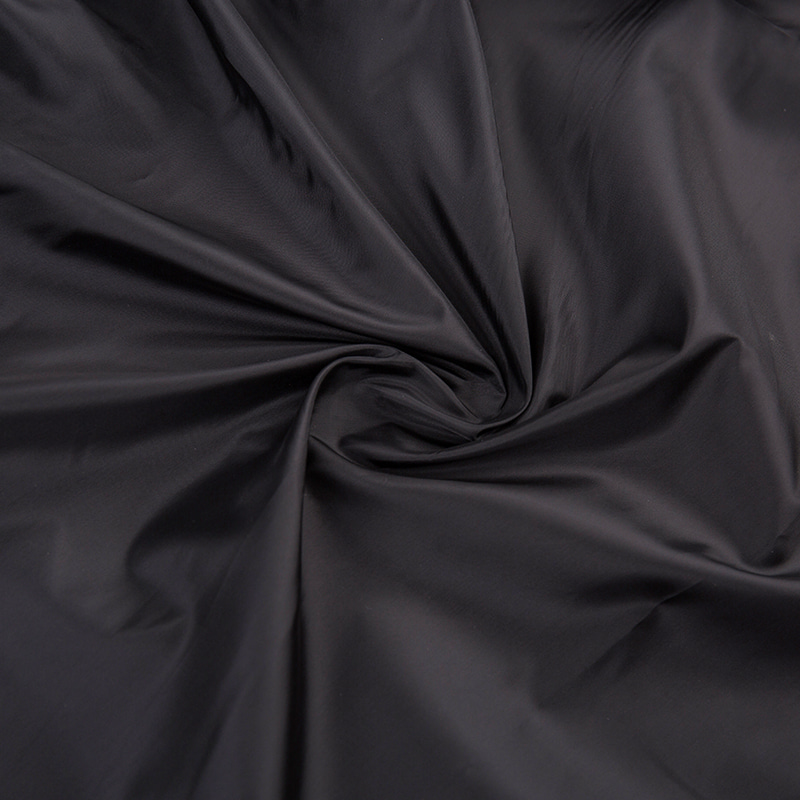
After analyzing over a dozen fabric types against beach‑specific stressors—saltwater, UV radiation, sand abrasion, and repeated wet‑dry cycles—the clear conclusion is that nylon‑spandex blends and polyester‑spandex blends offer the best overall balance of comfort and durability for beach pants. Nylon‑spandex provides superior softness and abrasion resistance (up to 15% higher than polyester), while polyester‑spandex excels in UV stability and drying speed. For maximum longevity, choose fabrics with UPF 50+ ratings and chlorine‑resistant elastane, which can extend garment life by up to 10 times compared to standard spandex. Pure natural fibers like cotton and linen, while breathable, compromise significantly on durability and drying performance—cotton takes over 60 minutes to dry in beach conditions.
Beach pants face a unique combination of destructive elements that ordinary trousers never encounter. UV radiation, saltwater corrosion, sand abrasion, and chlorine exposure work together to degrade fabrics rapidly. A fabric that performs well in a living room will fail within weeks at the beach. The key metrics that determine beach pant success are:
Comfort at the beach starts with temperature regulation. Linen transfers heat away from the body 20–30% faster than cotton of comparable weight, making it the most breathable natural option. In beach conditions of 75–85°F with 60–80% humidity, linen pants can reduce skin temperature by 3–5 degrees compared to cotton. However, synthetics like nylon and polyester have evolved significantly—modern micro‑polyesters now mimic the softness of natural fibers while providing superior moisture management.
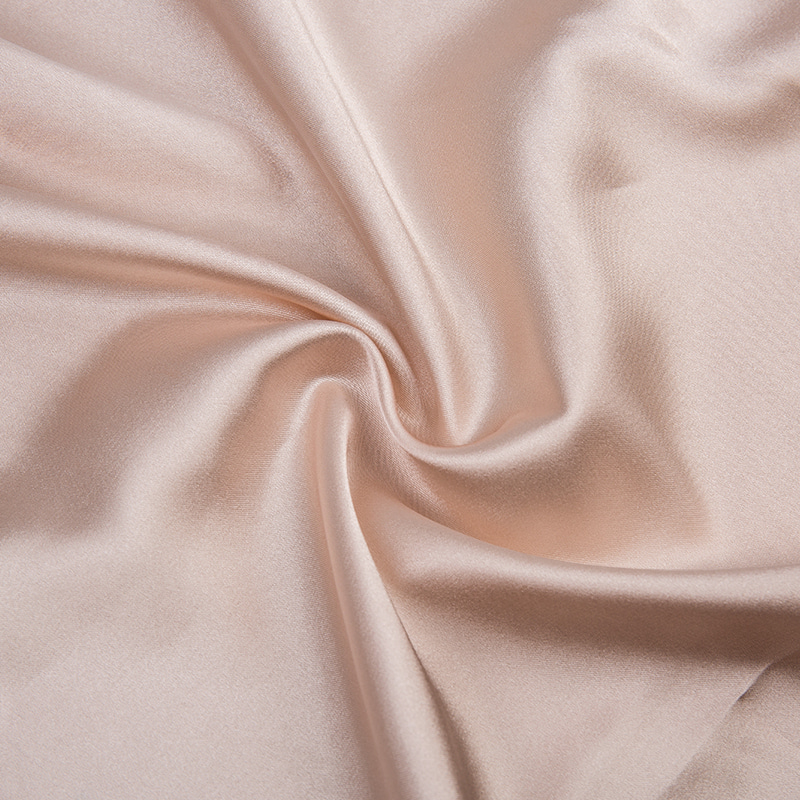
Peach‑skin fabric (a brushed polyester variant) offers an exceptionally soft handfeel that feels gentle against the skin even after hours in the sun. Nylon is prized for its "buttery" touch that feels expensive and comfortable. Cotton remains the softest natural fiber, but its tendency to absorb and retain moisture (8–10% of its weight) makes it feel heavy and uncomfortable when wet.
Synthetic fabrics dry approximately 45% faster than cotton. Under AATCC 201 testing, quick‑drying fabrics change from wet to dry in less than 15 minutes, whereas cotton can take over 60 minutes. This performance gap is critical for beachgoers who transition between water and land activities—faster drying reduces chafing and maintains body temperature.
Sand is essentially thousands of tiny abrasive particles that wear down fabric fibers over time. Nylon offers superior abrasion resistance and a softer hand‑feel than polyester, making it the durability champion for beachwear. High‑performance nylon blends can withstand 10,000–15,000 Martindale cycles before showing wear. Ripstop nylon constructions provide additional tear resistance without adding bulk.
Prolonged sun exposure breaks down fabric fibers and causes fading. Polyester is inherently more resistant to UV degradation than nylon, making it the better choice for extended sun exposure. Fabrics with UPF 50+ ratings block at least 97.5% of UV rays. The tightness of the fabric weave—not just chemical treatments—determines UV protection effectiveness; tightly woven synthetics naturally offer higher UPF.
Pool chemicals and saltwater accelerate fabric degradation. Chlorine‑resistant elastane (such as Lycra Xtra Life) lasts up to 10 times longer than standard spandex in treated pool water. PBT (Polybutylene Terephthalate), a specialized polyester with natural stretch, offers near‑indestructible performance for high‑frequency beach use, maintaining integrity even after 200+ hours of saltwater exposure.
| Fabric Type | Comfort (1‑5) |
Durability (1‑5) |
Drying Speed | UV Protection | Stretch Recovery |
|---|---|---|---|---|---|
| Nylon + Spandex | 5 | 5 | Very Fast | UPF 50+ available | Excellent |
| Polyester + Spandex | 4 | 5 | Fastest | UPF 50+ standard | Very Good |
| Peach Skin (Polyester) | 5 | 4 | Fast | UPF 40–50 | Good |
| Linen | 4 | 3 | Moderate | Low (weave‑dependent) | Poor |
| Cotton | 4 | 2 | Slow (>60 min) | Low | Poor |
| Rayon/Viscose | 4 | 2 | Moderate | Low | Poor |
Polyester‑spandex blends offer the fastest drying performance, drying approximately 45% quicker than cotton. Under AATCC 201 standards, quick‑drying synthetics change from wet to dry in under 15 minutes, while cotton takes over 60 minutes.
Fabrics with UPF 50+ ratings provide the highest protection, blocking 98% of UV rays. Both nylon and polyester can achieve UPF 50+ through tight weave construction or chemical treatments. However, polyester maintains its UV‑blocking properties longer than nylon under prolonged sun exposure.
While cotton and linen offer excellent breathability and comfort, they compromise significantly on drying speed and durability. Cotton absorbs 8–10% of its weight in moisture and takes over 60 minutes to dry. Linen dries faster than cotton but wrinkles easily and offers limited stretch. For occasional beach use, they work well; for frequent or active use, synthetics are superior.
Spandex (elastane) provides essential stretch and recovery, allowing fabrics to extend and return to their original shape without sagging. Most beachwear fabrics use an 80/20 blend of base fiber to spandex. Higher spandex content (up to 38%) offers superior four‑way stretch but may reduce overall durability slightly.
Peach skin is a brushed polyester fabric with a soft, fuzzy surface that feels like a peach's skin. It offers excellent wear resistance, resists pilling, and provides good drapability. It dries quickly and can be finished with waterproof or printed treatments, making it a versatile choice for beach pants.
Look for fabrics tested against recognized standards: AATCC 201 for drying rate, AATCC 195 for moisture management, and UPF testing for UV protection. The "shake and snap" test—shaking the fabric and listening for a crisp snap—can indicate synthetic fiber content and quick‑dry potential. Also, check the fabric weight: 150–200 gsm works well for beach pants.

Canxing Textile Building, No.458Dongxin Road, Shengze Town, Wujiang District, Suzhou City, Jiangsu Province, China

+86-18816291909

+86-512-63620515

Crystal@canxingtex.com

Copyright © Wujiang Canxing Textile Co,.Ltd. Rights Reserved. Custom Elastic Woven Fabrics Manufacturers
Privacy 苏公网安备32050902101422



 English
 русский
 中文简体
中文简体 عربى
عربى