How Do UV-Resistant Fabrics Enhance Your Beach Pants Performance?
 2026.04.17
 Industry news
When preparing for a day at the beach, one of the important factors to consider is the fabric of your beachwear. Among the different fabrics available, UV-resistant fabrics for beach pants have gained significant popularity. These fabrics are designed to protect your skin from harmful ultraviolet (UV) rays while enhancing comfort and performance.
UV-resistant fabrics are textiles designed with properties that prevent harmful UV rays from penetrating the fabric and reaching the skin. These fabrics are essential for outdoor wear, especially in environments like the beach where sun exposure is frequent and prolonged. UV resistance is typically achieved through special treatments or by using fibers with natural UV-blocking properties.
UV Protection
UV-resistant fabrics are engineered to offer a specific level of ultraviolet protection, often measured in UPF (Ultraviolet Protection Factor). A higher UPF rating means more effective protection from UV rays. For beach pants, fabrics with UPF ratings of 30 or higher are ideal for preventing sunburn and skin damage.
Types of UV-Resistant Fabrics
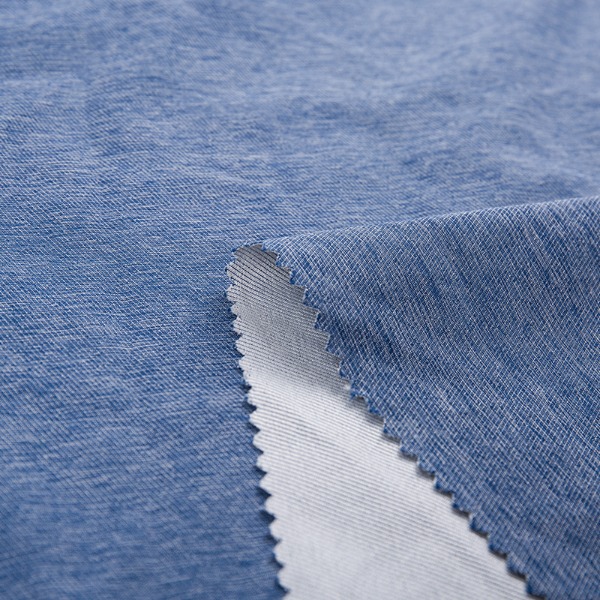
Different fabrics offer varying levels of UV resistance. Common materials used for beach pants include polyester, nylon, and blends of synthetic fibers. These materials are treated with UV inhibitors or are tightly woven to block the sun’s rays.
The combination of UV resistance and comfort makes UV-resistant fabrics ideal for beach pants. Here are some ways these fabrics enhance performance:
Prolonged exposure to the sun can cause skin damage, including sunburn, premature aging, and an increased risk of skin cancer. UV-resistant fabrics act as a barrier, preventing harmful rays from reaching the skin and reducing the risk of sunburn. When used in beach pants, these fabrics provide extra protection during long days spent by the water.
UV-resistant fabrics are often more durable than regular fabrics. The treatment that makes them UV-resistant also enhances their resistance to wear and tear, allowing beach pants made from these materials to maintain their quality and color over time. This durability ensures that the beach pants can withstand the rigors of sand, water, and exposure to sunlight without deteriorating quickly.
Beachwear needs to be comfortable for long periods, especially in hot and humid environments. UV-resistant fabrics often feature breathable, moisture-wicking properties that help keep the wearer cool and dry. These fabrics allow air to circulate through the fabric, preventing sweat from building up and ensuring comfort.
Beach pants are often exposed to water, whether from the ocean or pool. UV-resistant fabrics are typically designed to dry quickly, which is essential for maintaining comfort and hygiene. These fabrics wick moisture away from the body, ensuring that the pants dry faster, preventing discomfort from damp clothing.
UV-resistant fabrics are often lightweight and flexible, allowing for ease of movement. This is crucial for beach activities such as swimming, beach volleyball, or lounging by the shore. The lightweight nature of these fabrics ensures that beach pants are not restrictive, offering both comfort and performance.
Here are the primary benefits of opting for beach pants made from UV-resistant fabrics:
When looking for high-quality UV-resistant fabrics for beach pants, it’s important to consider the manufacturers behind these fabrics. A reputable manufacturer will provide high-quality, durable materials that are tested for UV resistance and overall performance.
Fabric Quality: Ensure that the fabric is tested for UV resistance and breathability.
Customization Options: Look for manufacturers who offer customizable options for colors, patterns, and other features.
Sustainability: Opt for manufacturers who prioritize environmentally friendly practices and materials.
Certifications: Check for certifications like UPF ratings and material certifications to ensure the fabric meets performance standards.
| Fabric Type | UPF Rating | Key Features | Ideal Use |
|---|---|---|---|
| Polyester | UPF 30-50+ | Durable, lightweight, fast-drying | Ideal for regular beachwear |
| Nylon | UPF 30-50 | Strong, abrasion-resistant, flexible | Suitable for active beachwear |
| Spandex Blends | UPF 30-50+ | Stretchy, form-fitting, comfortable | Perfect for sporty and water activities |
| Recycled Fabrics | UPF 30-50 | Eco-friendly, durable | Sustainable beachwear options |
UV-resistant fabrics are a game-changer for beach pants, offering a combination of sun protection, comfort, and durability. Whether you’re lounging by the beach, swimming, or participating in active sports, beach pants made from UV-resistant fabrics provide essential protection and comfort for all-day wear. By choosing high-quality fabrics from trusted manufacturers, you can ensure that your beach pants meet the performance standards while providing long-lasting protection from the sun.
1. What is the UPF rating for beach pants fabrics?
The UPF rating measures how well the fabric blocks UV rays. A higher UPF rating offers more protection, with ratings of 30 or higher being ideal for beachwear.
2. Are all beach pants made from UV-resistant fabrics?
Not all beach pants are made from UV-resistant fabrics. It’s important to check the fabric specifications before purchasing.
3. Can UV-resistant fabrics prevent sunburn entirely?
While UV-resistant fabrics significantly reduce the risk of sunburn, it is still recommended to use sunscreen for full protection.
4. How do UV-resistant fabrics compare to regular fabrics?
UV-resistant fabrics provide added protection against harmful UV rays, while regular fabrics offer little to no protection.
5. Are UV-resistant beach pants suitable for all types of beach activities?
Yes, UV-resistant beach pants are designed for various beach activities, offering comfort, flexibility, and sun protection.

Canxing Textile Building, No.458Dongxin Road, Shengze Town, Wujiang District, Suzhou City, Jiangsu Province, China

+86-18816291909

+86-512-63620515

Crystal@canxingtex.com

Copyright © Wujiang Canxing Textile Co,.Ltd. Rights Reserved. Custom Elastic Woven Fabrics Manufacturers
Privacy 苏公网安备32050902101422



 English
 русский
 中文简体
中文简体 عربى
عربى