Imitated Silk vs. Real Silk: Which Is the Better Choice for Your Fashion Needs?
 Home / News / Industry news / Imitated Silk vs. Real Silk: Which Is the Better Choice for Your Fashion Needs?
  2026.04.24
 Industry news
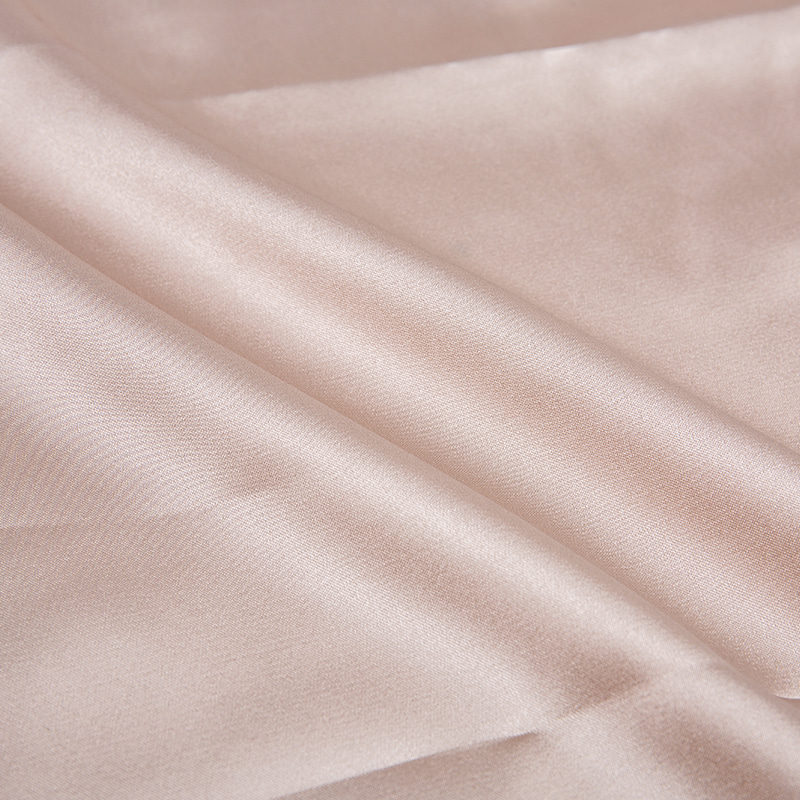
When it comes to choosing fabrics for your wardrobe, the decision between imitated silk and real silk is one that many fashion enthusiasts face. Both materials are prized for their luxurious texture and elegant sheen, but they differ in terms of cost, durability, and overall performance.
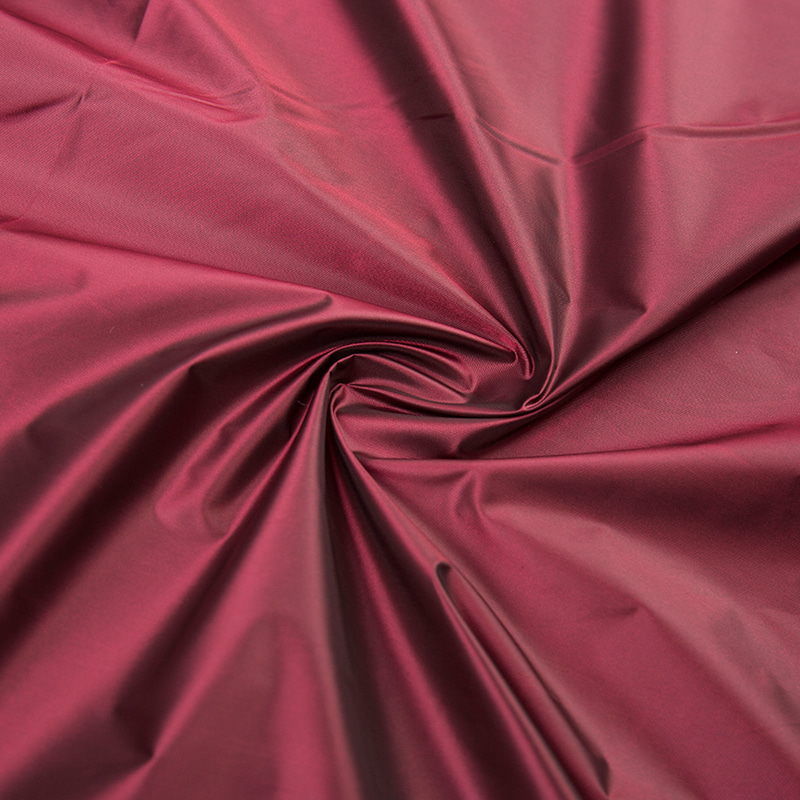
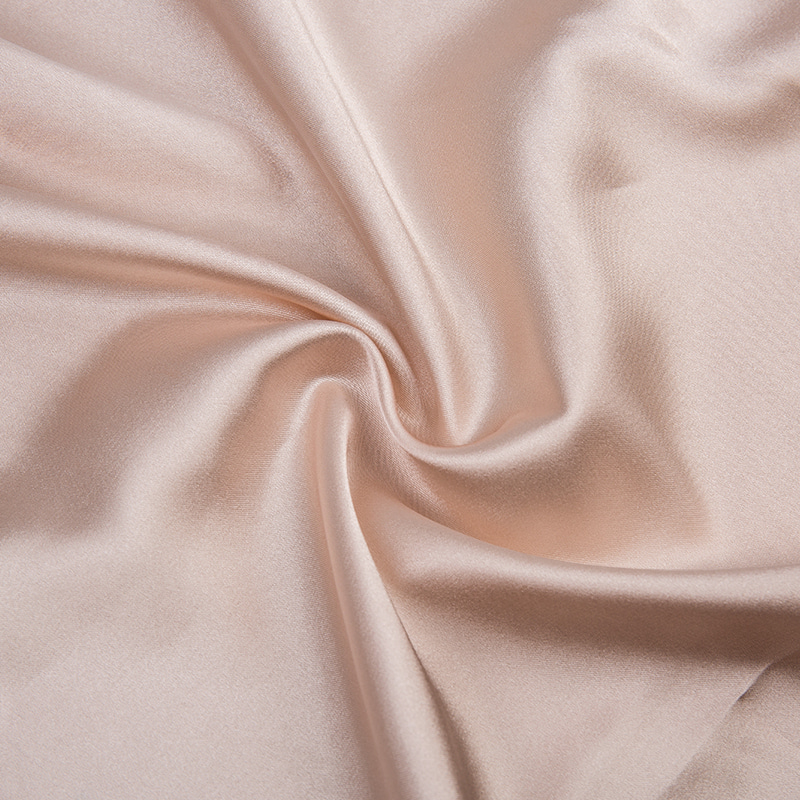
Imitated silk, also known as synthetic or artificial silk, is a man-made fabric designed to mimic the look and feel of natural silk. Unlike real silk, which comes from the silkworm’s cocoon, imitated silk is typically made from synthetic fibers such as polyester, nylon, or rayon. These fibers are woven or knitted in a way that replicates the smoothness and gloss of silk, making them a popular choice in fashion for a more affordable option.
Cost-Effective: One of the significant advantages of imitated silk fabric is its affordability. Unlike real silk, which can be expensive due to the labor-intensive process of silk production, imitated silk offers a similar aesthetic at a fraction of the cost.
Durability: Imitated silk is more durable and resistant to damage than real silk. It is less prone to staining, fraying, and fading, making it a practical option for everyday wear.
Easy Maintenance: Unlike real silk, which requires special care such as dry cleaning, imitated silk can often be machine-washed, making it easier to maintain and clean.
Lack of Breathability: While imitated silk does mimic the smooth surface of real silk, it does not offer the same level of breathability. This can make it less comfortable to wear in hot or humid climates.
Less Luxurious Feel: Though it can look like real silk, the feel of imitated silk is often less luxurious. It may not have the same softness or weight as natural silk, which can result in a more synthetic sensation on the skin.
Real silk is a natural fiber produced by silkworms. It has been prized for centuries for its luxurious texture and appearance. Silk is a protein fiber, making it one of the luxurious and delicate fabrics available in the textile industry. It is highly valued for its smooth texture, rich sheen, and natural temperature-regulating properties.
Natural Elegance: There’s no denying the unmatched beauty of real silk. The fabric’s natural sheen and smooth texture give it a refined, elegant appearance that is often associated with high-end fashion and luxury.
Breathability and Comfort: Silk is a breathable fabric that helps regulate temperature. In hot weather, it allows air to circulate and keeps you cool, while in cold weather, it traps heat, providing warmth without feeling heavy.
Hypoallergenic Properties: Real silk is gentle on the skin and has hypoallergenic qualities. It is less likely to cause irritation or allergic reactions, making it a choice for those with sensitive skin.
Environmental Impact: Real silk is a biodegradable fabric, making it an environmentally friendlier option compared to synthetic fabrics that take much longer to break down.
High Cost: Real silk is expensive due to the labor-intensive process of producing it. The time and resources required to harvest silk fibers from silkworms contribute to its higher price point.
Delicate Care: Silk is delicate and requires special care to maintain its quality. It is prone to damage from excessive washing or improper handling, often needing dry cleaning or gentle hand washing.
Durability Issues: Despite its luxurious qualities, real silk is not as durable as imitated silk. It can tear or lose its sheen with frequent use and exposure to sunlight, making it less ideal for long-term wear.
| Feature | Imitated Silk | Real Silk |
|---|---|---|
| Cost | Affordable | Expensive |
| Durability | Highly durable, resistant to damage | Delicate, prone to wear and tear |
| Maintenance | Easy to maintain, machine washable | Requires delicate care, dry clean |
| Breathability | Less breathable | Highly breathable, temperature regulating |
| Feel | Smooth but less luxurious | Soft, luxurious, and natural feel |
| Environmental Impact | Non-biodegradable (synthetic) | Biodegradable and eco-friendly |
The choice between imitated silk and real silk ultimately depends on your priorities and fashion needs. If you’re looking for an affordable fabric that offers durability and low maintenance, imitated silk fabric is a great option. It works well for fashion items that you want to wear regularly without worrying about extensive care or costs.
On the other hand, if you’re seeking a fabric that offers natural elegance, breathability, and hypoallergenic properties, and you’re willing to invest in its care, real silk is unmatched in terms of luxury and comfort. It is ideal for high-end fashion pieces like evening gowns, luxury blouses, and accessories.
1. Can imitated silk be mistaken for real silk?
Yes, imitated silk can look very similar to real silk, but it lacks the same luxurious feel and natural sheen.
2. Is imitated silk environmentally friendly?
No, imitated silk is often made from synthetic fibers that do not biodegrade easily, unlike real silk, which is biodegradable.
3. How should I care for real silk?
Real silk requires special care, typically dry cleaning or gentle hand washing with silk-specific detergents.
4. Is imitated silk a good option for summer wear?
While imitated silk may look appealing, its lack of breathability makes it less ideal for hot weather. Real silk, on the other hand, is for summer due to its breathable nature.
5. Does imitated silk last longer than real silk?
Yes, imitated silk is more durable and resistant to damage, while real silk may lose its sheen and softness over time with frequent use.
Recommended Products

Canxing Textile Building, No.458Dongxin Road, Shengze Town, Wujiang District, Suzhou City, Jiangsu Province, China

+86-18816291909

+86-512-63620515

Crystal@canxingtex.com

Copyright © Wujiang Canxing Textile Co,.Ltd. Rights Reserved. Custom Elastic Woven Fabrics Manufacturers
Privacy 苏公网安备32050902101422



 English
 русский
 中文简体
中文简体 عربى
عربى