How Does Nylon Sunscreen Fabric Compare to Other UV-Resistant Fabrics?
 Home / News / Industry news / How Does Nylon Sunscreen Fabric Compare to Other UV-Resistant Fabrics?
  2026.01.08
 Industry news
In today’s world, protecting the skin from harmful UV rays has become a necessity, whether at the beach, during outdoor sports, or even while going about daily activities. Many fabrics have been designed to offer UV protection, but among these, nylon sunscreen fabric stands out as a popular option.
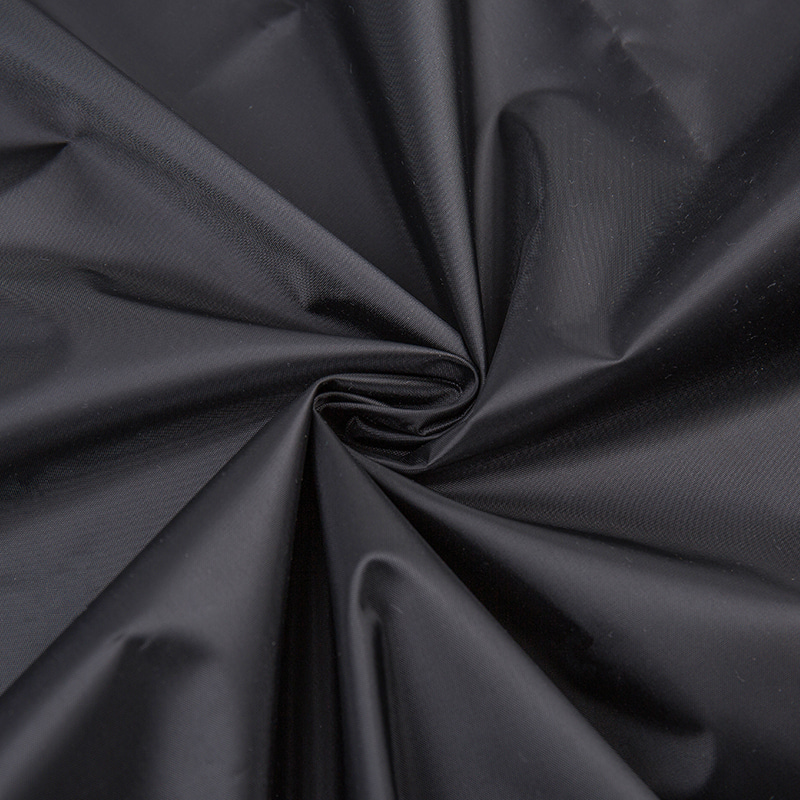
Nylon sunscreen fabric is a synthetic material designed to block ultraviolet (UV) radiation, providing protection from the sun’s harmful rays. This fabric is known for its durability, lightweight nature, and ability to resist wear over time. The fabric’s construction and coating allow it to effectively shield against UV rays, making it a suitable choice for clothing, outdoor gear, and accessories.
The effectiveness of nylon sunscreen fabric largely depends on its weave and the UV-blocking treatment applied to the material. Some key features that contribute to its UV resistance include:
While nylon sunscreen fabric is a reliable choice, several other fabrics are also designed to offer UV protection. Below is a comparison of nylon sunscreen fabric with other popular UV-resistant materials:
| Fabric Type | UV Protection Rating | Durability | Comfort | Cost Effectiveness | Best Uses |
|---|---|---|---|---|---|
| Nylon Sunscreen Fabric | High | Highly Durable | Light | Moderate | Outdoor clothing, hats, tents |
| Polyester | Moderate to High | Durable | Breathable | Low | Activewear, sportswear |
| Cotton with UV Treatment | Low to Moderate | Moderate | Soft | Low | Casual wear, summer clothing |
| Linen | Low | Moderate | Cool | Moderate | Summer garments, casual wear |
| Spandex/Elastane Blends | Moderate to High | Stretchable | Comfortable | Moderate | Sportswear, swimwear |
Polyester is another common UV-resistant fabric. While both polyester and nylon offer decent UV protection, nylon generally provides a higher level of resistance, especially when treated with special UV-blocking coatings. In terms of durability, both fabrics perform well, but polyester tends to be less breathable than nylon, making nylon more comfortable for extended wear in hot climates.
Cotton fabrics naturally offer minimal UV protection, but when treated with special coatings, they can offer some degree of sun resistance. However, compared to nylon sunscreen fabric, cotton-treated fabrics generally provide a lower level of UV protection and are less durable when exposed to prolonged sun exposure.
Spandex fabrics are often blended with nylon or polyester to create UV-resistant garments that are stretchable and form-fitting. While spandex offers comfort and flexibility, it typically provides lower UV protection compared to nylon sunscreen fabric, making it less suitable for long-term sun exposure.
High UV Protection: Nylon sunscreen fabric can block a significant percentage of harmful UV rays, protecting the skin from sunburns and long-term damage.
Durability: Nylon is highly resistant to wear and tear, making it suitable for repeated use in outdoor conditions.
Lightweight and Comfortable: Unlike heavier fabrics, nylon sunscreen fabric remains lightweight and breathable, offering enhanced comfort during hot weather.
Quick Drying: Nylon dries quickly when wet, making it ideal for beachwear, activewear, and outdoor sports.
Moisture-Wicking: Nylon’s moisture-wicking properties make it comfortable to wear during physical activities, ensuring a dry and fresh feel.
UPF Rating: When selecting UV-resistant fabrics, always check the Ultraviolet Protection Factor (UPF) rating. Fabrics with a higher UPF rating block more UV radiation.
Comfort: Consider the fabric’s breathability, moisture-wicking properties, and how it feels against the skin. Some UV-resistant fabrics, such as polyester, may feel stiff or uncomfortable in hot weather.
Durability: Some UV-resistant fabrics may degrade over time when exposed to constant sun, saltwater, or chlorine. Nylon tends to be more durable under these conditions than some other materials.
Care Requirements: Some UV-resistant fabrics may require special care, such as hand washing or avoiding high heat in the dryer. Be sure to follow the manufacturer’s care instructions to prolong the lifespan of your fabric.
Nylon sunscreen fabric is a strong contender in the world of UV-resistant materials, offering UV protection, durability, and comfort. While other fabrics such as polyester, cotton, and spandex blends can provide some UV protection, they typically don’t match the high-level protection offered by nylon sunscreen fabric. Whether you’re looking for clothing for outdoor activities, sun-protective accessories, or tents and shelters, nylon sunscreen fabric remains an choice for sun protection.
1. What is the difference between UV protection and UPF?
UV protection refers to the ability of a fabric to block harmful UV rays, while UPF (Ultraviolet Protection Factor) is a standardized rating system that measures the level of protection a fabric offers against UV radiation.
2. Can nylon sunscreen fabric be used for swimwear?
Yes, nylon sunscreen fabric can be used for swimwear, as it is lightweight, quick-drying, and offers UV protection. It is often used in water-resistant and water-sport apparel.
3. How long does the UV protection of nylon sunscreen fabric last?
The UV protection provided by nylon sunscreen fabric can last for several years if properly maintained. However, frequent washing, exposure to saltwater, or chlorine may reduce the fabric’s effectiveness over time.
4. Is nylon sunscreen fabric breathable?
Yes, nylon sunscreen fabric is generally lightweight and breathable, making it suitable for hot and humid weather conditions. Its moisture-wicking properties also help keep the skin dry and cool.

Canxing Textile Building, No.458Dongxin Road, Shengze Town, Wujiang District, Suzhou City, Jiangsu Province, China

+86-18816291909

+86-512-63620515

Crystal@canxingtex.com

Copyright © Wujiang Canxing Textile Co,.Ltd. Rights Reserved. Custom Elastic Woven Fabrics Manufacturers
Privacy 苏公网安备32050902101422



 English
 русский
 中文简体
中文简体 عربى
عربى