Exploring Four Way Stretch Elastic Fabrics: The Perfect Blend of Comfort and Flexibility
 Home / News / Industry news / Exploring Four Way Stretch Elastic Fabrics: The Perfect Blend of Comfort and Flexibility
  2026.01.01
 Industry news
In the world of textiles, comfort and flexibility are essential features that drive consumer choices. As modern fashion, upholstery, and medical industries demand more from fabrics, manufacturers are turning to innovative solutions that can balance durability, comfort, and stretch. One such solution is four way stretch elastic fabrics, a versatile and adaptable material that stretches both vertically and horizontally, providing unparalleled comfort and flexibility.
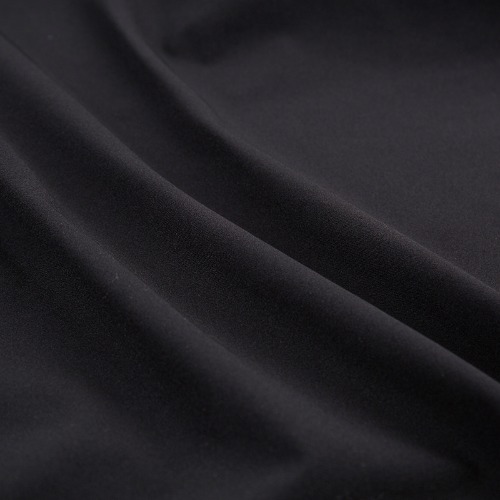
Four way stretch elastic fabrics are textiles that stretch in both directions — horizontally and vertically. This unique characteristic allows the fabric to adapt seamlessly to body movements, making it a popular choice for applications where comfort, flexibility, and durability are essential.
Typically, four way stretch fabrics are made from a blend of elastane (also known as spandex or Lycra) and other fibers such as polyester, nylon, or cotton. These fibers allow the fabric to stretch in both directions while retaining its shape and recovery. The result is a fabric that moves with the wearer, offering an exceptional fit and long-lasting performance.
The elastic properties of these fabrics make them ideal for high-performance and everyday wear, especially in activewear, sports, medical products, and home furnishings.
Four way stretch elastic fabrics are designed to provide comfort by conforming to the shape of the body. Unlike fabrics that only stretch in one direction, these materials move with you in every direction, ensuring a snug yet comfortable fit. Whether used in activewear or medical garments, they provide the necessary flexibility and freedom of movement, making them ideal for long periods of wear.
One of the standout features of four way stretch fabrics is their flexibility. The ability to stretch both vertically and horizontally means the fabric adapts perfectly to the body’s contours. This flexibility makes it a choice for garments that require a high degree of mobility, such as yoga pants, swimsuits, or athletic wear. The fabric’s stretchability ensures it doesn’t restrict movement, providing full range motion during physical activities.
Unlike traditional fabrics that may lose their elasticity after repeated use, four-way stretch elastic fabrics are designed to maintain their stretch and shape. The high-quality elastane fibers used in these fabrics allow them to recover quickly after stretching, ensuring they stay in top condition for an extended period. This durability makes them ideal for items that undergo frequent stretching and movement, such as activewear or furniture upholstery.
Many four way stretch elastic fabrics are engineered with moisture-wicking properties, allowing them to absorb sweat and allow air to flow through the fabric. This feature helps keep the wearer dry and comfortable during high-intensity activities or throughout long hours of wear. Breathable fabrics are crucial for preventing overheating and promoting comfort, especially in activewear or medical garments.
Four-way stretch fabrics are widely used in the fashion and activewear industries. Their ability to stretch in multiple directions makes them ideal for form-fitting garments such as yoga pants, leggings, sports bras, and swimsuits. These fabrics allow for comfort and flexibility during various activities, from running and cycling to swimming and yoga.
The flexibility and durability of four-way stretch elastic fabrics make them a great choice for upholstery applications. These fabrics are commonly used in automotive interiors, furniture coverings, and even in outdoor cushions. The fabric stretches to fit the contours of furniture, ensuring a tight and smooth finish while maintaining durability and resistance to wear and tear.
Four-way stretch fabrics are also used in the medical field, particularly for compression garments like bandages, braces, and stockings. These fabrics provide the necessary support while allowing full movement and flexibility, making them suitable for garments that need to stretch to fit around various body parts. They are also used for products such as orthotics and wound care.
Due to their durability and flexibility, four-way stretch fabrics are frequently used in the production of outdoor gear. Whether it’s for hiking pants, ski suits, or wetsuits, these fabrics provide the comfort and stretch required to handle various outdoor activities. The fabric’s flexibility allows wearers to move freely, whether climbing, skiing, or hiking, while still offering protection from the elements.
While both two-way and four-way stretch fabrics are designed to offer elasticity, four-way stretch fabrics are far in terms of flexibility. Two-way stretch fabrics only stretch in one direction, typically either horizontally or vertically. This means that while they can offer a good fit in one direction, they don’t provide the same level of adaptability as four-way stretch fabrics, which stretch in both directions. For example, activewear made from four-way stretch fabric will offer more comfort and flexibility during movement compared to items made from two-way stretch fabrics.
Four-way stretch fabrics tend to last longer than regular stretch fabrics due to their ability to recover after stretching. Unlike two-way stretch fabrics, which can become baggy and lose their shape after repeated use, four-way stretch fabrics maintain their elasticity and appearance even after extensive wear.
For athletes and those engaged in high-intensity activities, four-way stretch fabrics offer comfort. The fabric moves with the body, eliminating restrictions and providing full mobility. Whether for running, yoga, or weight training, these fabrics provide comfort and support.
Four-way stretch fabrics are made using advanced weaving or knitting techniques that allow for stretchability in all directions. Elastane fibers are blended with other fibers like polyester or nylon to create a material that is lightweight yet durable. The combination of elastane’s stretch properties with the strength of other fibers ensures that the fabric is both flexible and long-lasting.
The manufacturing process often involves knitting or weaving in a way that aligns with the natural stretch of the material. This allows the fabric to stretch without losing its shape or structure, ensuring long-term use.
The weight of the fabric is a crucial consideration when selecting four-way stretch materials. Lighter fabrics are for summer wear or activewear, while heavier fabrics are more suitable for colder climates or performance wear. The weight also affects the stretchability and recovery of the fabric, so it’s important to choose the right weight for the intended use.
The blend ratio of elastane to other fibers can significantly affect the stretch and feel of the fabric. A higher percentage of elastane results in more stretch, but may sacrifice durability, while a lower percentage will make the fabric more durable but with less flexibility. Balancing the ratio is key to achieving the desired performance.
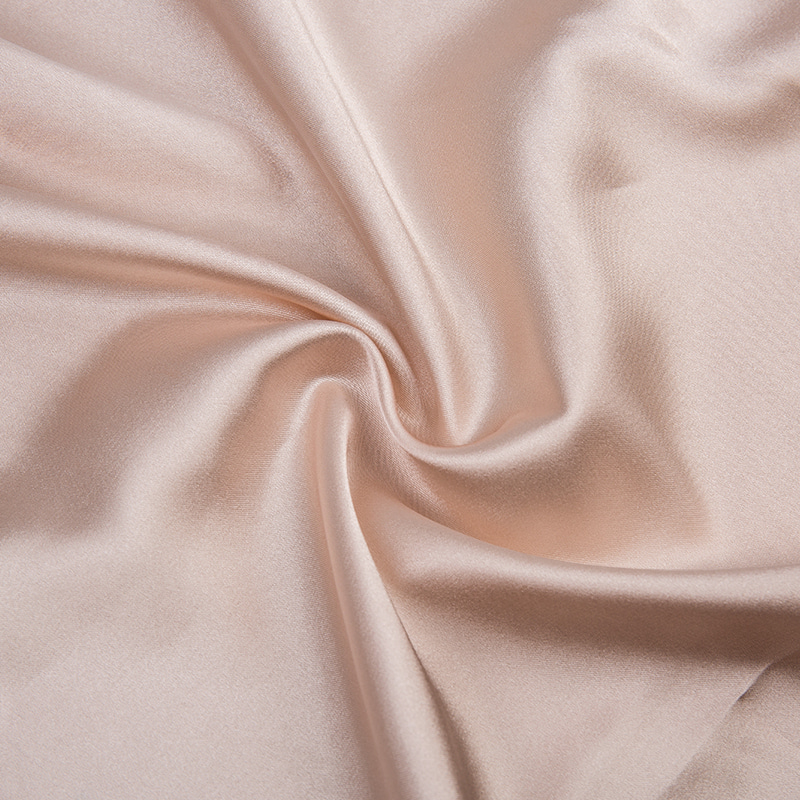
Some four-way stretch fabrics feature finishes such as a glossy or matte appearance, which can impact the overall feel and look of the garment. The finish also affects how the fabric reacts to wear and cleaning, with matte finishes often being more resistant to showing dirt and wear.
With sustainability becoming a major focus in the textile industry, many manufacturers are turning to eco-friendly materials for four-way stretch fabrics. Sustainable fibers such as recycled polyester and organic cotton are being incorporated into these fabrics to reduce environmental impact.
Innovative technologies are also being integrated into four-way stretch fabrics. Antimicrobial properties, moisture-wicking abilities, and UV protection are just a few examples of how these fabrics are evolving to meet the needs of modern consumers.
The demand for four-way stretch elastic fabrics is growing across various industries, including fashion, medical, and automotive sectors. As more people seek versatile, comfortable, and durable materials, the popularity of these fabrics is expected to rise.
| Fabric Type | Stretch Direction | Best Uses | Durability | Comfort Level |
|---|---|---|---|---|
| Four-Way Stretch | Stretch in all directions | Activewear, upholstery, medical wear | High | High |
| Two-Way Stretch | Stretch vertically or horizontally | Casual wear, light exercise clothing | Medium | Medium |
| Spandex Blends | Usually one direction | Sportswear, performance wear | High | High |
Four-way stretch elastic fabrics offer the blend of comfort, flexibility, and durability, making them an ideal choice for a wide range of applications. Whether in activewear, upholstery, medical garments, or outdoor gear, these fabrics provide the necessary stretch and recovery for extended use.
1. What is the difference between four-way stretch and two-way stretch fabrics?
Four-way stretch fabrics provide flexibility in both vertical and horizontal directions, while two-way stretch only stretches in one direction (either up/down or left/right).
2. What are some common applications for four-way stretch fabrics?
Common uses include activewear like leggings, sports bras, and yoga pants, as well as upholstery and medical garments.
3. How do four-way stretch fabrics maintain their shape after extended use?
The elastane or spandex fibers in the fabric help it retain its elasticity, ensuring that it doesn’t lose shape over time.
4. Are four-way stretch fabrics breathable?
Yes, many four-way stretch fabrics are designed with breathable, moisture-wicking properties to keep the wearer comfortable during physical activity.
5. Can four-way stretch fabrics be used in upholstery?
Absolutely, these fabrics are often used in upholstery for furniture and automotive interiors because of their durability and flexibility.
Recommended Products

Canxing Textile Building, No.458Dongxin Road, Shengze Town, Wujiang District, Suzhou City, Jiangsu Province, China

+86-18816291909

+86-512-63620515

Crystal@canxingtex.com

Copyright © Wujiang Canxing Textile Co,.Ltd. Rights Reserved. Custom Elastic Woven Fabrics Manufacturers
Privacy 苏公网安备32050902101422



 English
 русский
 中文简体
中文简体 عربى
عربى