How to Choose the Microfiber Nylon Fabric for Your Products?
 2026.04.03
 Industry news
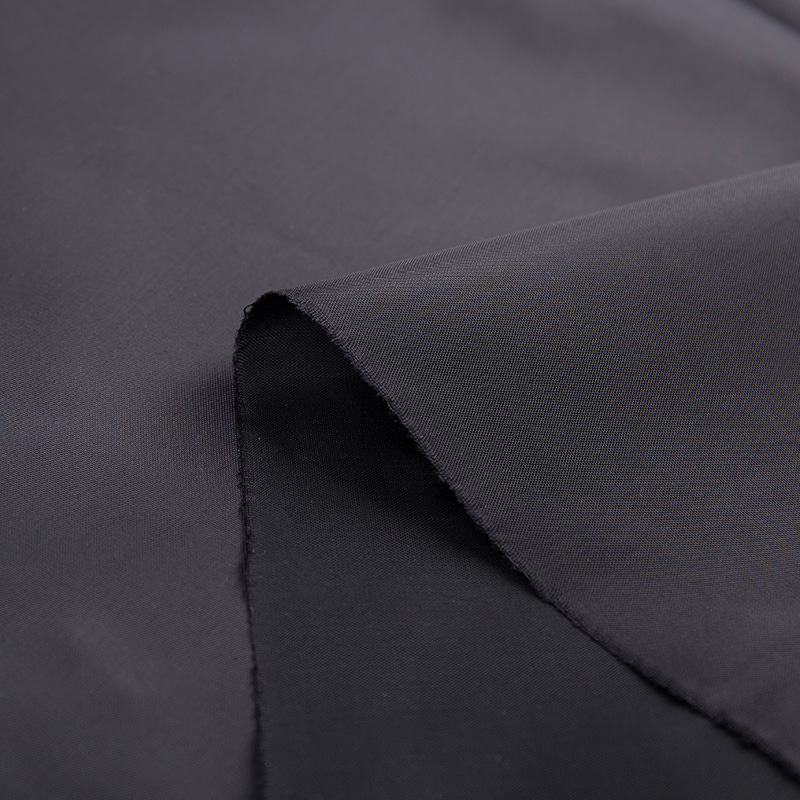
Microfiber nylon fabric is widely recognized for its strength, versatility, and durability. It is used in a variety of industries, from clothing and upholstery to cleaning products and outdoor gear. Choosing the right microfiber nylon fabric can be a daunting task due to the wide range of options available.
Microfiber nylon fabric is made from synthetic fibers that are finer than a strand of silk. These ultra-fine fibers are woven into a fabric that is incredibly lightweight, durable, and resistant to wear and tear. The unique structure of microfiber allows it to be highly absorbent, making it a popular choice for cleaning cloths, towels, and upholstery. The nylon component adds additional strength and flexibility, making it ideal for high-performance products.
Durability is a critical factor when choosing any fabric, and microfiber nylon is no exception. This fabric is known for its ability to withstand wear and tear over time. It resists abrasion and is less likely to fade, making it for products that will be subjected to frequent use, such as furniture upholstery or activewear.
Durability Comparison
| Fabric Type | Durability Score | Common Uses |
|---|---|---|
| Microfiber Nylon | 9/10 | Upholstery, Workwear, Sportswear |
| Cotton | 6/10 | Casual Apparel, Towels |
| Polyester | 7/10 | Outdoor Gear, Bags |
The texture of microfiber nylon fabric plays a significant role in determining the overall feel of the product. Microfiber nylon fabrics can be manufactured to be soft or textured, depending on the application. For example, a microfiber nylon fabric for cleaning might have a denser weave, while one used in apparel might be softer to the touch.
Another advantage of microfiber nylon fabric is its ability to repel water and absorb moisture. If you are designing products for outdoor use or applications that require moisture management, this fabric is a choice. Microfiber nylon can absorb up to seven times its weight in water, making it suitable for towels, cleaning cloths, and outerwear.
When choosing microfiber nylon fabric, it’s important to consider the weight of the material. Microfiber nylon fabrics come in various weights, with lighter weights being suitable for garments and heavier weights being better for upholstery or outdoor gear. The flexibility of the fabric ensures that it drapes well and maintains its form, making it ideal for both functional and fashion-oriented products.
Fabric Weight Comparison
| Fabric Weight (gsm) | Recommended Use |
|---|---|
| 80-150 gsm | Light Apparel, Lining |
| 150-250 gsm | Sportswear, Bags, Towels |
| 300-500 gsm | Upholstery, Heavy-Duty Gear |
One of the appealing features of microfiber nylon fabric is its ability to retain color. The fibers are dyed in a way that prevents the colors from fading quickly. For products that need to maintain their appearance over time, such as outdoor gear or uniforms, microfiber nylon is a choice.
As consumers become more eco-conscious, the environmental impact of the materials used in products becomes increasingly important. Microfiber nylon fabrics are often manufactured with less water and energy than natural fibers, making them more environmentally friendly in some instances. However, some microfiber fabrics may shed tiny fibers during washing, contributing to microfiber pollution in water systems.
Microfiber nylon fabric is highly versatile, with applications across various industries, including:
| Industry | Common Products |
|---|---|
| Apparel | Activewear, Outerwear, Sportswear |
| Home Goods | Towels, Upholstery, Cleaning Cloths |
| Outdoor Gear | Backpacks, Tents, Sleeping Bags |
To ensure that microfiber nylon fabric remains in condition, it’s essential to follow proper maintenance guidelines. The fabric should be machine-washed with mild detergent, avoiding the use of fabric softeners that can degrade the material. Air drying is often recommended to preserve the integrity of the fabric.
Choosing the microfiber nylon fabric for your products requires careful consideration of several factors, including durability, texture, absorbency, weight, and eco-friendliness. By understanding these factors and their impact on your products, you can select the fabric to meet your needs. Microfiber nylon fabric offers the strength, versatility, and performance necessary for a wide range of applications, making it a smart choice for manufacturers and designers alike.
1. What are the main benefits of microfiber nylon fabric?
Microfiber nylon fabric is durable, lightweight, absorbent, and resistant to abrasion. It is ideal for a wide range of products, including apparel, home goods, and outdoor gear.
2. Is microfiber nylon fabric eco-friendly?
While microfiber nylon fabrics are manufactured with less water and energy than natural fibers, they may contribute to microfiber pollution when washed. Choosing eco-friendly manufacturing processes can help mitigate this issue.
3. How should I care for microfiber nylon fabric?
Microfiber nylon fabric should be machine-washed with mild detergent and air-dried. Avoid using fabric softeners, as they can reduce the fabric’s effectiveness.
4. Can microfiber nylon fabric be used for outdoor gear?
Yes, microfiber nylon fabric is water-resistant and durable, making it a choice for outdoor gear such as backpacks, tents, and sleeping bags.
5. What industries use microfiber nylon fabric?
Microfiber nylon fabric is used in industries like apparel, home goods, and outdoor gear due to its durability, moisture-wicking properties, and versatility.
Recommended Products

Canxing Textile Building, No.458Dongxin Road, Shengze Town, Wujiang District, Suzhou City, Jiangsu Province, China

+86-18816291909

+86-512-63620515

Crystal@canxingtex.com

Copyright © Wujiang Canxing Textile Co,.Ltd. Rights Reserved. Custom Elastic Woven Fabrics Manufacturers
Privacy 苏公网安备32050902101422



 English
 русский
 中文简体
中文简体 عربى
عربى