What Makes a Good Wind Coat and Jacket Fabric? A Buyer Guide to Weight, Fiber and Finish
 Home / News / Industry news / What Makes a Good Wind Coat and Jacket Fabric? A Buyer Guide to Weight, Fiber and Finish
 2026.11.13
 Industry news
Buyers who search for wind coat and jacket fabric usually have a clear garment in mind but an unclear fabric brief. Words such as lightweight, premium or durable tell a supplier very little. A sourcing team needs measurable inputs: weight in grams per square meter, fiber content, coating type, water resistance rating, breathability, hand feel and the width and shrinkage tolerance that the cutting room expects.
When these details are written down before the first conversation with a mill, the sampling process becomes shorter and the number of revisions falls. This guide follows that logic. It walks through the specifications that matter most, explains how common finishes change real performance, and shows how to plan sampling and orders without unnecessary cost. If you are ready to compare current options, you can review the wind coat and jacket fabric range directly.
Four specifications determine most of how a wind-resistant woven fabric will behave in the finished garment. They interact with each other, so changing one usually affects the others. A heavier base cloth may resist wind better but feel stiffer. A tighter weave may improve water repellency but reduce airflow. Reading the specification as a system prevents surprises later.
Weight is the first number most buyers check, and it is measured in grams per square meter, written as GSM. Lighter fabrics drape well and pack small, while heavier fabrics hold shape and block more wind. The table below gives practical starting ranges for common outerwear categories.
| Garment type | Typical weight | Hand feel | Common use |
|---|---|---|---|
| Lightweight trench | 80 to 110 GSM | Crisp and smooth | Spring wind coats and rain layers |
| Mid-weight jacket | 110 to 150 GSM | Balanced and supple | Windbreakers and softshell jackets |
| Heavy-duty outer | 150 to 180 GSM | Firm and structured | Utility jackets and cold-weather shells |
Weight tolerance matters as much as the target. A fabric specified at 120 GSM with a tolerance of plus or minus 5 GSM will behave consistently across lots, while a loose tolerance can cause visible differences in drape between production batches.
Fiber choice governs strength, recovery, moisture behavior and the way a finish bonds to the surface. The most common options for this category are listed below.
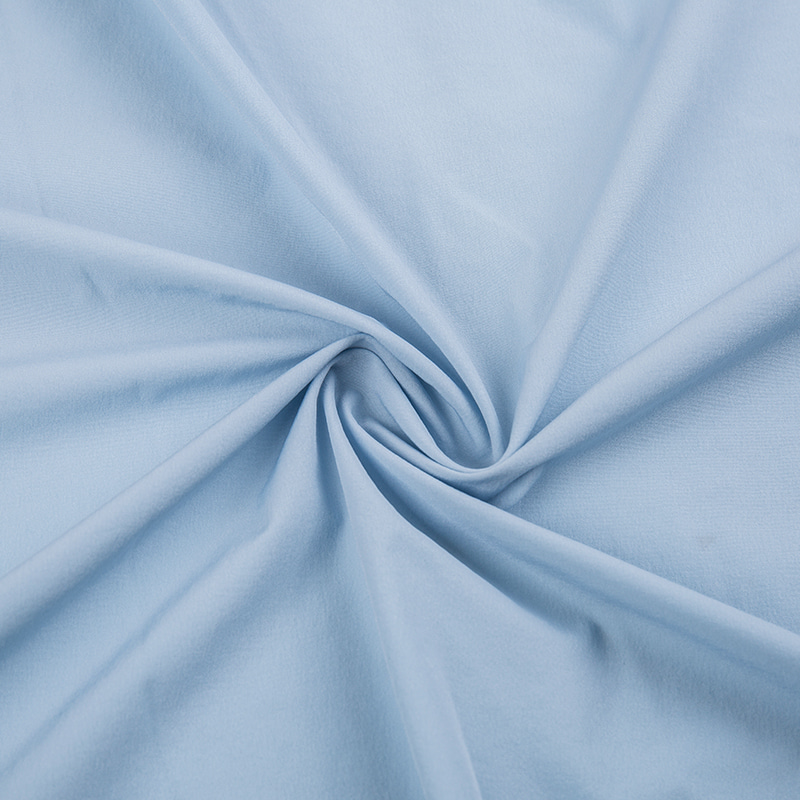
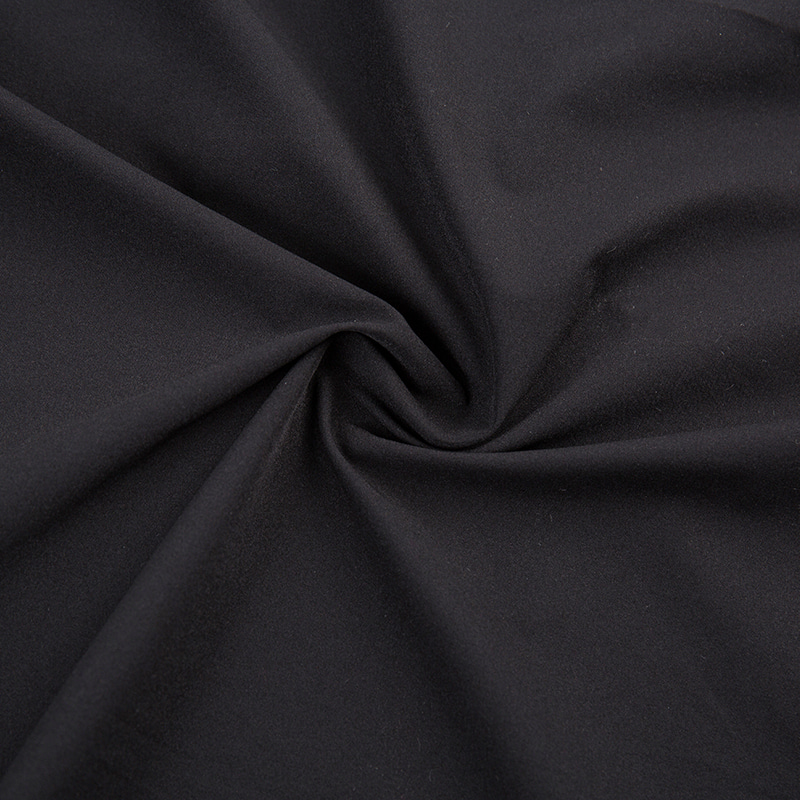
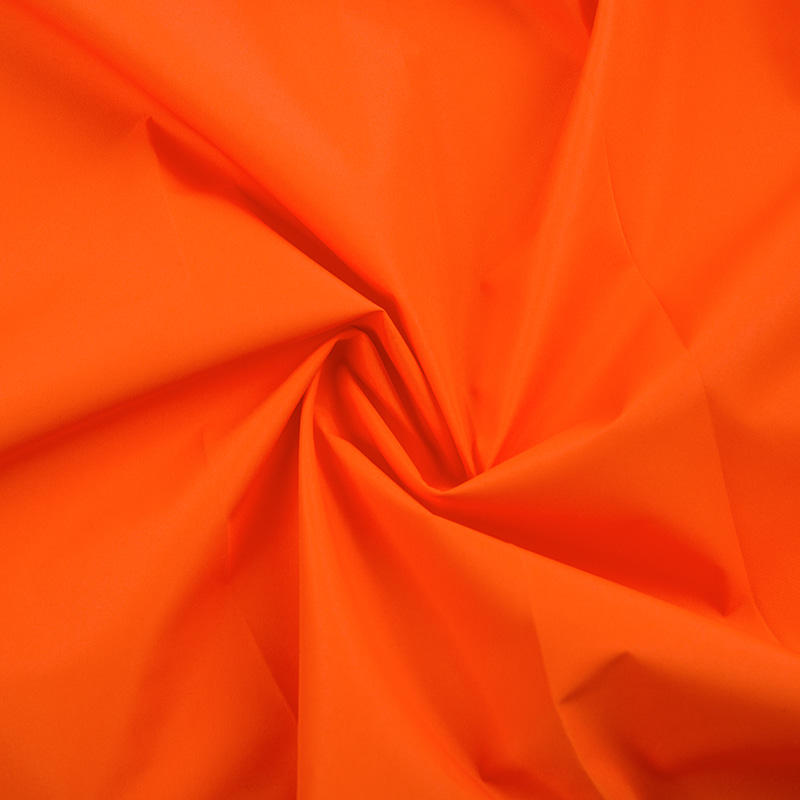
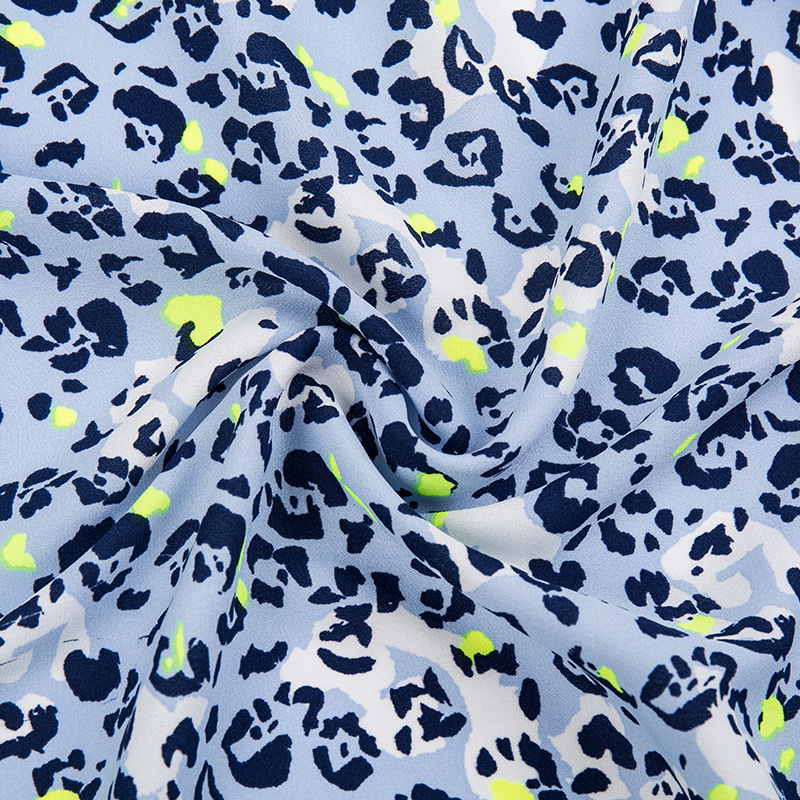
Hand feel is difficult to describe on a spec sheet, so experienced buyers request a physical lab dip or a sample swatch and compare it against a reference garment. Crisp hand suits trench coats and tailored silhouettes. Soft hand suits casual jackets worn close to the body. Surface appearance, whether smooth, peached, ribbed or matte, should also be confirmed on paper and in hand, because it affects how the coating looks after finishing.
Most wind coat fabrics are not a single material. A woven face fabric is usually combined with a coating, a membrane or a laminated backing to create the required function. Each layer adds protection, but each also changes weight and breathability. The diagram below shows a typical structure used in functional shell fabrics.
The right combination depends on the garment's job. A fashion trench needs windproofing and a clean look with minimal stiffness. A technical rain shell needs a higher water resistance rating and a membrane that can survive repeated washing without delamination.
Once the weight, fiber and finish are defined, the next step is to match the fabric family to the garment's silhouette and use. The table below summarizes four families that cover most wind coat and jacket programs.
| Fabric family | Feel | Key strength | Best for |
|---|---|---|---|
| Stretch polyester twill | Soft and flexible | Comfort and recovery | Softshell and fitted jackets |
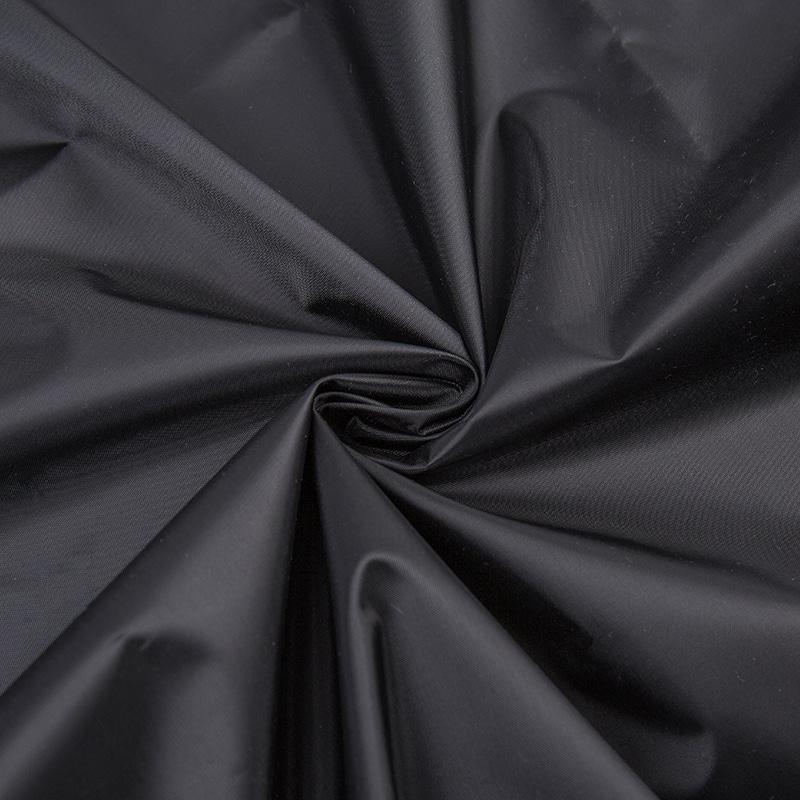
| Nylon taslon | Smooth with fine texture | Tear strength and wind resistance | Classic wind coats and rain shells |
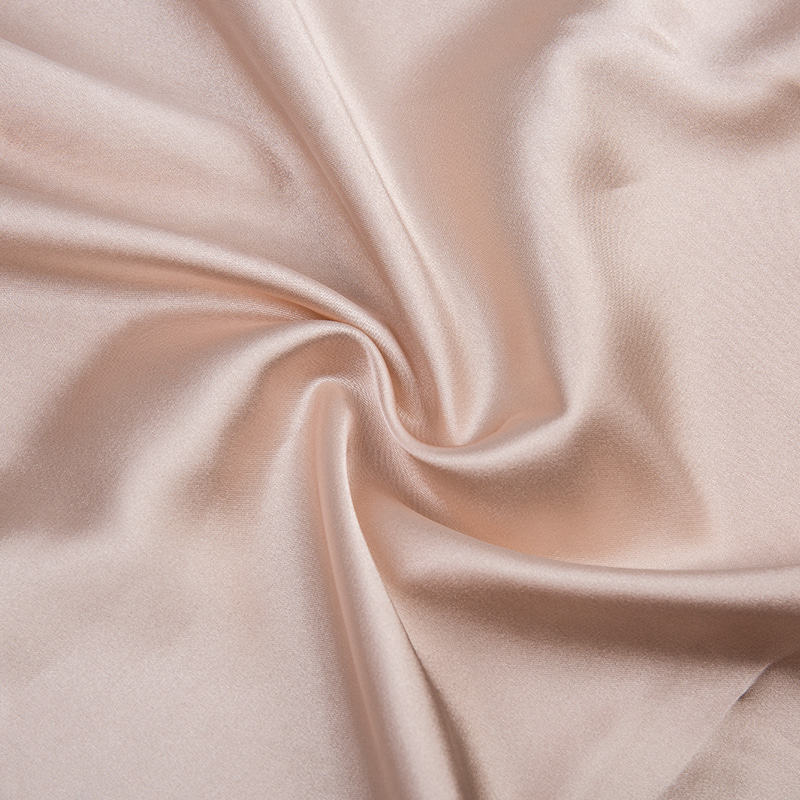
| Gabardine | Firm with a diagonal rib | Shape retention | Trench coats and tailored outerwear |
| Poly-spandex woven | Slim and supple | Movement and comfort | Slim-fit and sport jackets |
Gabardine is often chosen for garments that must hold a structured collar or belt line, because its tight twill resists creasing and keeps its shape through wear. Nylon taslon is frequently selected for lightweight outerwear where a strong, fine surface is needed and where a coating can be applied evenly. Stretch polyester twill performs well in garments that are worn for activity, since the added give improves freedom of movement without sacrificing structure.
Performance claims are only useful when the test method is known. Two numbers appear most often in outerwear fabric data: water resistance and breathability. They are measured under different conditions, so a high value in one category does not guarantee a high value in the other.
Hydrostatic head is expressed in millimeters and describes the height of a water column that a fabric can support before water passes through. Higher numbers indicate better resistance to pressure. Light water-repellent finishes may not reach the range that rain shells require, so the target rating should match the garment's intended weather exposure.
Breathability is commonly reported as moisture vapor transmission, measured in grams of water vapor passing through one square meter of fabric over twenty-four hours. A fabric with strong windproofing and a dense coating may have lower values, which is acceptable for a windbreaker worn in cool conditions but less suitable for garments used during physical activity. Buyers should request the test standard, the sample conditions and the number of test repetitions before comparing two fabrics.
A realistic example illustrates the trade-off. A brand-neutral sourcing team evaluated two candidates for the same spring jacket. The first had a higher water rating but felt warm after twenty minutes of walking. The second had moderate water resistance and better vapor transmission, which made it more comfortable for the intended use. The final choice was the second fabric, with a light water-repellent finish added for drizzle protection.
Most sourcing programs need some degree of customization, even when they start from a standard construction. Clarifying the options early keeps the development timeline predictable and avoids late changes that can add cost.
Requesting these options together in one brief gives the mill a complete picture. Sending a single request for a new color after development has started often triggers a repeat of the lab dip and a partial re-test of performance.
A well-run sampling process protects both the schedule and the budget. Most programs follow the same sequence, although the duration of each step depends on complexity and the number of revisions required.
Minimum order quantities for outerwear fabrics are usually expressed per color and per construction. A common planning approach is to group colors into fewer, larger runs rather than many small ones. Sample lengths are commonly negotiable for development work, but the final approval standard should be documented before the first sample is cut so that the production lot can be compared against it.
Fabric price per meter reflects more than the raw fiber. Several factors combine to set the final figure, and understanding them makes quotes easier to compare.
When comparing quotes, confirm that each one uses the same weight, width, finish and test standard. A lower price for a lighter weight or a weaker finish may not represent a real saving once the garment is produced.
Certain errors appear repeatedly in outerwear programs. Most can be prevented with a clear brief and a disciplined sampling schedule.
The questions below reflect the points that most buyers raise during early discussions about wind coat and jacket fabric programs.
Most lightweight wind coats perform well in the range of 80 to 110 GSM, which gives a crisp drape and easy packability. Heavier garments or outer layers intended for colder weather usually fall between 110 and 150 GSM. The final choice should follow the garment's purpose and the lining system used with it.
A water-repellent finish is suitable for light drizzle and short exposure. For sustained rain, a coating or membrane with a higher hydrostatic head rating is more reliable. Buyers should match the rating to the weather conditions the garment is expected to face.
Timelines vary with complexity, but a typical program moves through a lab dip, a strike-off and a fit test over several weeks. Each revision adds time, so a complete brief at the start is the most effective way to shorten the process.
Yes, development samples are commonly available in limited lengths. Sample quantities and any associated charges should be confirmed in writing before the request is made, along with the test results that will accompany the material.
Include the target weight, fiber preference, finish or performance rating, color references, intended garment type, expected order quantity and delivery timeline. A tech pack or garment photo helps the supplier recommend suitable options more quickly.
For teams that want to compare candidates side by side, the wind coat and jacket fabric selection and related options such as waterproof jacket fabric and windbreaker fabric can be reviewed against the specifications described in this guide.

Canxing Textile Building, No.458Dongxin Road, Shengze Town, Wujiang District, Suzhou City, Jiangsu Province, China

+86-18816291909

+86-512-63620515

Crystal@canxingtex.com

Copyright © Wujiang Canxing Textile Co,.Ltd. Rights Reserved. Custom Elastic Woven Fabrics Manufacturers
Privacy 苏公网安备32050902101422


 English
 русский
 中文简体
 عربى