Why Nylon Oxford Fabric Stands Out: How PVC Calendering Delivers Waterproof Strength and Breathable Comfort
 Home / News / Industry news / Why Nylon Oxford Fabric Stands Out: How PVC Calendering Delivers Waterproof Strength and Breathable Comfort
 2026.11.06
 Industry news
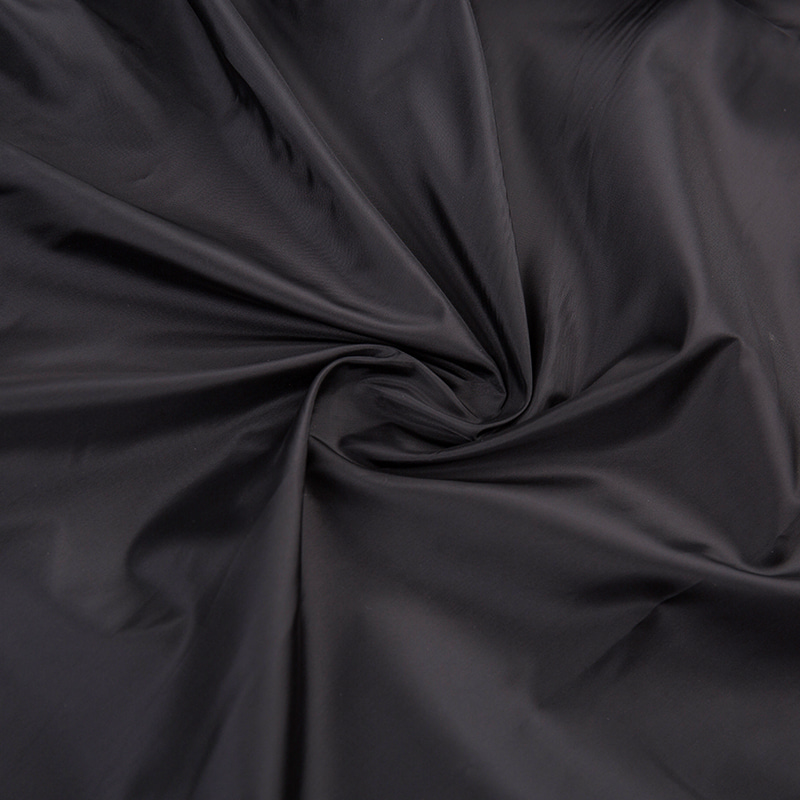
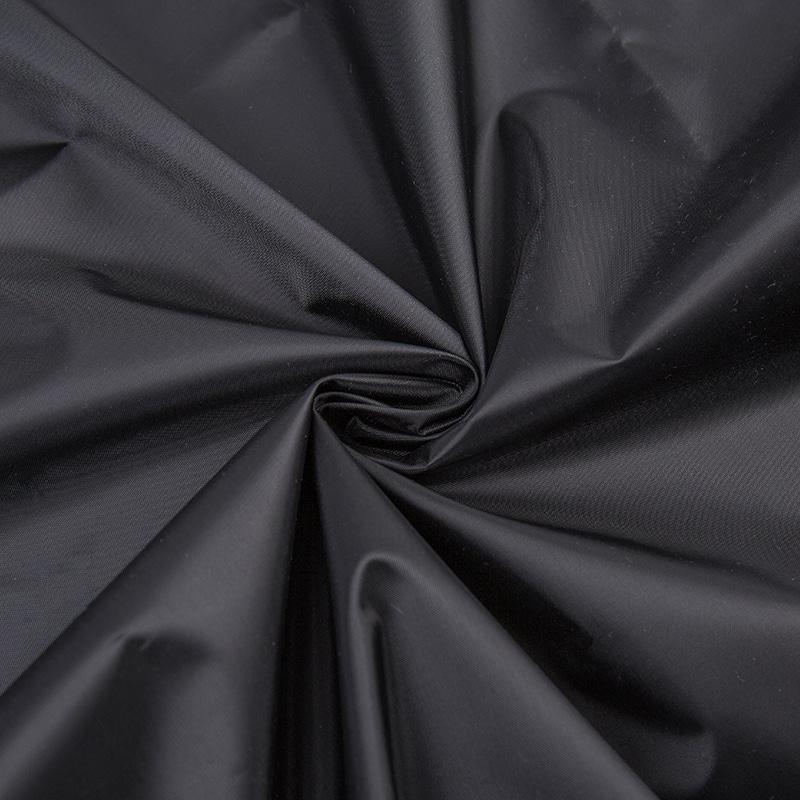
Buyers searching for a durable, lightweight, and weather-ready textile often end up comparing several woven options before choosing one. Among them, nylon oxford fabric has earned a reputation for combining tensile strength, abrasion resistance, and a smooth hand feel in a single material. Its basketweave structure, built from nylon filament yarns, gives it a textured surface that resists snagging while keeping the cloth light enough for garments, bags, and gear.
This article takes a practical look at how the material is constructed, how surface treatments change its performance, and what technical details matter when specifying it for a product. The goal is to help designers, sourcing teams, and product developers make informed decisions before requesting samples.
The defining feature of this textile is its yarn construction. Warp and weft yarns are arranged in a basket-style interlacing pattern, which distributes stress across more fiber intersections than a plain weave. The result is a fabric that tolerates repeated flexing, pulling, and rubbing without losing its shape. Nylon filament contributes elasticity and toughness, while the denier number indicates yarn thickness and directly influences weight and strength.
| Parameter | Typical Range | Why It Matters |
|---|---|---|
| Denier | 210D, 420D, and higher | Controls strength and surface density |
| Weight | 109 to 138 GSM | Affects drape, packability, and cost |
| Construction | Basket weave | Improves tear resistance and stability |
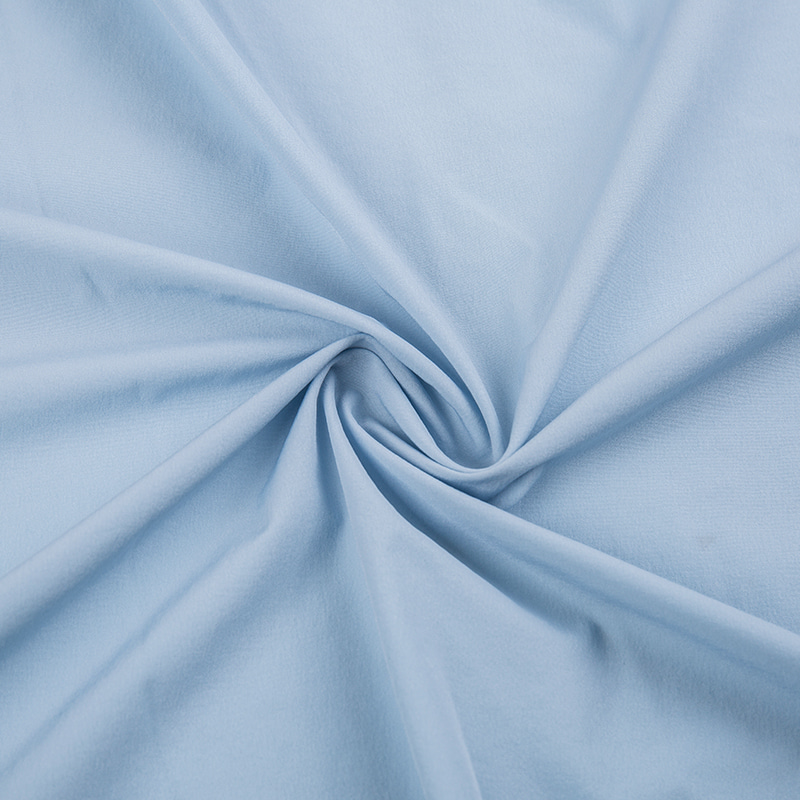
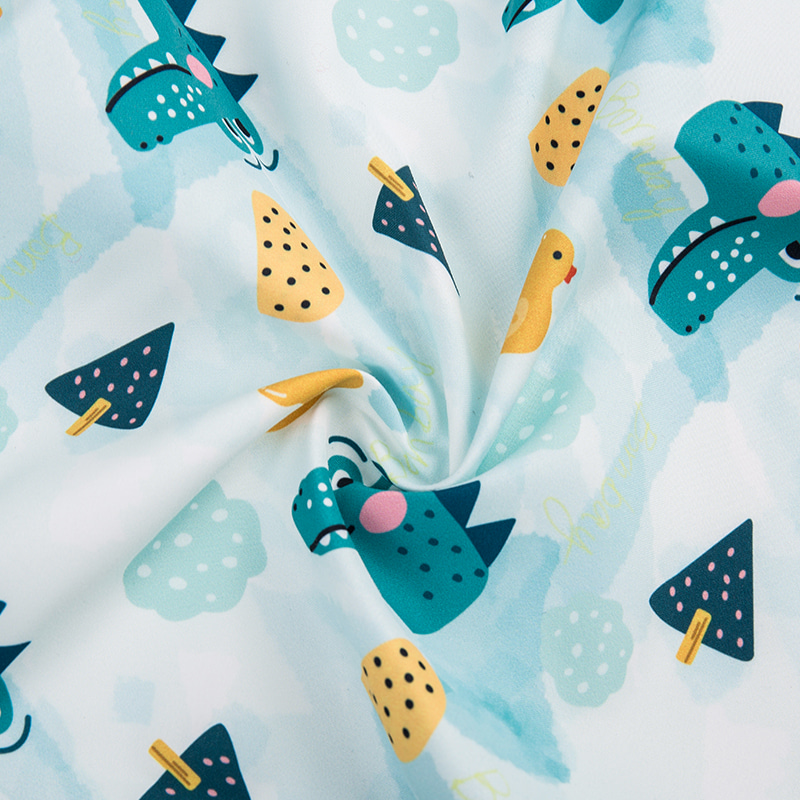
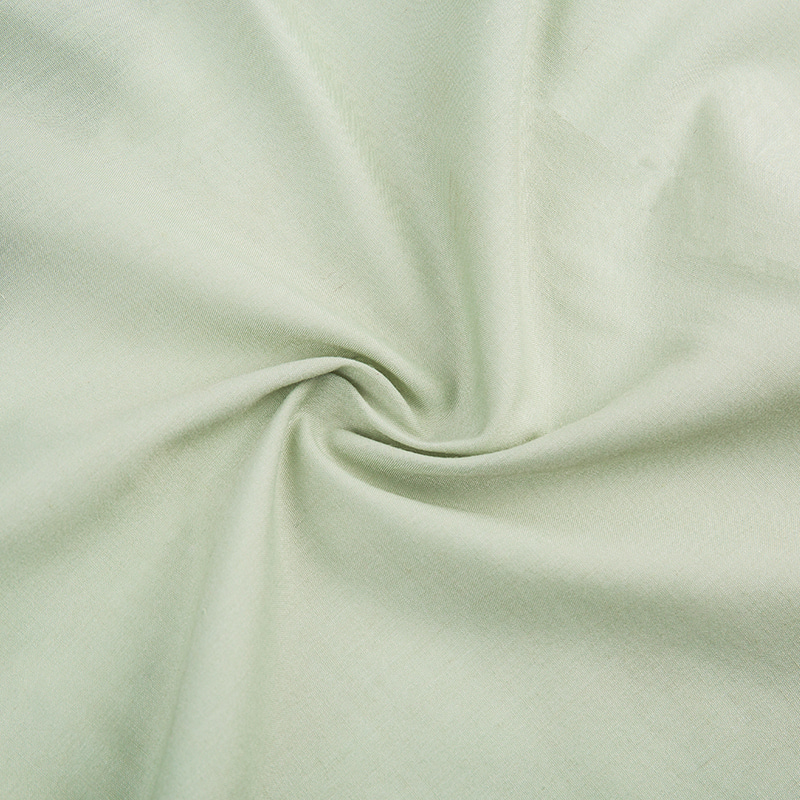
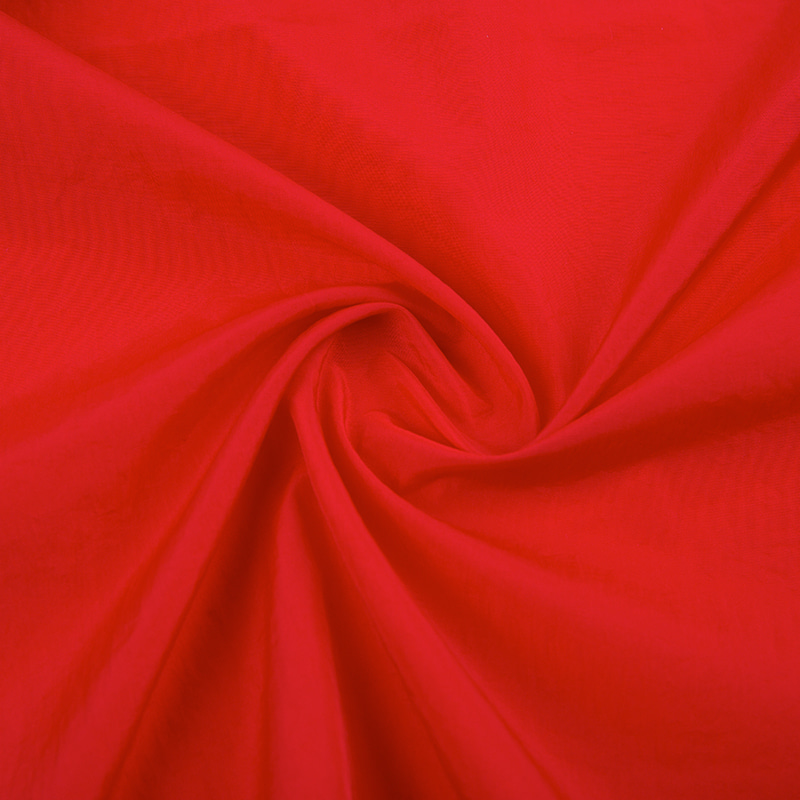
| Color | Solid colors and custom matches | Supports brand and product identity |
| Finish | Uncoated, PU, or PVC coated | Determines water resistance level |
Raw nylon cloth is porous, so it needs a surface treatment before it can serve as a protective layer. PVC calendering presses a polymer compound onto the base fabric under controlled heat and pressure, filling the gaps between yarns. The process is tuned so the coating forms a continuous barrier on the outer face while leaving a controlled network of micro-pores that allow vapor to escape.
A coating that is too thick traps moisture and heat, while one that is too thin lets water penetrate. Calendering allows fine control over coating thickness and penetration depth. When the pore size stays below the threshold for liquid droplets but above the size of water vapor molecules, the fabric resists rain while still allowing perspiration to pass outward. Manufacturers typically check hydrostatic head values and moisture vapor transmission figures to confirm this balance.
A well-calendered coating is judged less by how waterproof it feels in the hand and more by how consistently it performs across batches under standard test conditions.
Because the material balances strength, weight, and surface protection, it appears across several product categories. Outdoor apparel is the most visible application, particularly lightweight jackets and rain shells where a coated face keeps moisture out and a breathable interior keeps wearers comfortable during activity.
Jackets, vests, and pants that need tear resistance and light water protection.
Backpacks, duffels, and tool bags where abrasion resistance matters most.
Tent flys, sleeping bag shells, and equipment covers exposed to weather.
Machine covers, cargo liners, and storage sheets for dust and moisture control.
Lighter constructions around 109 GSM suit garments where packability and movement are priorities. Heavier options near 138 GSM or above are better for bags and covers that face repeated loading. Designers often run two or three weights through a simple field test before choosing one.
Many sourcing teams compare nylon and polyester versions of this construction before committing. Both perform well, but their strengths differ, and the right choice depends on the end use and budget.
| Factor | Nylon Version | Polyester Version |
|---|---|---|
| Tensile Strength | Generally higher | Good for most uses |
| Hand Feel | Smoother and softer | Firmer and more structured |
| Moisture Behavior | Absorbs slightly more moisture | Dries faster and holds shape well |
| Cost Position | Premium tier | Value oriented |
| Typical Fit | High-end outerwear and technical gear | Bags, budget apparel, and covers |
A specification sheet only describes intent. Consistent results depend on how the mill controls dyeing, coating, and finishing. Buyers who ask the right questions early avoid most problems that appear during production.
Share your target weight, color, coating preference, and order volume. A quotation and technical data sheet can be prepared from that information.
Request a Quote Ask for SampleThe base cloth is not waterproof on its own. Water resistance comes from a surface coating, most commonly PVC or PU. The level of protection depends on coating type, thickness, and how evenly the calendering was applied.
Yes, when the coating is calendered to form controlled micro-pores. Breathability is reduced compared with uncoated cloth but remains suitable for many active outdoor uses.
Lighter deniers such as 210D are common for jackets because they balance strength with packability. Heavier constructions are chosen for bags and covers that face more abrasion.
Custom colors are typically achievable through dyeing or pigmented coating compounds. Matching usually begins with a physical reference sample, and a lab dip is approved before bulk production.
Gentle washing with mild detergent, avoiding high heat in drying, and keeping the surface away from sharp abrasion will extend the service life of both the base cloth and the coating.
Selecting the right textile is a matter of matching construction, coating, and weight to a specific use. The combination of tensile strength, smooth hand feel, and controllable waterproof performance makes this material a flexible choice across apparel, bags, and outdoor equipment. Clear specifications, sample testing, and open communication with the mill remain the most reliable path to consistent results.
If you are preparing a specification for your next product, send your requirements for denier, weight, color, and coating type so the team can provide a detailed quotation and sample plan for your nylon oxford fabric project.

Canxing Textile Building, No.458Dongxin Road, Shengze Town, Wujiang District, Suzhou City, Jiangsu Province, China

+86-18816291909

+86-512-63620515

Crystal@canxingtex.com

Copyright © Wujiang Canxing Textile Co,.Ltd. Rights Reserved. Custom Elastic Woven Fabrics Manufacturers
Privacy 苏公网安备32050902101422


 English
 русский
 中文简体
 عربى