What Makes Digital Direct Printing Fabrics the Smart Choice for Modern Custom Apparel Sourcing?
 Home / News / Industry news / What Makes Digital Direct Printing Fabrics the Smart Choice for Modern Custom Apparel Sourcing?
 2026.11.27
 Industry news
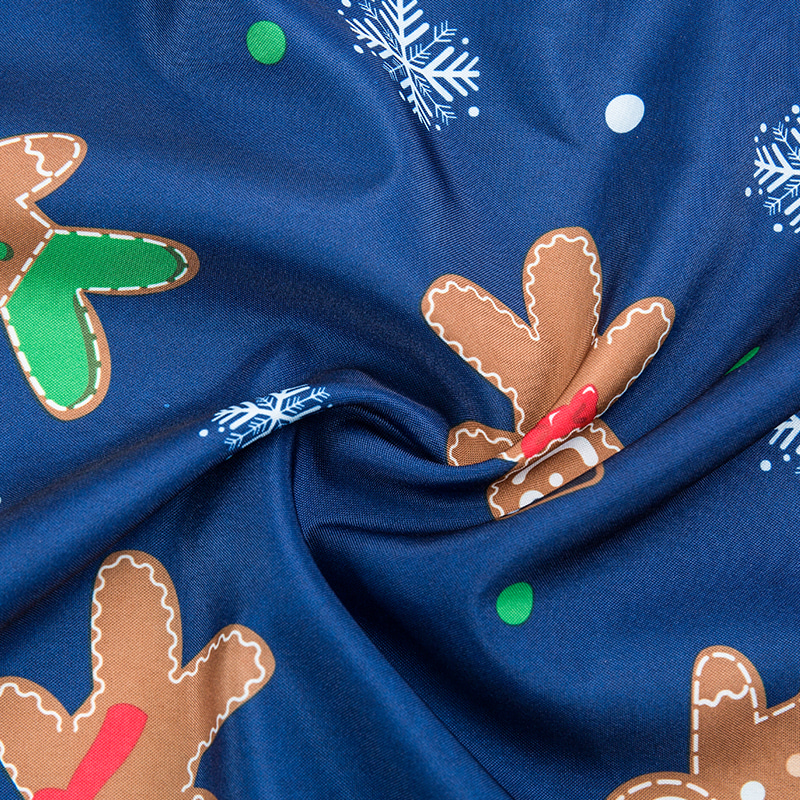
Fashion buying has changed. Small batches, faster drops and tighter inventory cycles now define how apparel brands plan their collections. Within that shift, digital direct printing fabrics have moved from a niche option to a mainstream sourcing route, because they let designers turn artwork into finished cloth without engraving screens or committing to large minimum runs.
This guide walks through the process, the fabric types that respond well to it, the trade-offs compared with traditional screen printing, and the practical steps for choosing a supplier who can deliver consistent quality at scale.
Understanding the workflow helps buyers ask better questions and set realistic expectations about color, timing and cost. The process has three core stages, and each one affects the final result.
Because no physical screen is involved, the same file can be reprinted instantly with changes to scale, colorway or repeat. This flexibility is the main reason sample cycles shrink from weeks to days.
No production method is perfect for every project. The table below summarizes where digital direct printing excels and where it requires more planning.
| Factor | Digital Direct Printing | Traditional Screen Printing |
|---|---|---|
| Setup cost | Low, no screens needed | High, one screen per color |
| Minimum order | Short runs are economical | Efficient only in long runs |
| Color detail | Photographic gradients possible | Limited by number of screens |
| Ink and machine cost | Higher per meter | Lower per meter at volume |
Fiber composition determines how ink absorbs, how colors appear and how well the print survives washing. Choosing the right base cloth is often more important than choosing the printer.
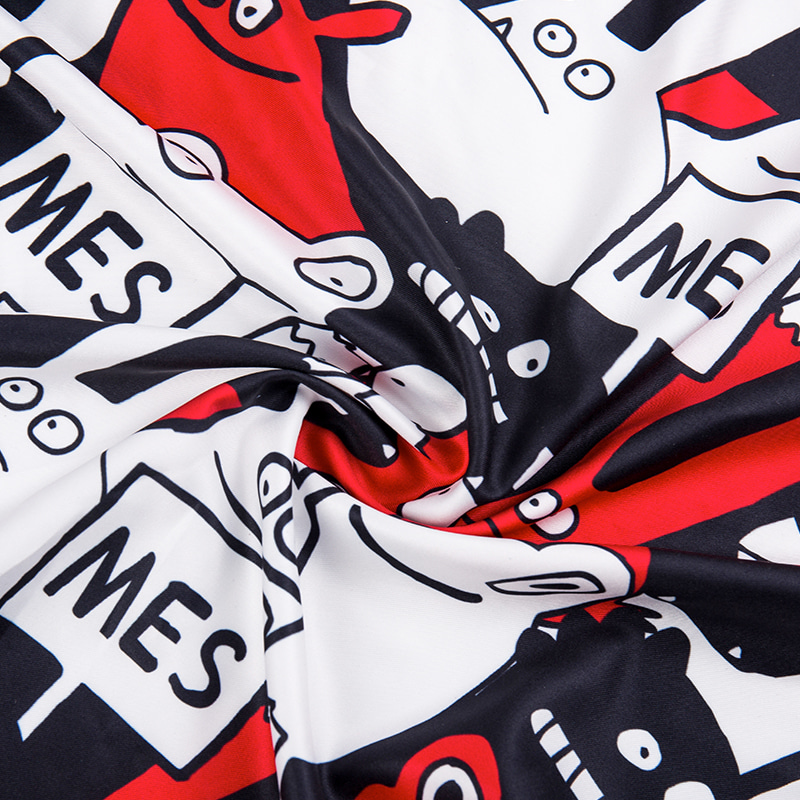
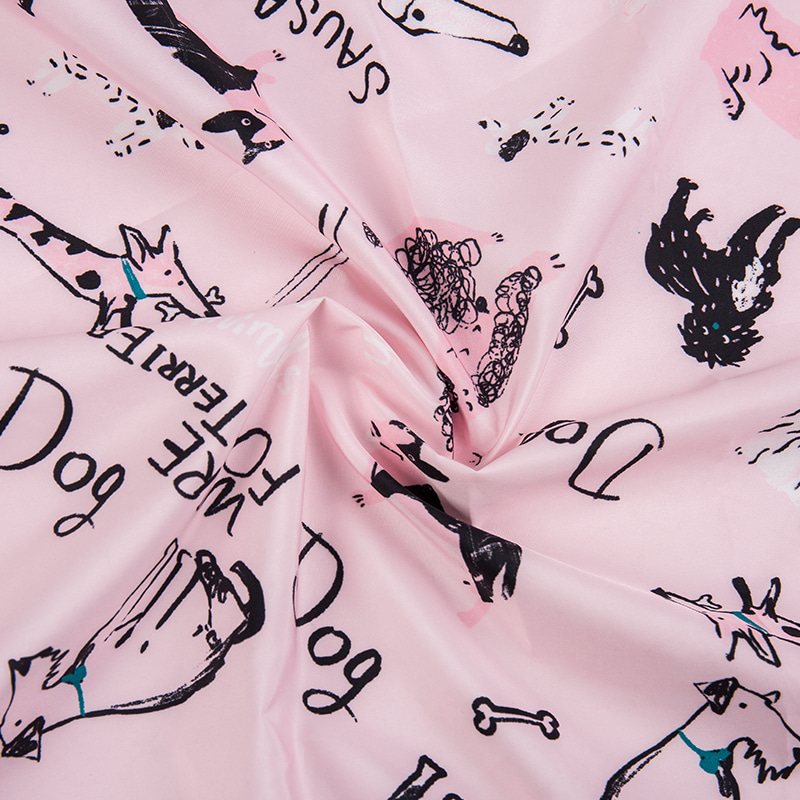
Rayon is one of the most responsive fibers for direct printing. Lightweight constructions in the range of roughly 120 to 135 GSM give fluid drape and bright color saturation, which suits dresses, blouses and lining-friendly designs. Many producers use a fine 30S by 30S count for smooth surfaces. For a dedicated option, see our rayon digital direct printing fabric range.
Polyester offers strong color yield, good dimensional stability and excellent wash durability when the dye is properly fixed. It is common in activewear, outerwear linings and home textiles.
Cotton gives a natural handle but needs reactive dye systems and thorough pretreatment. Blends balance comfort with fade resistance and are widely used in casual apparel.
Nylon suits lightweight beachwear and swimwear fabrics where bright, crisp prints matter. Canvas works well for totes and home décor, though heavier weaves require higher ink loading and longer fixation.
| Fiber | Print Brightness | Typical Use |
|---|---|---|
| Rayon | High | Dresses and blouses |
| Polyester | Very high | Activewear and linings |
| Cotton blend | Medium to high | Casual wear |
| Nylon | High | Beachwear |
Color durability is the first concern of most buyers after appearance. Performance depends on ink chemistry, pretreatment quality, fixation parameters and finishing discipline working together.
Screen printing still dominates very large single-color runs, but digital direct printing offers clear advantages when designs change frequently or when color count is high.
The chart illustrates the general pattern: digital cost per meter stays relatively flat across small and medium orders, while screen printing becomes cheaper only once setup costs are spread over large volumes.
A good supplier does more than print. Buyers should evaluate capacity, certifications, customization options, sampling policy and quality control before committing to a bulk order.
Because the process supports small runs and complex artwork, it fits a wide range of end uses. Brands with frequent seasonal drops often use it to test designs before scaling.
A clear brief shortens the path from first contact to approved bulk fabric. Prepare the following details so the supplier can quote accurately and suggest suitable constructions.
| Brief Item | Why It Matters |
|---|---|
| Fabric material and composition | Determines ink system and fixation method |
| GSM and width | Affects cost, drape and cutting plan |
| Pattern file and repeat size | Sets print scale and sampling needs |
| Order quantity | Drives unit price and lead time |
Once these inputs are clear, request a quotation and a swatch so that color and hand feel can be checked before production begins. Contacting digital direct printing fabrics specialists early helps align expectations on both sides.
Price depends on fiber composition, fabric weight, order quantity, pattern complexity and finishing requirements. Sending your specifications early makes it easier to receive an accurate quotation.
Properly fixed prints on suitable fibers show strong wash fastness. Results depend on ink type, fixation control and care instructions, so request test reports for your specific fabric.
Most suppliers offer swatch sampling so buyers can verify color, hand feel and print quality. Check the supplier's sample policy and any charges when you make your request.
Rayon in a lightweight construction around 120 to 135 GSM is widely preferred because it drapes well and holds vibrant color.
Lead time depends on order size, print complexity and finishing steps. Confirm a written schedule with your supplier before placing the order.
Whether you need wholesale volumes or custom runs in rayon, polyester, cotton blends or nylon, sharing your fabric composition, GSM, width and pattern requirements lets the team prepare a precise quotation and swatch. Submit your inquiry today to move from concept to production with confidence.Order Fabric Swatch
Recommended Products

Canxing Textile Building, No.458Dongxin Road, Shengze Town, Wujiang District, Suzhou City, Jiangsu Province, China

+86-18816291909

+86-512-63620515

Crystal@canxingtex.com

Copyright © Wujiang Canxing Textile Co,.Ltd. Rights Reserved. Custom Elastic Woven Fabrics Manufacturers
Privacy 苏公网安备32050902101422


 English
 русский
 中文简体
 عربى