Which Beach Pants Fabrics Are Most Resistant to Sand and Saltwater Damage?
 Home / News / Industry news / Which Beach Pants Fabrics Are Most Resistant to Sand and Saltwater Damage?
  2026.07.17
 Industry news
Beach environments present unique challenges for clothing materials. Sand particles, saltwater exposure, UV radiation, and constant moisture create conditions that degrade many conventional fabrics rapidly. The difference between a pair of beach pants that lasts one season and those that maintain their integrity for years lies primarily in fabric composition, weave structure, and manufacturing techniques.
When selecting beach pants fabrics, understanding how materials interact with these harsh environmental factors becomes essential. The ideal beach fabric must balance multiple competing requirements: water resistance, quick drying capabilities, sand repulsion, saltwater tolerance, and comfort for extended wear.
Polyester dominates the beach pants fabric market for good reason. This synthetic fiber demonstrates remarkable resistance to saltwater degradation. Unlike natural fibers that absorb moisture and weaken in saline environments, polyester's hydrophobic nature causes it to shed water rather than absorb it. The molecular structure of polyester remains stable when exposed to the combination of salt, chlorine, and UV rays that deteriorate other materials.
High-quality polyester beach fabrics typically feature a tight weave with 200-400 denier construction. This density prevents sand particles from embedding into the fabric while remaining breathable enough for hot weather wear. Polyester retains its color longer than most alternatives, maintaining vibrancy even after repeated saltwater exposure.
Nylon brings exceptional elasticity and durability to beach apparel. When combined with polyester in ratios of 15-30 percent nylon content, the resulting fabric gains enhanced stretch recovery and abrasion resistance. Nylon fibers resist salt corrosion effectively and create a smoother surface that sheds sand more readily than rougher weaves.
The elasticity of nylon-polyester blends provides superior comfort during active beach recreation. Swimmers and surfers particularly benefit from nylon's ability to recover its original shape after repeated wetting and stretching. However, nylon alone carries slightly higher moisture retention than pure polyester, making the blend approach optimal.
Modern beach shorts fabric increasingly incorporates recycled polyester derived from plastic bottle waste. This sustainable alternative performs identically to virgin polyester in beach environments. The recycling process doesn't compromise saltwater resistance, quick-dry properties, or durability. Recycled polyester maintains the hydrophobic characteristics essential for beach wear while supporting environmental sustainability goals.
Microfiber represents a specialized fabric type valued for ultra-fine weave density. These fibers measure less than one denier, creating extremely tight fabric construction that virtually eliminates sand infiltration. Microfiber beach fabrics offer superior water repellency and quick-drying capabilities. The dense weave protects against UV damage more effectively than coarser materials, extending the lifespan of dyed fabrics.
The fundamental mechanism protecting beach fabrics from sand damage involves weave density and fiber smoothness. Fine weaves with high thread counts create a barrier that prevents sand grains from penetrating the fabric matrix. When weave density exceeds 300 threads per inch, individual sand grains encounter surface tension that deflects them away from yarn intersections.
Smooth fibers like polyester present reduced friction for sand particles. Textured or fuzzy fabrics create tiny hooks that trap sand, leading to abrasion damage as particles dig into fibers during movement. Tightly woven smooth polyester essentially creates a non-stick surface for sand particles, allowing them to fall away during normal activity or simple rinsing.
Saltwater damage occurs through two primary mechanisms: ionic degradation of fiber structure and promotion of moisture retention that weakens fabric integrity. Synthetic hydrophobic fibers resist both mechanisms simultaneously. The water-repelling nature of polyester means salt ions remain on the fabric surface rather than penetrating the fiber structure. Without deep penetration, salt crystals cannot form within the material where they cause internal weakening.
When salt remains superficial, simple fresh-water rinsing removes the salt completely before it causes structural damage. Natural fibers like cotton or linen inherently absorb both water and dissolved salt, allowing mineral accumulation within the fiber network that leads to brittleness and premature failure. This fundamental difference explains why synthetic beach fabrics outlast natural alternatives by three to five times in saltwater conditions.
Beach fabrics face intense UV radiation that fades colors and degrades fiber strength. Modern beach pants employ two protective strategies: UV-absorbing chemical finishes and inherent fiber characteristics. Polyester naturally absorbs UV radiation more effectively than most natural fibers, converting harmful rays into harmless heat rather than allowing them to break chemical bonds in the fiber.
Quality beach fabrics often incorporate UV-stabilizing additives that provide additional protection without altering the fabric's hydrophobic properties. These finishes allow fabrics to maintain color saturation and structural integrity for multiple seasons of intensive beach use.
| Fabric Type | Saltwater Resistance | Sand Shedding | Quick Dry Speed | Durability |
|---|---|---|---|---|
| 100% Polyester | Excellent | Excellent | Very Fast | Very High |
| Polyester/Nylon Blend | Excellent | Very Good | Fast | Very High |
| Microfiber | Excellent | Superior | Very Fast | Excellent |
| Recycled Polyester | Excellent | Excellent | Very Fast | Very High |
Twill weaves create diagonal rib patterns that enhance structural strength while maintaining breathability. This weave type distributes stress across more fiber intersections, resisting tears and punctures from sharp sand grains or shell fragments. Twill construction provides approximately 15 percent greater tear resistance than comparable plain weaves while retaining rapid moisture evaporation.
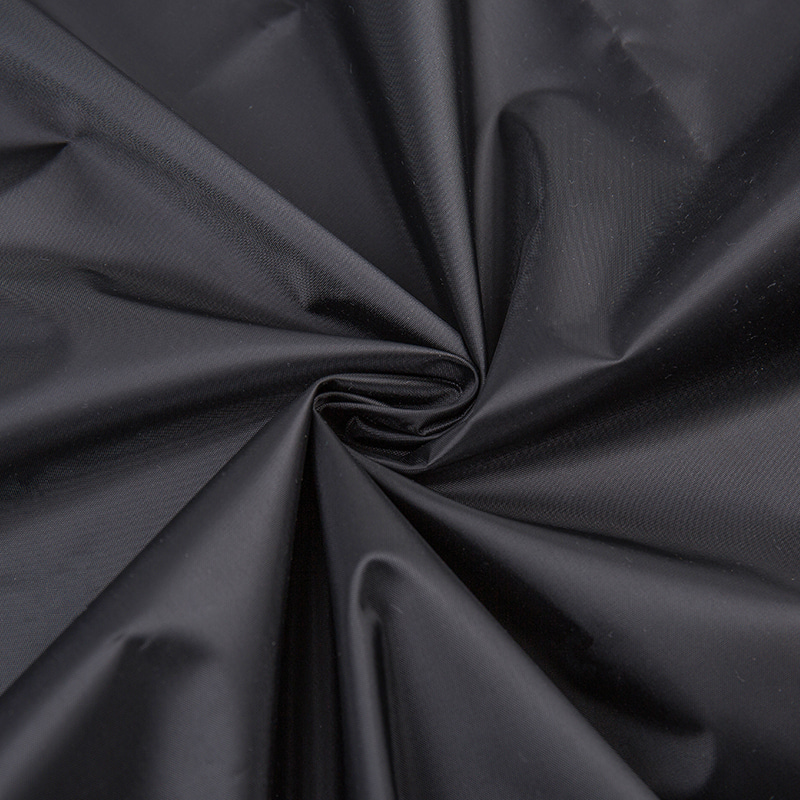
Taffeta represents an extremely tight plain weave that creates a smooth, almost plastic-like surface texture. This smooth exterior sheds sand particles exceptionally well while the dense construction prevents sand penetration. Taffeta fabrics dry extremely quickly and provide superior crease recovery, maintaining appearance even after extended compression in beach bags.
Knit fabrics for beach application utilize specialized yarn construction techniques that create air pockets within the material structure. These air pockets promote rapid moisture evaporation while the elastic nature of knits provides enhanced comfort and movement freedom. Modern jersey beach fabrics incorporate hydrophobic fiber treatments that prevent the moisture retention typically associated with knit constructions.
Advanced beach fabrics receive durable water-repellent (DWR) treatments that enhance natural hydrophobic properties. These microscopic coating layers create surface tension that causes water to bead and roll away. The same coating mechanism deflects salt spray, reducing the amount of salt that reaches the fiber surface. Quality DWR treatments maintain effectiveness through 30-50 wash cycles before requiring renewal.
Beach environments promote rapid bacterial and mold growth in constantly moist fabrics. Antimicrobial finishes suppress microbial proliferation without harmful chemical residue on the skin. These treatments extend the time between required washings and prevent odor development in stored beach wear, particularly important in humid storage conditions.
Specialized dyeing techniques combined with UV-protective finishes preserve color vibrancy despite intense sun exposure. Fiber-reactive dyes bond directly with polyester molecules, creating colorfast results that resist both saltwater leaching and UV fading. Premium beach fabrics maintain approximately 90 percent of original color saturation after one full season of regular beach use.
Chemical softeners improve wearing comfort without compromising performance characteristics. Advanced softening agents create smooth hand-feel while maintaining the tight weave density essential for sand resistance. These treatments prevent the stiff, plastic-like texture associated with highly technical beach fabrics.
Industry testing for beach fabrics employs mechanical abrasion methods that simulate sand particle contact. Fabrics undergo 10,000 to 20,000 abrasion cycles against standardized sand samples. Superior fabrics demonstrate minimal pilling, fraying, or color loss after these extreme tests. This metric directly correlates with real-world durability in sandy beach environments.
Saltwater resistance follows ASTM B117 standards that expose fabrics to continuous salt-fog environments. Premium beach fabrics complete 500+ hours of salt-fog exposure without significant fiber degradation, color shift, or loss of elasticity. This extended exposure simulates approximately three years of typical beach season use.
Quick-dry capacity gets measured through standardized water absorption and evaporation testing. Superior quick dry fabric achieves complete moisture evaporation from a saturated state in 45 to 60 minutes under moderate heat and air circulation conditions. This performance prevents the extended damp periods that promote mildew and skin irritation.
Fabrics undergo accelerated UV exposure testing using standardized light sources that simulate multiple seasons of direct sun. Color retention and fiber strength measurements occur at specified intervals. Premium beach fabrics retain at least 80 percent of original tensile strength and maintain color vibrancy after UV exposure equivalent to three full beach seasons.
Fresh-water rinsing immediately after beach exposure represents the single most important maintenance step. This simple rinse removes salt crystals before they accumulate and initiates the degradation process. A thorough fresh-water rinse removes approximately 95 percent of salt residue without requiring vigorous scrubbing that could damage fibers. Rinse temperature should remain cool to avoid setting any sweat stains that might resist later removal.
Machine washing in cold water with mild detergent preserves beach fabric integrity better than hand washing. The mechanical action of the washer removes embedded sand particles more effectively than manual methods. Warm or hot water accelerates fiber degradation in synthetics and can set protein-based stains. Avoid bleach completely, as chlorine degrades polyester resilience over time despite its saltwater resistance.
Air drying preserves fabric properties far better than machine drying. High heat accelerates oxidation of the polymer chains that constitute synthetic fibers, shortening overall fabric lifespan. Lay beach fabrics flat or hang them in shaded areas where air circulation promotes moisture evaporation without UV exposure that can cause yellowing.
Store dry beach pants in cool, dry conditions away from direct sunlight. Humidity promotes mold and mildew growth on fibers, even when the fabric feels dry. Sealed plastic storage containers should include silica gel desiccants to maintain low humidity levels. Avoid folding or creasing in the same locations consistently, as repeated stress concentrations can initiate wear patterns.
Modern beach manufacturers combine multiple fabric technologies within single garments. A common approach layers microfiber on the exterior surface for sand resistance and UV protection, backed by polyester-nylon blend for elasticity and durability. These hybrid constructions provide superior functionality compared to single-fabric options while managing cost considerations.
Recycled polyester receives identical protective treatments as virgin polyester but with sustainability benefits. The environmental impact of manufacturing beach pants decreases substantially when using reclaimed ocean plastics or post-consumer recycled materials. Performance characteristics remain identical, making recycled options increasingly popular among environmentally conscious consumers.
Seamless weaving eliminates stress concentration points where salt water and sand cause accelerated degradation. Traditional sewn seams create valleys where salt crystals accumulate and initiate fiber separation. Seamless construction extends overall garment lifespan by 20-30 percent by eliminating these vulnerable zones.
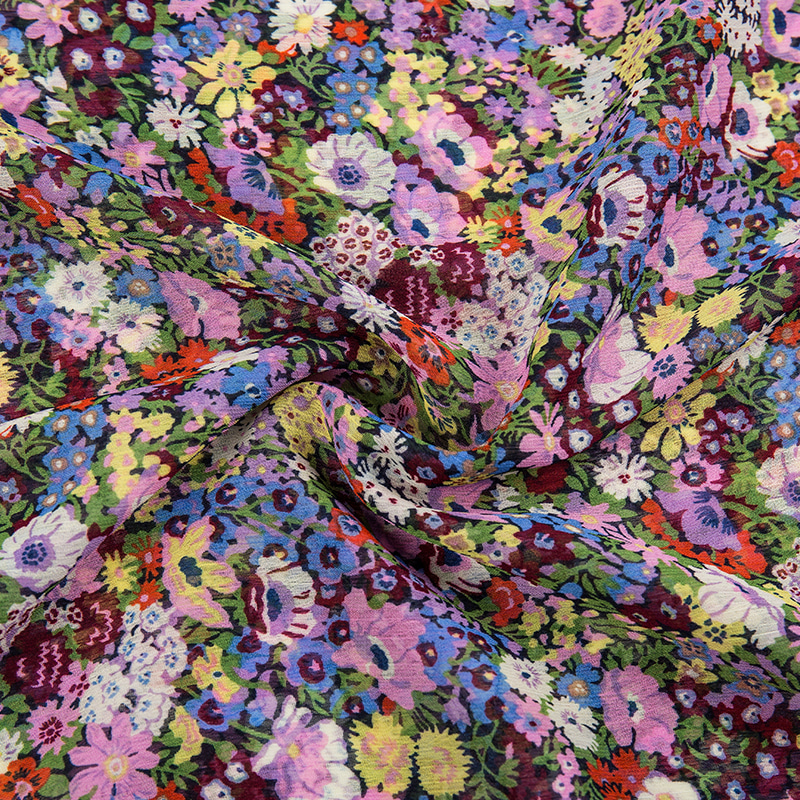
Modern dye techniques embed color within the fiber structure rather than coating the surface. This approach prevents color loss even in environments where surface-applied dyes fade rapidly. Digital printing technology applies dyes with precision that enables complex patterns while maintaining excellent color retention through saltwater exposure.
Casual beach-goers requiring moderate sand resistance can select quality polyester fabrics with standard DWR treatments. Those engaging in frequent swimming, surfing, or water sports benefit from microfiber or premium polyester-nylon blends that withstand constant sand and water contact. Competitive athletes may justify microfiber investments given the superior performance in extreme conditions.
Tropical and subtropical beach environments present more intense UV exposure and year-round saltwater conditions. These climates demand the most advanced treatments and densest weaves available. Temperate beach climates with shorter seasonal use allow for more moderate fabric specifications without compromising durability.
High-quality polyester beach fabrics offer exceptional value, providing excellent sand and saltwater resistance at moderate cost. Microfiber options justify premium pricing through superior performance and extended lifespan for intensive users. Recycled polyester provides an ethical choice without performance compromise, gradually decreasing in price as production scales increase.
Darker colors hide sand stains more effectively than light shades, reducing the frequency of washing required between beach sessions. Modern fabric technologies enable excellent color retention regardless of shade, allowing aesthetic preferences to guide selection without functional compromise.
Recycled polyester production consumes significantly less energy than virgin polyester manufacturing while diverting plastic waste from ocean environments. Using recycled polyester for beach apparel closes a meaningful loop, preventing the same materials that threaten marine ecosystems from harming beach wear durability. The environmental impact reduction reaches approximately 40-50 percent across manufacturing, transportation, and end-of-life cycles.
Synthetic beach fabrics require centuries to biodegrade in natural environments. However, the extended lifespan of quality beach pants means fewer garments reach landfills or oceans compared to poorly made alternatives requiring replacement every season. The net environmental impact favors durable synthetics over frequently replaced natural fiber alternatives.
DWR and antimicrobial treatments should comply with strict environmental standards that prevent harmful chemical leaching. Modern regulations require treatment formulations that degrade completely in aquatic environments without accumulating in ecosystems. Choosing products from manufacturers committed to environmental compliance supports broader industry sustainability improvements.
The fundamental factor determining saltwater resistance is fiber composition. Synthetic hydrophobic fibers like polyester prevent salt penetration into the fiber structure, allowing superficial salt deposits to wash away easily. Natural fibers inherently absorb both water and dissolved salts, allowing mineral accumulation that weakens structural integrity. Fiber composition creates the baseline resistance, which chemical treatments can enhance but not overcome.
Quality beach pants manufactured from advanced fabrics typically maintain full functionality for 3-5 years of regular seasonal use with proper care. Intensive daily wear during peak seasons may reduce lifespan to 2-3 years. Budget-conscious users should plan replacement cycles around typical durability ranges while recognizing that superior fabrics extend usable life significantly. Professional athletes and frequent swimmers may replace garments annually due to extreme wear patterns.
Natural fibers like cotton or linen experience dramatically accelerated degradation in saltwater environments. While they offer comfort advantages and environmental benefits, their moisture absorption properties allow salt accumulation within fibers. Even with exceptional care, natural fiber beach pants typically fail within one season of saltwater exposure compared to three to five seasons for quality synthetics. Natural fibers work better in freshwater or pool environments.
Water-repellent fabrics shed liquid on contact but allow vapor transmission, enabling breathability essential for comfortable beach wear. Waterproof fabrics block both liquid water and vapor, creating an impermeable barrier that traps moisture and body heat. Waterproof construction suits specialized applications like dry suits but proves uncomfortable for casual beach wear. Most quality beach fabrics employ water-repellent treatments that balance protection with breathability.
Quality indicators include weight specifications (generally 150-200 gsm for beach pants), tight weave density visible to the naked eye, and certification from testing standards organizations. Check garment care labels for washing recommendations suggesting cold water and air drying. Premium manufacturers provide detailed information about fabric composition and treatment technologies. Avoid excessively lightweight fabrics that suggest thin, sparse weaves prone to sand infiltration.
Thread count directly influences sand resistance and durability. Higher thread counts typically indicate tighter weaves that prevent sand penetration. Beach fabrics generally require minimum 200 threads per inch for adequate performance, with premium options exceeding 300 threads per inch. However, thread count alone doesn't determine quality; fiber composition and treatment technologies equally influence overall performance. Evaluate thread count alongside material information for complete assessment.
Proper care extends lifespan but cannot fundamentally improve initial fabric specifications. DWR treatments can be refreshed through commercial products, though results vary. Protective rinsing immediately after beach exposure represents the most effective performance-maintaining practice. Budget for eventual replacement rather than attempting to upgrade aging fabrics, as material fatigue eventually affects all garments regardless of maintenance quality.
Tight weaves and protective coatings essential for sand and saltwater resistance sometimes compromise softness. Quality manufacturers balance technical performance with hand-feel through careful fiber selection and finishing processes. Excessively rough beach fabrics often indicate either budget-oriented manufacturing or improper finishing. The best options feel comfortable against skin while maintaining superior technical performance.
Selecting beach apparel with appropriate fabric specifications ensures years of reliable performance in harsh saltwater and sandy environments. Synthetic hydrophobic fibers, particularly polyester and polyester-nylon blends, provide the most effective combination of saltwater resistance and sand shedding capabilities. Advanced construction techniques and chemical treatments dramatically extend functional lifespan compared to conventional fabrics.
The investment in quality beach pants fabrics pays dividends through extended usable life, superior comfort during beach activities, and reduced environmental impact from replacing garments less frequently. Understanding fabric composition, weave structure, and treatment technologies enables informed decisions that align with both performance requirements and budget considerations.
Proper post-beach care through immediate rinsing and appropriate washing procedures ensures that fabric durability potential translates into actual extended wearability. The combination of superior initial fabric selection and consistent maintenance creates beach pants that perform excellently for multiple seasons, making quality beach fabric investment a practical decision for anyone engaged in regular beach activities.
Recommended Products

Canxing Textile Building, No.458Dongxin Road, Shengze Town, Wujiang District, Suzhou City, Jiangsu Province, China

+86-18816291909

+86-512-63620515

Crystal@canxingtex.com

Copyright © Wujiang Canxing Textile Co,.Ltd. Rights Reserved. Custom Elastic Woven Fabrics Manufacturers
Privacy 苏公网安备32050902101422



 English
 русский
 中文简体
中文简体 عربى
عربى