Can Microfiber Nylon Fabric Replace Cotton? Pros and Cons
 2026.05.15
 Industry news
For centuries, cotton has been the undisputed king of natural fibers, prized for its breathability, softness, and biodegradability. However, the textile industry is now witnessing a steady rise in synthetic alternatives, among which microfiber nylon fabric stands out as a strong contender. Engineered for performance, this material is increasingly found in activewear, outdoor gear, and even everyday apparel. But can microfiber nylon fabric truly replace cotton on a broad scale? To answer that, we must weigh its advantages against its drawbacks across several key dimensions: durability, comfort, environmental impact, and maintenance.
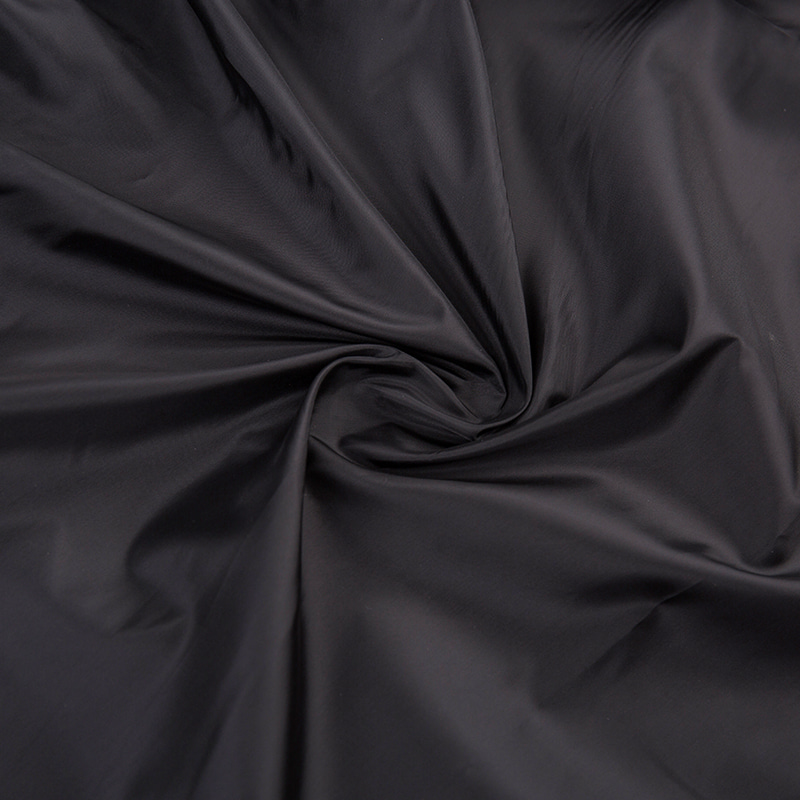
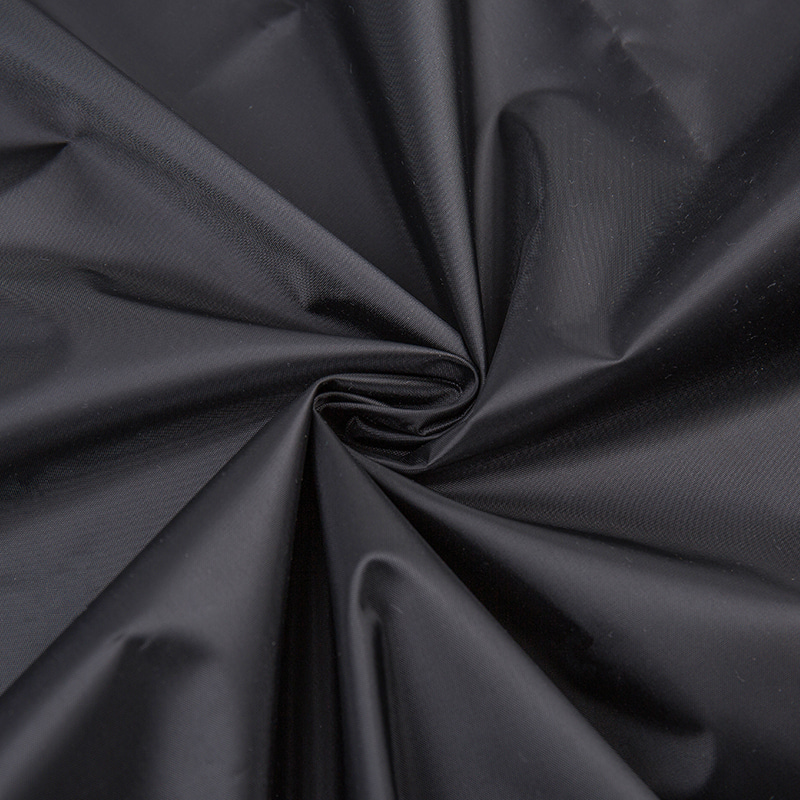
Microfiber nylon fabric is a synthetic textile made from extremely fine nylon filaments, typically less than one denier in thickness. These ultra-thin fibers are woven tightly to create a material that is lightweight, strong, and often water-repellent. Unlike traditional nylon, microfiber versions offer a softer hand feel and greater surface area, which enhances wicking and drying properties. Common applications include sportswear, travel towels, swimwear, and performance linings.
To understand its potential as a cotton substitute, we compare their core characteristics.
| Property | Cotton | Microfiber Nylon Fabric |
|---|---|---|
| Breathability | High | Low to moderate |
| Moisture wicking | Low (absorbs and holds) | High (spreads and evaporates) |
| Drying speed | Slow | Very fast |
| Durability | Moderate | High (abrasion-resistant) |
| Biodegradability | Yes | No |
| Static cling | Low | Moderate to high |
| UV resistance | Low | Moderate (can be treated) |
Cotton fibers tend to break down over time, especially under friction or repeated washing. Microfiber nylon fabric, by contrast, is highly resistant to abrasion, tearing, and stretching. Garments made from this material can outlast cotton counterparts by several years, reducing the frequency of replacement. This longevity is particularly valuable in workwear, outdoor equipment, and luggage.
One of cotton’s greatest weaknesses is its affinity for water. A cotton shirt can soak up several times its weight in moisture and remain damp for hours, causing discomfort and chafing. Microfiber nylon fabric does not absorb water; instead, it wicks moisture away from the skin and spreads it across the fabric’s large surface area, where it evaporates rapidly. This makes it ideal for intense physical activities, humid environments, and travel.
Because it holds almost no water, microfiber nylon fabric dries in a fraction of the time cotton requires. A cotton towel might take hours to dry, while a microfiber towel can be ready in minutes. This property also reduces energy consumption in machine drying, offering a potential ecological advantage during the use phase.
Microfiber nylon fabric is inherently thin and compressible. A jacket or sleeping bag liner made from this material can pack down to a fraction of the volume of a cotton equivalent. For backpackers, travelers, and minimalist consumers, this space efficiency is a major selling point.
Cotton wrinkles easily and absorbs spills, often requiring ironing and immediate stain treatment. Microfiber nylon fabric resists wrinkling due to its synthetic nature, and its tightly woven structure prevents liquids from penetrating quickly. Many stains can be wiped off without laundering.
The same tight weave that makes microfiber nylon fabric durable and water-resistant also limits airflow. In hot, still conditions, the fabric can trap body heat and moisture vapor, creating a clammy feeling. Cotton, with its porous, natural fibers, allows continuous air exchange, making it a choice for everyday wear in warm climates.
This is perhaps the significant barrier to replacement. Cotton is biodegradable and sourced from a renewable plant. Microfiber nylon fabric is a plastic-based material (nylon is a type of polyamide). Its production generates nitrous oxide, a potent greenhouse gas, and it sheds microplastic fibers during washing, which enter waterways and food chains. Unless washed with specialized filters, each load of microfiber clothing contributes to plastic pollution. Cotton, conversely, requires large amounts of water and pesticides—but its end-of-life impact is benign.
Nylon’s insulating properties cause static electricity to build up, especially in dry conditions. This causes garments to cling uncomfortably or attract dust and lint. Worse, microfiber nylon fabric tends to retain body oils and bacterial odors more stubbornly than cotton. Even after washing, some users report lingering smells in sportswear, a phenomenon less common with natural fibers.
Cotton is hypoallergenic and gentle on sensitive or eczema-prone skin. Microfiber nylon fabric, despite its softness, lacks the same natural breathability and can cause irritation through reduced ventilation and increased sweating. Some users also dislike the synthetic “slippery” feel against the skin.
Nylon melts at relatively low temperatures (around 220°C or 428°F), unlike cotton, which chars. This makes microfiber nylon fabric unsuitable for applications involving high heat, such as ironing (though it rarely needs ironing) or protective clothing against fire or sparks. Additionally, melted nylon can cause severe skin burns if it fuses to the body.
| Application | Cotton Suitability | Microfiber Nylon Suitability |
|---|---|---|
| Summer t-shirts | Excellent | Poor (too hot) |
| Sportswear | Poor (retains sweat) | Excellent |
| Bed sheets | Good (breathable) | Fair (sweaty, static) |
| Travel towels | Poor (slow drying) | Excellent |
| Work uniforms | Good | Good (but less breathable) |
| Outerwear linings | Fair | Excellent (light, wicking) |
| Underwear | Good | Mixed (moisture-wicking but less breathable) |
The answer depends entirely on the application. For high-performance scenarios—athletics, military gear, travel accessories, and humid-region clothing—microfiber nylon fabric already outperforms cotton in every functional metric except breathability. In these niches, it has largely displaced cotton. However, for everyday casual wear, bedding, underwear, and summer clothing, cotton remains due to its comfort, breathability, and natural origin.
A full replacement across all textile categories is neither desirable nor likely. Instead, the future points toward hybrid solutions: cotton blended with small amounts of microfiber nylon to improve durability and drying time without sacrificing breathability, or strategic use of each material where it excels. Consumers seeking a sustainable wardrobe might prioritize cotton for daily wear and reserve microfiber nylon for specialized, long-lasting performance gear—while always using washing bags or filters to catch microfibers.
Microfiber nylon fabric offers remarkable advantages in durability, drying speed, and moisture control—areas where cotton falls short. Yet its environmental footprint, poor breathability, and static cling prevent it from being a universal replacement. Rather than a direct competitor, it is a complementary textile. For consumers and manufacturers alike, the smartest path is not choosing one over the other, but matching the fiber to the function. Cotton will keep you cool in summer; microfiber nylon will keep you dry in a storm. Each has its place—and neither is going away.

Canxing Textile Building, No.458Dongxin Road, Shengze Town, Wujiang District, Suzhou City, Jiangsu Province, China

+86-18816291909

+86-512-63620515

Crystal@canxingtex.com

Copyright © Wujiang Canxing Textile Co,.Ltd. Rights Reserved. Custom Elastic Woven Fabrics Manufacturers
Privacy 苏公网安备32050902101422



 English
 русский
 中文简体
中文简体 عربى
عربى