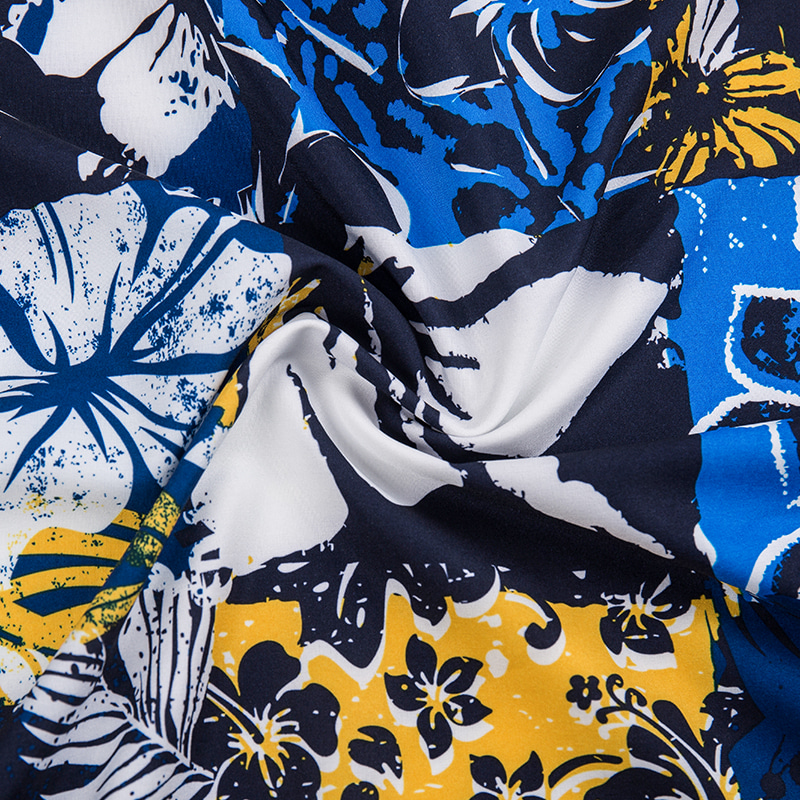
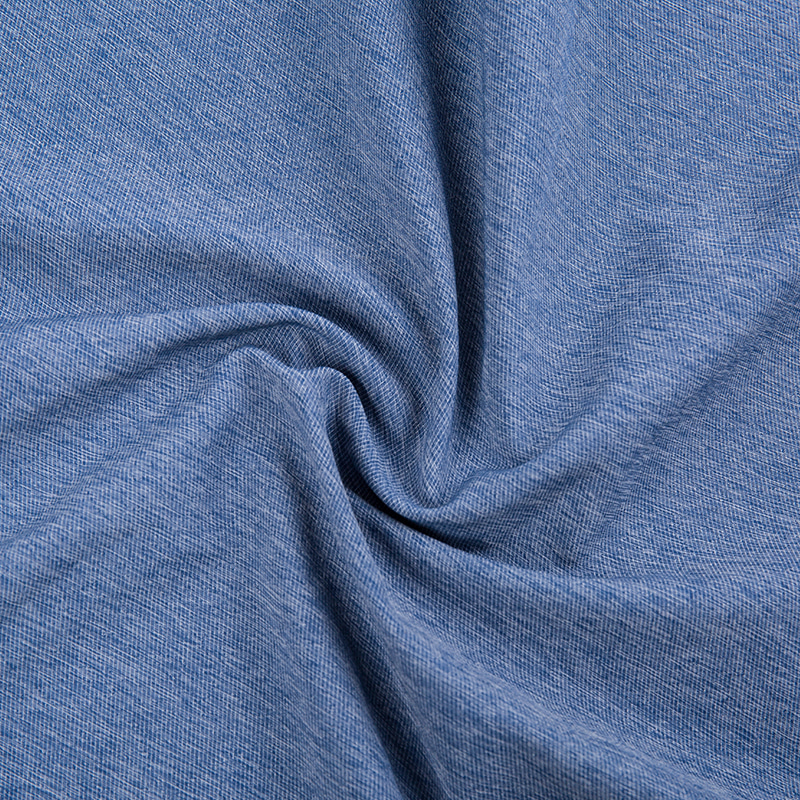
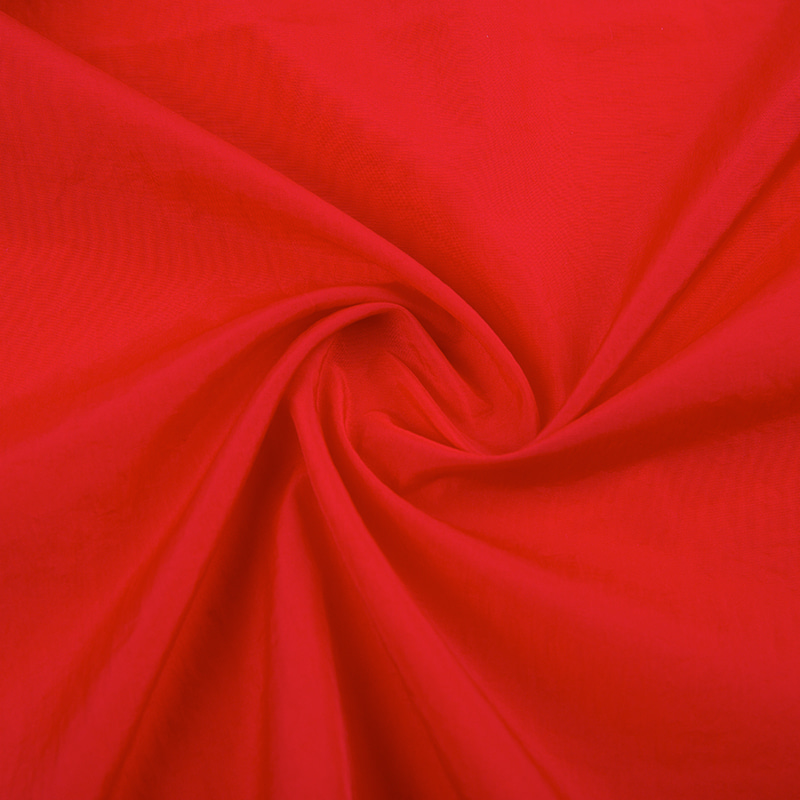
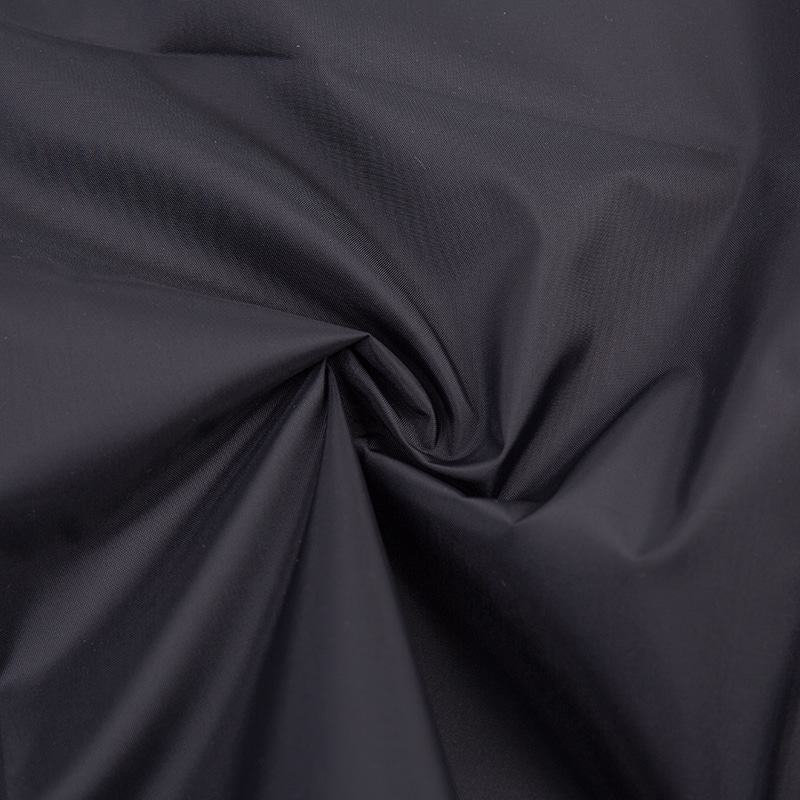
How to Choose the Right Fabric for Your Beach Pants for Ultimate Comfort?
 Home / News / Industry news / How to Choose the Right Fabric for Your Beach Pants for Ultimate Comfort?
  2026.05.08
 Industry news
Choosing the right beach pants fabric is one of the important decisions when selecting comfortable summer clothing. Beach pants are designed to provide freedom, breathability, and effortless movement while adapting to hot, humid, and often windy coastal conditions. The wrong fabric can feel heavy, trap heat, or become uncomfortable after exposure to moisture and sand.
Understanding fabric properties allows you to make better choices for style, performance, and long-term comfort. Whether for casual walks by the shore, resort relaxation, or outdoor summer activities, selecting suitable material ensures your beachwear performs exactly as needed.
Beachwear faces environmental challenges that everyday clothing often does not. Heat, moisture, direct sunlight, salt air, and sand can quickly expose weaknesses in poor-quality materials.
The ideal beach pants fabric should offer:
| Fabric Requirement | Why It Matters |
|---|---|
| Breathability | Helps release body heat and maintain airflow |
| Lightweight feel | Prevents heaviness and discomfort |
| Moisture management | Dries quickly after water exposure |
| Soft texture | Reduces skin irritation |
| Durability | Withstands repeated washing and sun exposure |
| Flexibility | Supports movement and relaxation |
When these qualities combine effectively, the result is comfortable beachwear that remains functional throughout the day.
Natural fibers remain a popular choice for beach pants because of their softness and breathability.
Cotton is widely appreciated for its softness and natural airflow. Lightweight cotton beach pants feel comfortable against the skin and absorb moisture effectively.
Advantages include:
However, cotton absorbs water slowly and may remain damp longer after swimming or heavy perspiration.
Cotton works for:
Linen is often considered one of the choices for beach pants fabric because of its cooling properties.
Benefits include:
Linen’s slightly crisp texture allows air circulation between the skin and fabric, creating natural cooling even in heat.
Potential drawbacks:
For tropical climates and all-day beach comfort, linen performs exceptionally well.
Rayon-based fabrics provide softness and fluid drape that create elegant beachwear silhouettes.
Advantages:
These fabrics offer strong visual appeal but may lose durability when exposed to excessive moisture unless specially treated.
They are ideal for:
For more active beach environments, synthetic blends often outperform natural materials.
Modern polyester fabrics have improved significantly in comfort and breathability.
Benefits include:
Polyester blends are often engineered to mimic natural softness while offering better resistance to moisture and stretching.
Ideal uses:
Nylon is lightweight, resilient, and highly moisture-resistant.
Key advantages:
Its performance-driven characteristics make it ideal for beach pants intended for movement-intensive activities.
Best for:
Fabric thickness strongly affects wearability.
A light beach pants fabric typically offers airflow and flexibility, while heavier fabrics may provide structure but reduce comfort in high temperatures.
General comparison:
| Fabric Weight | Comfort Level in Heat | Best Application |
|---|---|---|
| Ultra-light | Excellent | Hot climates |
| Mid-weight | Balanced | Versatile wear |
| Heavy-weight | Moderate | Evening coastal weather |
Light to medium-weight fabrics usually offer the balance for beach conditions.
Beachwear should move naturally with the body.
Fabrics with slight elasticity improve comfort during activities like:
Blended fabrics with minimal stretch fibers often enhance freedom without sacrificing structure.
Too much stretch, however, may reduce breathability and create heat retention.
Beach environments can amplify skin sensitivity due to saltwater and heat.
A smooth, soft beach pants fabric reduces friction and discomfort. Rough or stiff materials may irritate skin after prolonged wear.
Before choosing fabric, consider:
Soft-touch materials improve overall relaxation and comfort.
Constant sunlight gradually weakens fibers.
High-quality fabrics maintain appearance and structure even after repeated UV exposure.
Look for materials that resist:
This ensures beach pants remain visually appealing over multiple seasons.
The fabric depends on intended use.
| Beach Activity | Recommended Fabric |
|---|---|
| Casual lounging | Cotton, linen |
| Resort dining | Rayon, viscose |
| Active recreation | Nylon blends |
| Frequent travel | Polyester blends |
| Tropical humidity | Linen |
Choosing based on lifestyle ensures comfort and practicality.
Proper care extends fabric lifespan.
Best practices include:
Simple maintenance preserves softness and structural integrity.
Selecting the ideal beach pants fabric requires balancing breathability, softness, durability, and intended use. Natural fibers like linen and cotton offer exceptional comfort for relaxed wear, while synthetic blends provide practical performance for active lifestyles.
The right fabric transforms beachwear from simple clothing into a reliable comfort essential. By understanding airflow, texture, moisture control, and flexibility, choosing beach pants becomes a smarter investment in both style and everyday comfort.
1. What is the breathable beach pants fabric?
Linen is often considered the breathable due to its natural airflow and cooling properties.
2. Are synthetic fabrics suitable for beach pants?
Yes. Modern polyester and nylon blends offer quick drying and durability for active beachwear.
3. Is cotton good for humid beach weather?
Cotton is comfortable but may absorb moisture and dry slowly compared to linen or synthetic blends.
4. Should beach pants fabric stretch?
A slight stretch improves mobility, but excessive elasticity may reduce airflow.
5. How can I make beach pants last longer?
Wash gently, avoid harsh heat, rinse after salt exposure, and store properly to preserve fabric quality.
Recommended Products

Canxing Textile Building, No.458Dongxin Road, Shengze Town, Wujiang District, Suzhou City, Jiangsu Province, China

+86-18816291909

+86-512-63620515

Crystal@canxingtex.com

Copyright © Wujiang Canxing Textile Co,.Ltd. Rights Reserved. Custom Elastic Woven Fabrics Manufacturers
Privacy 苏公网安备32050902101422



 English
 русский
 中文简体
中文简体 عربى
عربى