A Buyer’s Guide: Key Features to Look for in Four Way Stretch Fabrics
 2026.05.01
 Industry news
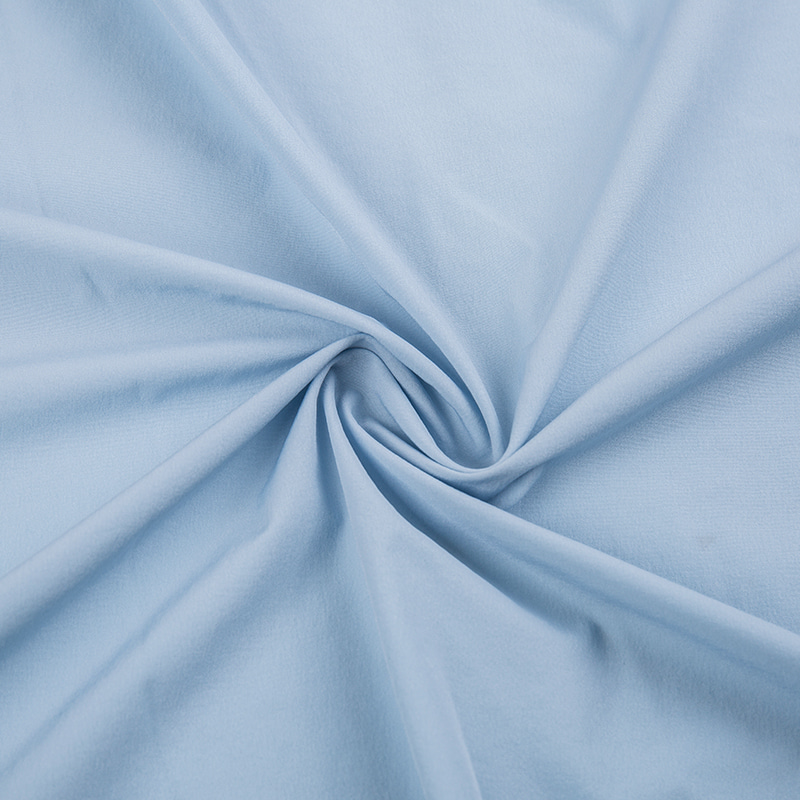
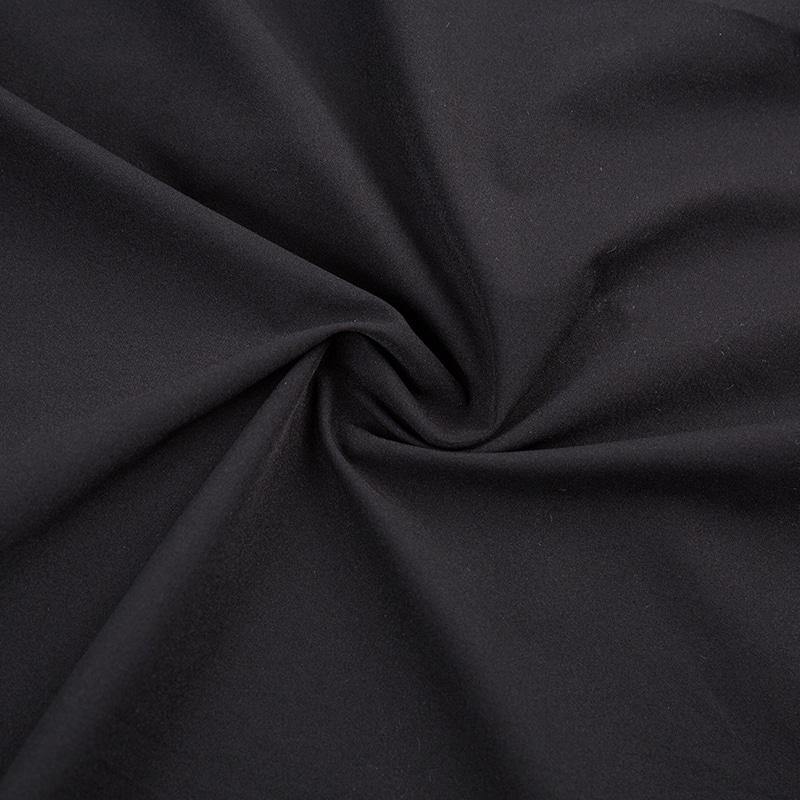
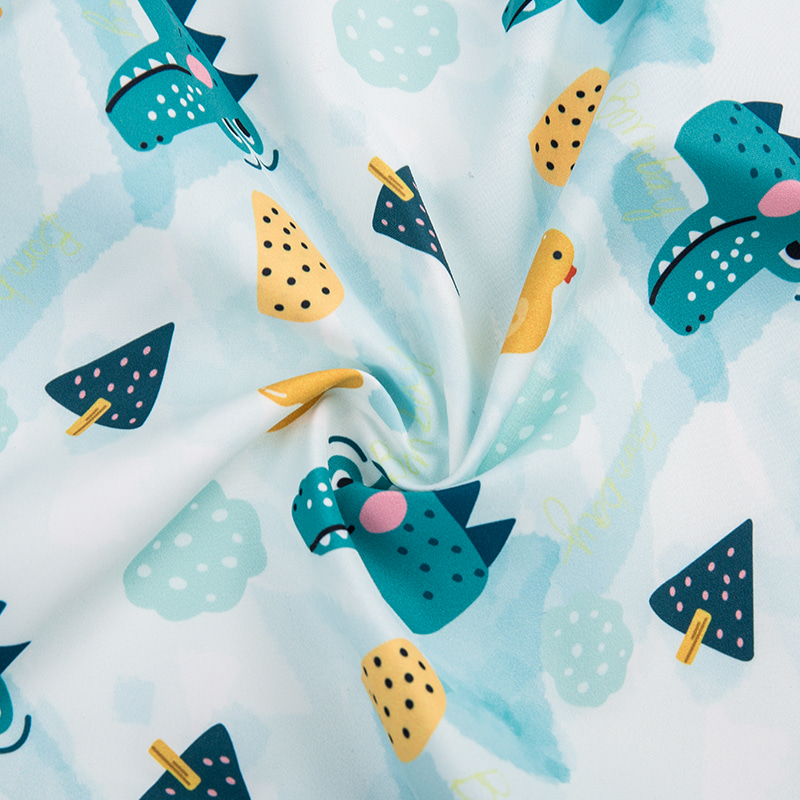
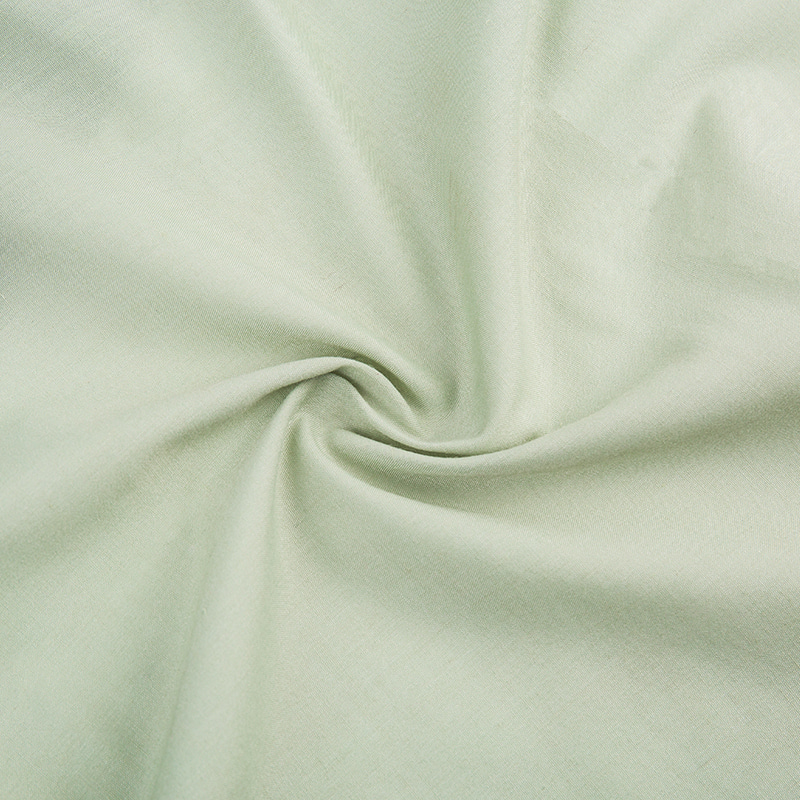
What defines a truly high-performance textile in applications that demand flexibility, comfort, and durability? As industries evolve toward functional materials, the demand for advanced textiles continues to grow. Among these, four way stretch elastic fabrics have become a preferred solution due to their ability to stretch in multiple directions while maintaining structural integrity.
For buyers, selecting the right material requires a clear understanding of key features, performance indicators, and application-specific considerations.
Four way stretch fabrics are engineered textiles that can extend both horizontally and vertically. This dual-direction elasticity allows the material to conform closely to shapes, providing enhanced flexibility compared to two-way stretch alternatives.
The elasticity is typically achieved through the integration of elastic fibers such as spandex or elastane blended with base fibers like polyester, nylon, or cotton. The result is a fabric that balances stretch, recovery, and durability.
| Feature | Description | Practical Benefit |
|---|---|---|
| Multi-direction stretch | Expands in both warp and weft directions | Enhanced freedom of movement |
| Shape retention | Returns to original form after stretching | Long-term usability |
| Lightweight structure | Maintains flexibility without bulk | Improved comfort |
| Adaptability | Suitable for various applications | Broad usability across industries |
The increasing emphasis on performance, comfort, and efficiency has positioned four way stretch elastic fabrics as a critical material in multiple sectors.
These characteristics make them suitable for applications ranging from apparel to industrial uses.
Selecting the right fabric involves more than identifying elasticity. Buyers should assess multiple technical and functional properties.
Elasticity determines how far a fabric can stretch, while recovery refers to its ability to return to its original shape.
A high-quality fabric should demonstrate:
Material composition directly influences performance, durability, and comfort.
| Fiber Type | Properties | Suitable Applications |
|---|---|---|
| Polyester | Durable, moisture-resistant | Sportswear, outdoor textiles |
| Nylon | Strong, smooth texture | Compression garments |
| Cotton blends | Soft, breathable | Casual and comfort wear |
| Elastane | High elasticity | Core stretch component |
Understanding the blend ratio is essential when sourcing from four way stretch elastic fabrics manufacturers.
Breathability affects how well the fabric allows air circulation, while moisture management determines how effectively it handles perspiration.
Important considerations include:
These features are particularly important in active or high-temperature environments.
Durability ensures the fabric can withstand repeated use without degradation.
Key indicators:
A durable fabric reduces replacement frequency and overall lifecycle cost.
Fabric weight impacts comfort, flexibility, and application suitability.
| Weight Category | Characteristics | Typical Use Cases |
|---|---|---|
| Lightweight | Thin, flexible | Activewear, base layers |
| Medium weight | Balanced strength and comfort | Everyday apparel |
| Heavyweight | Strong, structured | Industrial or protective use |
Buyers should align weight with intended application requirements.
The texture influences both aesthetic appeal and functional performance.
Common finishes include:
The choice depends on the balance between comfort and functionality.
Understanding how fabrics are produced helps buyers evaluate consistency and quality.
Most four way stretch elastic fabrics are produced using knitting techniques, which allow greater elasticity compared to woven structures.
| Method | Advantages | Limitations |
|---|---|---|
| Knitting | High stretch, flexibility | Slightly less structural rigidity |
| Weaving | Stable structure | Limited stretch capability |
Reliable four way stretch elastic fabrics manufacturers typically focus on:
Buyers should prioritize suppliers with clear quality assurance processes.
Different applications require different fabric properties. Selecting the right material depends on understanding the end use.
For clothing, comfort and flexibility are primary concerns.
Preferred features:
Performance fabrics require enhanced functionality.
Preferred features:
In technical environments, durability and resistance become critical.
Preferred features:
| Feature | Low-Quality Fabric | Mid-Range Fabric | High-Performance Fabric |
|---|---|---|---|
| Elasticity | Limited | Moderate | High |
| Recovery | Poor | Acceptable | Excellent |
| Durability | Low | Medium | High |
| Breathability | Basic | Good | Advanced |
| Application Range | Narrow | Moderate | Broad |
Even experienced buyers can overlook important factors. Avoid the following pitfalls:
A structured evaluation process helps prevent these issues.
The textile industry continues to evolve, influencing how fabrics are designed and produced.
Modern fabrics increasingly incorporate:
There is a growing shift toward:
Buyers are seeking more tailored solutions from four way stretch elastic fabrics manufacturers, including:
Choosing the right supplier is as important as selecting the right fabric.
Selecting the right four way stretch elastic fabrics requires a balanced evaluation of elasticity, durability, breathability, and application suitability. Buyers should look beyond surface-level characteristics and focus on long-term performance and reliability.
By understanding core features and aligning them with specific needs, decision-makers can ensure material selection. Collaboration with experienced four way stretch elastic fabrics manufacturers further enhances the ability to achieve consistent and high-quality outcomes.
1. What makes four way stretch fabrics different from two-way stretch fabrics?
Four way stretch fabrics extend in both horizontal and vertical directions, while two-way stretch fabrics only stretch in one direction. This provides greater flexibility and comfort.
2. How can I test the quality of a stretch fabric?
You can evaluate elasticity, recovery, and durability by stretching the fabric and observing how quickly and completely it returns to its original shape.
3. Are four way stretch fabrics suitable for all applications?
They are versatile but not universal. Selection depends on factors such as durability requirements, breathability, and intended use.
4. What is the important feature to consider when buying?
Elasticity and recovery are critical, as they directly affect performance and longevity.
5. How do I choose reliable four way stretch elastic fabrics manufacturers?
Focus on consistency, quality control processes, customization capabilities, and clear communication when evaluating suppliers.
Recommended Products

Canxing Textile Building, No.458Dongxin Road, Shengze Town, Wujiang District, Suzhou City, Jiangsu Province, China

+86-18816291909

+86-512-63620515

Crystal@canxingtex.com

Copyright © Wujiang Canxing Textile Co,.Ltd. Rights Reserved. Custom Elastic Woven Fabrics Manufacturers
Privacy 苏公网安备32050902101422



 English
 русский
 中文简体
中文简体 عربى
عربى