Activewear Spandex Fabric: Technical Guide for Stretch, Recovery, and Performance
 Home / News / Industry news / Activewear Spandex Fabric: Technical Guide for Stretch, Recovery, and Performance
  2026.09.25
 Industry news
Activewear spandex fabric is not a single material. It is a carefully engineered textile system that combines elastic fibers with nylon, polyester, or other yarns to deliver stretch, recovery, moisture management, and long-term shape retention. For leggings, sports bras, cycling shorts, swimwear, and compression garments, the difference between a fabric that performs and one that fails often comes down to fiber choice, knit structure, finishing, and testing discipline.
Buyers and product developers who understand these variables can specify fabrics that survive repeated wear, washing, and intense movement without bagging, shining, or losing compression. This guide explains the technical foundations of activewear spandex fabric, the specifications that matter, and the practical ways to evaluate quality before production.
Activewear spandex fabric is a stretch textile designed for garments that move with the body. It typically contains elastane, also called spandex, blended with a primary yarn such as nylon or polyester. The elastane provides elasticity and recovery, while the primary yarn contributes strength, hand feel, colorfastness, and moisture behavior. The result is a fabric that can expand during motion and return to its original shape without permanent distortion.
Most activewear spandex fabrics fall within a practical elastane range of 5 to 25 percent. Lower percentages may be enough for light stretch in tops or relaxed shorts. Higher percentages support compression, high-extension movements, and garments that must hold the body securely. The primary yarn is usually nylon or polyester, though blends with other fibers can appear for specific hand feel or cost targets.
A basic knit may stretch, but it may not recover. Activewear spandex fabric is engineered for repeated extension and return. That recovery depends on elastane quality, yarn tension, knit density, and finishing. Without balanced recovery, a garment can bag at the knees, elbows, or seat, or it can feel tight during wear and loose after washing. The best activewear fabrics maintain a consistent fit across many use cycles.
Spandex content is only one part of the performance equation. The type of elastic fiber, the primary yarn, and the way they are combined determine how the fabric feels, how much it stretches, and how well it survives chlorine, perspiration, heat, and abrasion. A fabric with high elastane content can still fail if the knit structure is unstable or the finishing process damages the elastic yarn.
| Factor | Effect on Activewear | Practical Range |
| Elastane content | Stretch, compression, recovery | 5 to 25 percent |
| Primary yarn | Hand feel, durability, moisture behavior | Nylon or polyester |
| Yarn denier | Softness, opacity, strength | 30D to 150D |
| Fabric weight | Coverage, support, warmth | 180 to 320 GSM |
| Stretch direction | Fit and freedom of movement | 2-way or 4-way |
Nylon spandex and polyester spandex serve different product goals. Nylon is generally softer, has excellent tensile strength, and can provide a smooth, cool hand feel. It is common in high-end leggings, yoga pants, and swimwear where comfort and appearance matter. Polyester is more resistant to UV degradation and chlorine in some constructions, holds color well, and often costs less. It is widely used in printed activewear, running tops, and outdoor training garments.
| Property | Nylon Spandex | Polyester Spandex |
| Hand feel | Soft, smooth, cool | Dry, crisp, durable |
| Strength | High | High |
| Chlorine resistance | Moderate | Better in many finishes |
| Colorfastness | Good | Excellent |
| Typical use | Leggings, bras, swim | Prints, tops, outdoor wear |
The choice should follow the end use, not a general preference. A swim garment has different chemical exposure than a yoga legging. A printed training top has different colorfastness demands than a black compression short. Matching fiber type to the wear environment prevents expensive returns and performance complaints.
 Nylon Four-way Stretch Fabric SuppliersWhat Do Buyers Need to Know Before Purchasing Four-Way Stretch Polyester Fabric? Industry news 2026-09-18 What Is Polyester Four-Way Stretch Fabric and Why Does It Mat...View Product →
 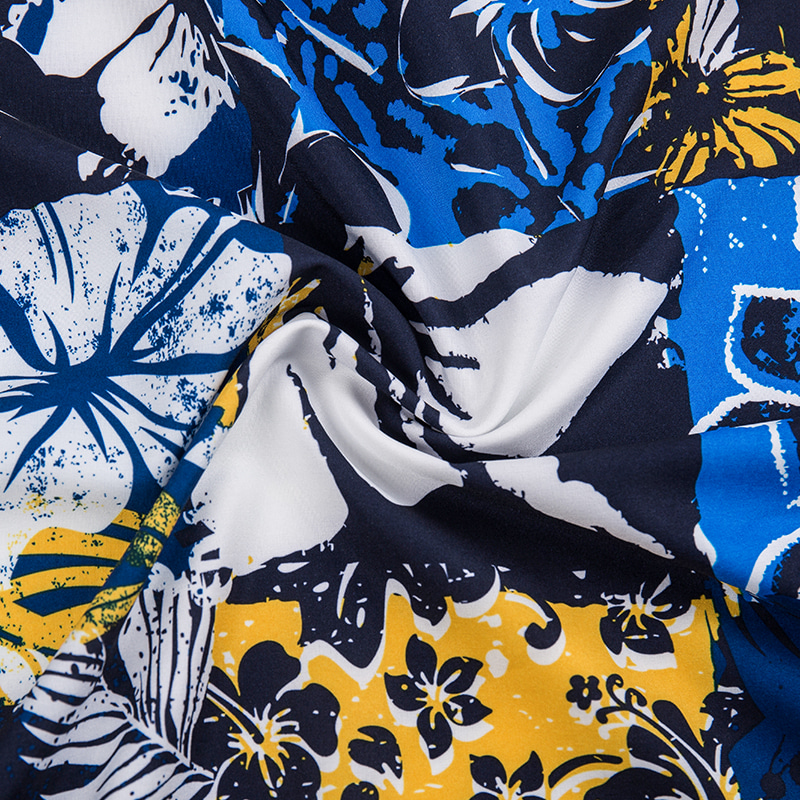 Polyester Four-Way Stretch Fabric SuppliersFour-way stretch fabric is a type of fabric that has elasticity in all directions, with its main components being spandex (also known as elastane or Lycra) and polyest...View Product →
Knit structure controls how the fabric moves, where it stretches, and how much support it provides. Activewear commonly uses circular knit, warp knit, tricot, rib, and power mesh constructions. Each structure creates a different balance of stretch, recovery, opacity, and compression.
Two-way stretch fabrics extend mainly along one axis, usually the crosswise direction. They can work for fitted tops, skirts, or paneled garments where movement is moderate. Four-way stretch fabrics extend in both length and width, which allows greater freedom of movement and better conformity to the body. Leggings, sports bras, cycling shorts, and compression wear usually require four-way stretch because the garment must move in multiple directions during activity.
Warp knit fabrics, including tricot and power net, are often used for compression, shaping, and support. They can be engineered with high modulus and excellent recovery. Circular knit fabrics are common in leggings, tops, and seamless garments because they offer softness, elasticity, and efficient production. The choice depends on the required support, opacity, and hand feel.
| Structure | Stretch Behavior | Common Activewear Use |
| Circular knit | Soft, flexible, often 4-way | Leggings, tops, seamless wear |
| Warp knit | Firm, controlled, high recovery | Compression, shaping, swim |
| Rib knit | High crosswise stretch | Waistbands, cuffs, trims |
| Power mesh | Supportive, breathable | Bra panels, ventilation zones |
Specification sheets can look similar while fabrics perform very differently. Buyers should compare measurable values rather than rely on generic descriptions. Important values include stretch percentage, recovery, modulus, growth, shrinkage, colorfastness, and pilling resistance.
| Specification | Typical Range | Why It Matters |
| Fabric weight | 180 to 320 GSM | Coverage, support, comfort |
| Stretch elongation | 80 to 200 percent | Freedom of movement |
| Recovery | 90 percent or higher | Shape retention after wear |
| Growth | Low, typically under 5 percent | Prevents bagging |
| Shrinkage | Under 5 percent after wash | Fit consistency |
| Colorfastness | Grade 4 or higher | Wash, light, perspiration resistance |
| Pilling resistance | Grade 4 or higher | Surface durability |
Practical note: A high stretch number without high recovery creates a garment that feels loose after a short time. Recovery and growth are often more important than maximum elongation for activewear spandex fabric.
Finishing turns a stretch fabric into a performance fabric. Moisture-wicking finishes help move perspiration away from the skin. Anti-odor treatments reduce microbial growth during repeated wear. UV protection supports outdoor training. Chlorine-resistant finishes extend swimwear life. Brushed and peached surfaces create softness, while calendering and lamination can add wind resistance or structure.
Sustainability is increasingly part of activewear fabric development. Recycled nylon and recycled polyester can reduce reliance on virgin raw materials. Bio-based elastane options are emerging, though performance must be verified against conventional elastic fibers. Solution dyeing can reduce water use compared with conventional dyeing. Low-temperature finishing and optimized washing processes can also lower energy and water consumption while protecting elastic fibers.
Quality evaluation should combine laboratory testing with realistic wear trials. A fabric may pass a basic stretch test yet fail in actual use because of heat, perspiration, chlorine, abrasion, or repeated laundering. Testing should match the final garment application and the customer care instructions.
| Test | Purpose | Target Direction |
| Stretch and recovery | Measures extension and return | High recovery, low growth |
| Colorfastness to washing | Checks color loss and staining | Grade 4 or higher |
| Colorfastness to perspiration | Simulates skin contact and sweat | Grade 4 or higher |
| Colorfastness to light | Tests fading under UV exposure | Grade 4 or higher |
| Pilling resistance | Evaluates surface wear | Grade 4 or higher |
| Dimensional stability | Measures shrinkage after wash | Under 5 percent |
Activewear spandex fabric sourcing requires more than a price comparison. Suppliers should demonstrate consistent raw material control, stable knitting and dyeing, reliable finishing, and documented testing. A fabric that performs well in a small sample may behave differently in bulk if yarn tension, heat setting, or dyeing conditions change.
For buyers developing repeat programs, it is useful to review a supplier's elastic fabric collection and production capability. The ability to produce sample yardage, pilot runs, and bulk orders under the same quality system reduces the risk of specification drift. Clear communication about stretch direction, weight tolerance, color approval, and care labeling also prevents late-stage problems.
Different activewear categories place different demands on spandex fabric. A single fabric cannot optimize every requirement, so designers should match weight, stretch, recovery, and finishing to the intended activity. The table below outlines common pairings.
| Application | Fabric Priority | Recommended Behavior |
| Yoga leggings | Softness, opacity, recovery | Four-way stretch, medium weight |
| Sports bras | Support, breathability, compression | Firm recovery, power mesh panels |
| Cycling shorts | Compression, durability, low friction | High modulus, smooth surface |
| Running tops | Moisture wicking, lightweight stretch | Polyester spandex, quick dry |
| Swimwear | Chlorine resistance, colorfastness | Nylon or polyester spandex, tight knit |
| Dancewear | Freedom, drape, shape retention | Four-way stretch, soft hand feel |
The activewear market continues to push for lighter, stronger, and more sustainable stretch fabrics. Recycled content, bio-based elastic fibers, and low-water dyeing are becoming more common. At the same time, consumers expect garments to keep their shape after many washes, which puts pressure on mills to improve recovery and reduce growth.
These trends do not replace the fundamentals. Stretch, recovery, durability, and comfort remain the core requirements for any activewear spandex fabric, regardless of how the fiber or finish is marketed.
Activewear spandex fabric is a stretch textile made by blending elastane with nylon, polyester, or another primary yarn. It is engineered to stretch with the body, recover its shape, and support movement during exercise, sports, and daily wear.
Neither is universally better. Nylon spandex usually feels softer and is common in premium leggings and swimwear. Polyester spandex often offers better colorfastness, UV resistance, and cost efficiency for printed tops and outdoor training wear. The best choice depends on the final garment use.
Most activewear spandex fabrics contain roughly 5 to 25 percent elastane. Light stretch tops may use less, while compression shorts, sports bras, and swimwear may use higher percentages for stronger support and recovery.
Check recovery and growth values after repeated extension. A quality fabric should return close to its original length and width with low growth. Wash testing, shrinkage testing, and stretch recovery testing together give a more reliable picture than a simple stretch percentage.
Transparency, often called grin-through, happens when the knit structure opens too far under extension. It can be reduced by increasing fabric weight, adjusting knit density, choosing the right yarn denier, or using a tighter construction for high-stretch areas.
Two-way stretch fabric extends mainly along one axis. Four-way stretch fabric extends in both length and width. Four-way stretch is usually preferred for leggings, sports bras, cycling shorts, and other garments that must follow complex body movement.
Activewear spandex fabric succeeds when fiber choice, knit structure, finishing, and testing work together. Elastane provides the stretch, but the primary yarn, fabric weight, recovery behavior, and finishing determine whether the garment feels comfortable and keeps its shape. By comparing measurable specifications and testing for real wear conditions, buyers can specify fabrics that perform in the gym, in the pool, and through repeated wash cycles.
The most reliable approach is to define the end use first, then select the spandex content, stretch direction, weight, and finishing that match that use. When suppliers provide transparent test data and consistent production, activewear programs can deliver better fit, longer garment life, and fewer performance complaints.
Recommended Products

Canxing Textile Building, No.458Dongxin Road, Shengze Town, Wujiang District, Suzhou City, Jiangsu Province, China

+86-18816291909

+86-512-63620515

Crystal@canxingtex.com

Copyright © Wujiang Canxing Textile Co,.Ltd. Rights Reserved. Custom Elastic Woven Fabrics Manufacturers
Privacy 苏公网安备32050902101422



 English
 русский
 中文简体
中文简体 عربى
عربى